La Derecha Diario logo
ESX logoInstagram logoYouTube logoTikTok logo
ARGENTINABOLIVIAECUADORISRAELMEXICOURUGUAY
  • ESXInstagramYouTubeTikTok
  • Secciones
  • ARGENTINA
  • BOLIVIA
  • ECUADOR
  • ISRAEL
  • MEXICO
  • URUGUAY
  • Países
  • La Derecha Diario logoLA DERECHA DIARIO
  • La Derecha Diario México logoLA DERECHA DIARIO MÉXICO
  • La Derecha Diario Uruguay logoLA DERECHA DIARIO URUGUAY
  • La Derecha Diario Ecuador logoLA DERECHA DIARIO ECUADOR
  • La Derecha Diario Bolívia logoLA DERECHA DIARIO BOLÍVIA
  • La Derechadiario República Dominicana logoLA DERECHADIARIO REPÚBLICA DOMINICANA
  • La Derecha Diario Israel logoLA DERECHA DIARIO ISRAEL
  • La Derecha Diario Estados Unidos logoLA DERECHA DIARIO ESTADOS UNIDOS
  • Temas
  • GUERRA EN IRÁN
  • El Diario
  • QUIENES SOMOS
  • AUTORES
  • PUBLICIDAD
  • DONAR

The US launched its offensive to free the Strait of Hormuz and guarantee the global flow of oil

The US launched its offensive to free the Strait of Hormuz and guarantee the global flow of oil
Washington deployed air and naval forces to neutralize the Iranian threat on one of the world's most important energy routes.
porEditorial Team
Argentina

Washington deployed air and naval forces to neutralize the Iranian threat on one of the world's most important energy routes.

Compartir:

The United States began a military offensive to regain control of the strategic Strait of Hormuz, blocked by actions of the Iranian regime.

About 20% of the world's oil circulates through this route, making it a critical point for the global economy.

The operation seeks to guarantee free navigation and prevent a collapse in the international energy supply.

Military deployment to neutralize threats

The operation includes a strong deployment of military capabilities:

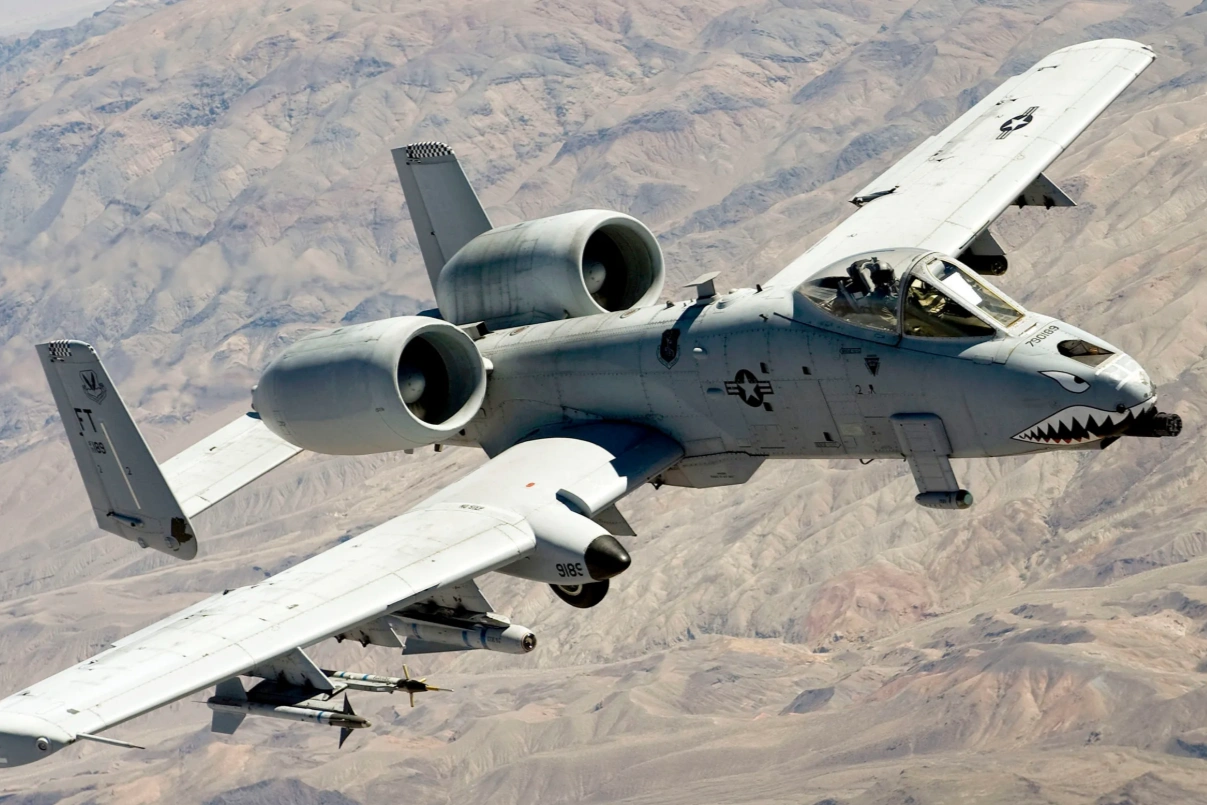
  • A-10 attack planes

  • ,
  • Apache helicopters

  • ,
  • marine units

  • ,
  • aerial surveillance systems

.

U.S. forces are focused on destroying Iranian speedboats, drones and missiles

used to attack commercial vessels.
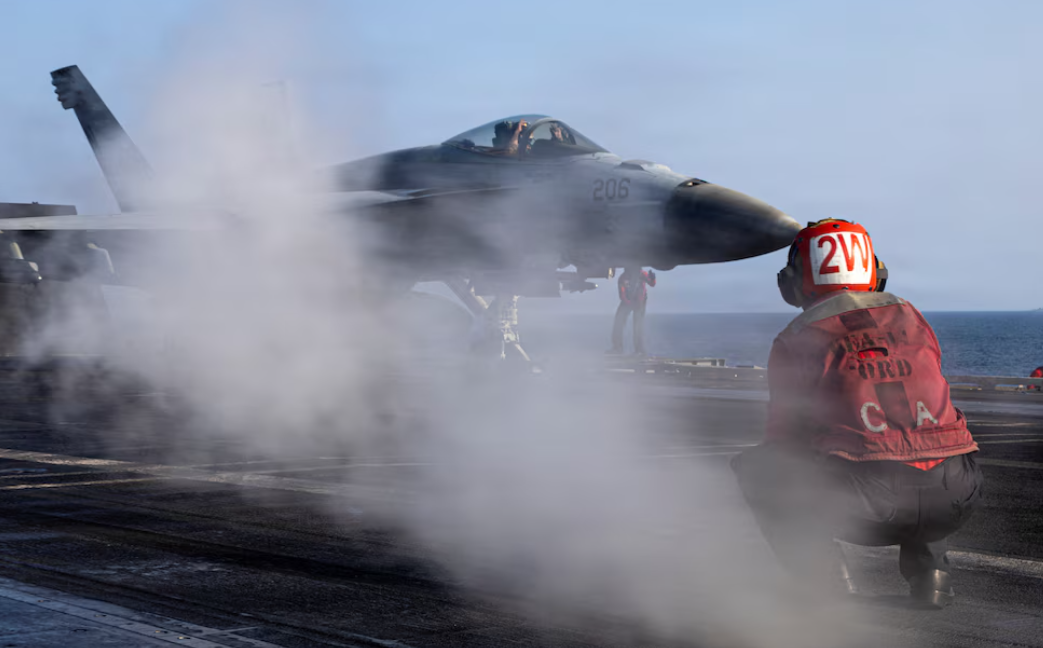
Imagen 1384546

Hits to Iranian military infrastructure According to military

reports, the attacks have already destroyed or damaged

more than 120 Iranian vessels.

The operations also include the neutralization of naval mines and cruise missiles deployed on the coast.

The goal is to reduce Iran's ability to block maritime passage and attack ships in transit.

A complex and protracted operation

Despite the military advance, experts warn that the Iranian threat remains significant

.

The regime maintains:

  • hundreds of boats hidden

  • mobile missiles on terrestrial platforms

  • fortified underground infrastructure

The geography of the strait, with just 39 kilometers at its narrowest point,

complicates operations.

Analysts estimate that achieving full control could take weeks.
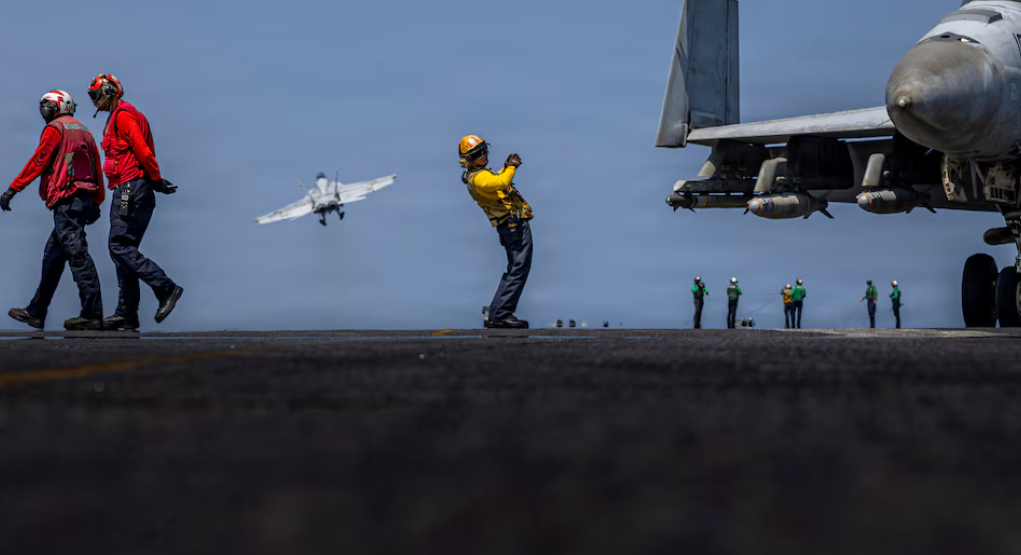
Imagen 1384547

Iran is betting on a war of attrition

The Iranian model combines direct attacks with attrition tactics, similar to those used by allied groups such as the

Houthis in Yemen.

The use of drones, missiles and unmanned vessels makes it difficult to completely eliminate their offensive capability.

This requires the United States to maintain a sustained military presence in the area.

Global impact on the price of oil

The conflict has already had direct consequences on energy markets

.

The price of Brent surpassed $100 per barrel, with peaks close to $119.

This volatility impacts on:

  • global inflation

  • transport costs

  • oil-dependent economies Risk of

greater Iranian control over trade The Iranian

Parliament is considering imposing tolls on ships that cross the

strait.

If implemented, this measure could increase Tehran's influence on international trade and create dependence on its conditions.

Experts warn of a possible “forced interdependence” in energy supply.
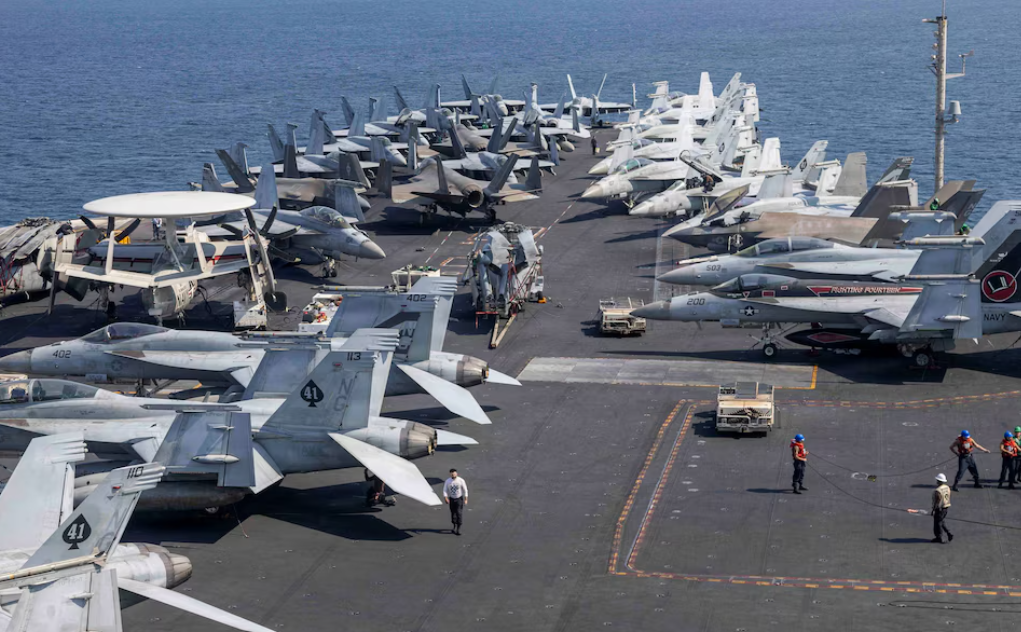
Imagen 1384548

Trump is betting on unconditional action

President Donald Trump made it clear that the United States will move forward even without the

support of its allies.

The offensive reflects a strategy of unilateral leadership to ensure the stability of global trade.

Washington seeks to demonstrate that it has the capacity to secure critical routes without relying on international coalitions.

A key point for global balance The

control of the Strait of Hormuz is one of the main factors that define global economic and geopolitical stability

.

The US operation marks an attempt to restore balance in the face of the Iranian threat.

However, the scenario remains volatile and at risk of escalation.

Noticias relacionadas

Israel killed the spokesman of the Iranian Revolutionary Guard and deepens its offensive against the top of the regime

Israel killed the spokesman of the Iranian Revolutionary Guard and deepens its offensive against the top of the regime

Based: Putin sends a psychologist to women who don't want to have children

Based: Putin sends a psychologist to women who don't want to have children

Inflation is not going down: it has already been defeated

Inflation is not going down: it has already been defeated

The US accused managers linked to an AI company for smuggling chips to China

The US accused managers linked to an AI company for smuggling chips to China

The Pentagon warns of risks at Anthropic by Chinese employees

The Pentagon warns of risks at Anthropic by Chinese employees

Córdoba: what are the main lines of research after the girl's appearance in Cosquín

Córdoba: what are the main lines of research after the girl's appearance in Cosquín

La Derecha Diario logo
TwitterInstagramYouTubeTikTok

Nosotros

  • Quienes Somos
  • Autores
  • Donar

Privacidad

  • Protección de datos
  • Canales
  • Sitemap

Contacto

  • info@derechadiario.com.ar
PUBLICIDAD