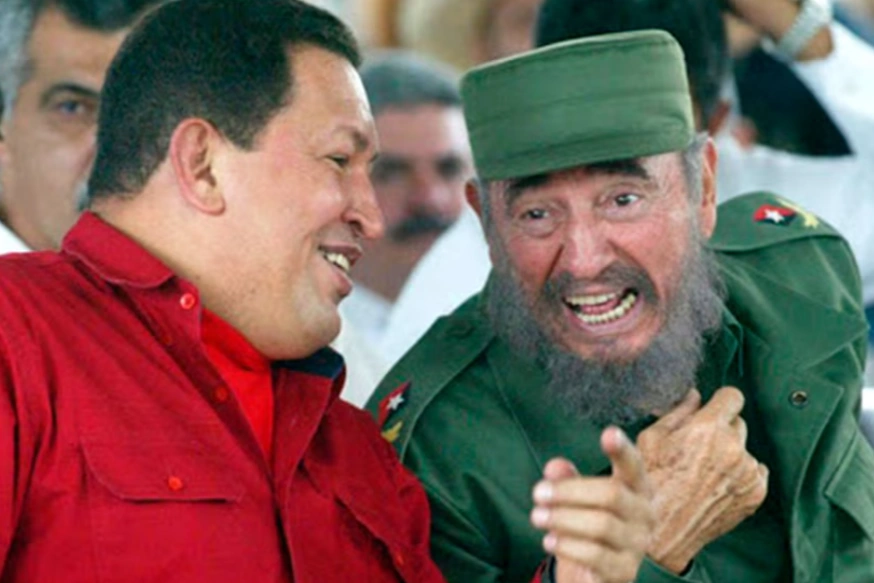
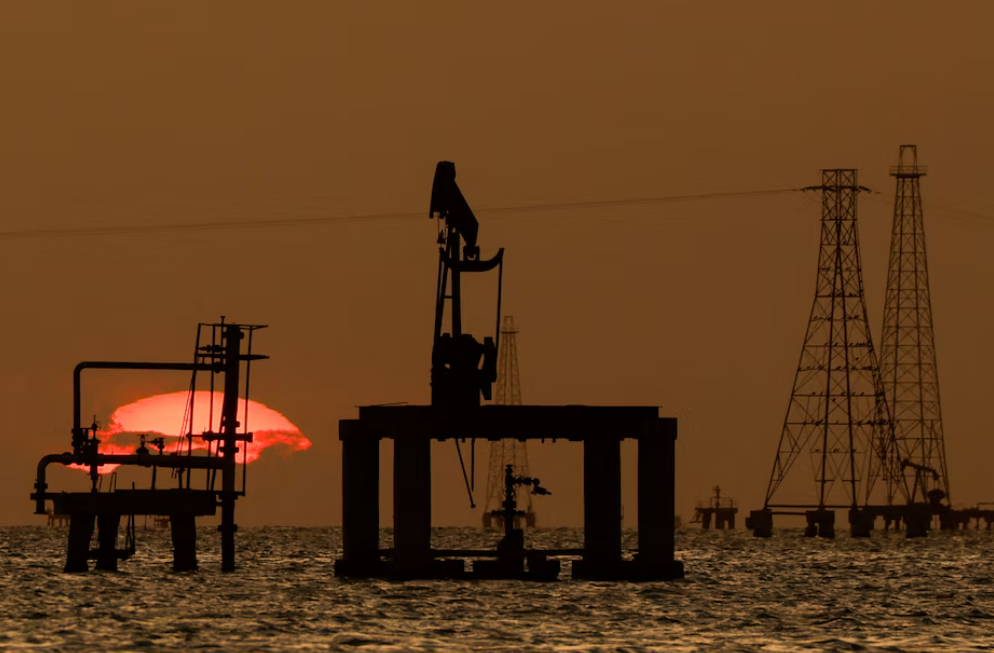
A report by the Miranda Center for Democracy concluded that the regime of Hugo Chávez and then that of Nicolás Maduro sent to Cuba the equivalent of $63.8 billion in oil since 2000.
According to the report, this flow of resources was neither free nor supportive, but rather part of an exchange: crude in exchange for advice on intelligence, counterintelligence and internal control.
The key role of Cuba in the Venezuelan repressive apparatus
The report argues that the Cuban regime provided training and structure to develop one of the most sophisticated systems of repression
in the region.
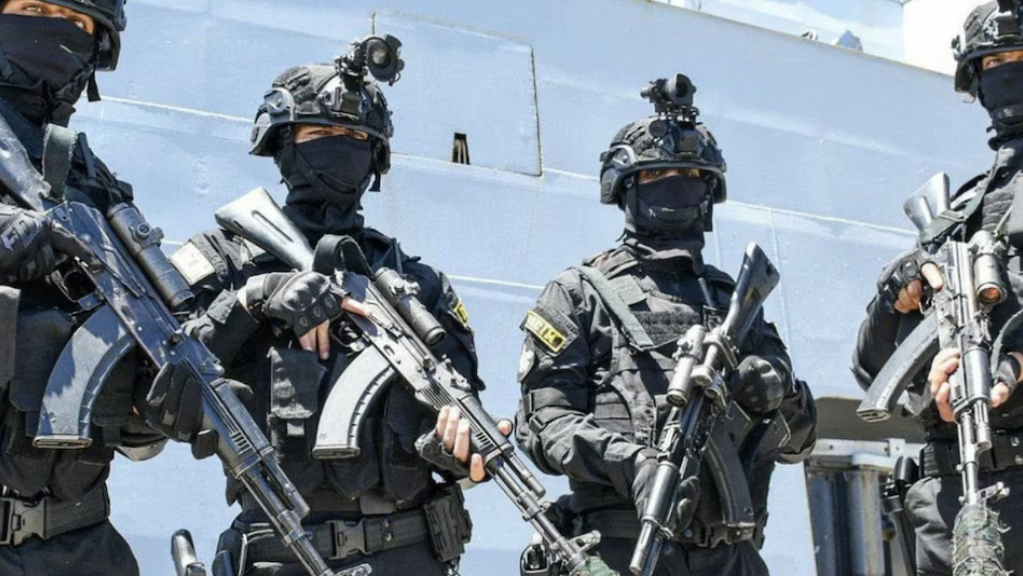
Testimonies collected by the United Nations indicate that Cuban agents participated in tasks of: surveillance and persecution of
opponents, interrogations and
arrests
,
internal intelligence operations
.
Since 2014, more than 20,000 people have been arrested by security structures linked to
this scheme.
Oil as a payment currency
During its peak, between 2008 and 2012, Venezuela sent up to 105,000 barrels of
oil a day to Cuba.
The agreement included a “payment through services” clause, which formally included doctors, teachers and technical assistance.
However, the report notes that intelligence advisors also operated under this scheme without independent controls or audits.
The redesign of the Venezuelan intelligence system
The document highlights that, starting in 2008, Chavism completely reformulated
its security structure.
Among the most important changes:
transformation of DISIP into SEBIN
,
creation of the DGCIM, implementation of
structures such as ZODI and REDI
.
These institutions would have been designed under the direct influence of the Cuban model, especially the
G2 intelligence system.
GRUCE: the turning point One of
the key milestones was the creation of the Coordination and Liaison Group (GRUCE) after the electoral defeat of
Chávez in 2007.
This body allowed Cuban advisors to penetrate sensitive areas of the Venezuelan State, consolidating a system oriented to internal control.
The objective, according to the report, was to prioritize the survival of the regime over citizen security.
Internal repression and migratory crisis
The implemented model led to an increase in political repression and a humanitarian crisis that fueled the mass migration of Venezuelans
.
Millions of people left the country in the midst of profound economic and social deterioration, while oil shipments to Cuba continued.
An enormous economic and political cost
The report highlights that the resources allocated to this scheme could have been used to rebuild key infrastructure
in Venezuela.
The amount transferred is equivalent to several times the investment needed to recover the country's electricity system.
For the authors of the report, it was not negligence but rather a deliberate political decision.
The collapse of the model and the fall of Maduro
On January 3, 2026, a U.S. operation captured Nicolás Maduro
.
According to the report, his circle of protection was comprised of Cuban agents, which evidences the regime's level of dependence on Havana.
A legacy that still persists
Despite the partial departure of Cuban advisors, the report warns that repressive structures are still active within the Venezuelan State
.
Figures such as Gustavo González López, Diosdado Cabello and Alexander Granko are still linked to these devices.
The document concludes that the legacy of this system still represents a threat to institutions and rights in Venezuela.