Islamic groups have carried out a series of attacks in recent days against Nigeria's Christian population, kidnapping more than 200 children
Nuevo
Agregar La Derecha Diario en
Compartir:
Nigeria faces a new wave of violence following a series of simultaneous attacks on churches and schools that have left several dead and more than 200 minors affected through kidnappings, disappearances, and dangerous situations.
The events, attributed to armed gangs and Islamist insurgents, have deepened the security crisis in the country and forced President Bola Tinubu to suspend his official trips to address the emergency.
On Tuesday night, armed men stormed a church in Eruku, Kwara State, during a service broadcast online. The police confirmed two fatalities, while witnesses reported at least three worshippers killed.
After opening fire, the strikers kidnapped the pastor and dozens of attendees, taking them to a wooded area. According to local authorities, about 38 people were reportedly abducted, including minors. Regional media reported that the captors have already demanded a ransom, even though payment is prohibited in Nigeria.
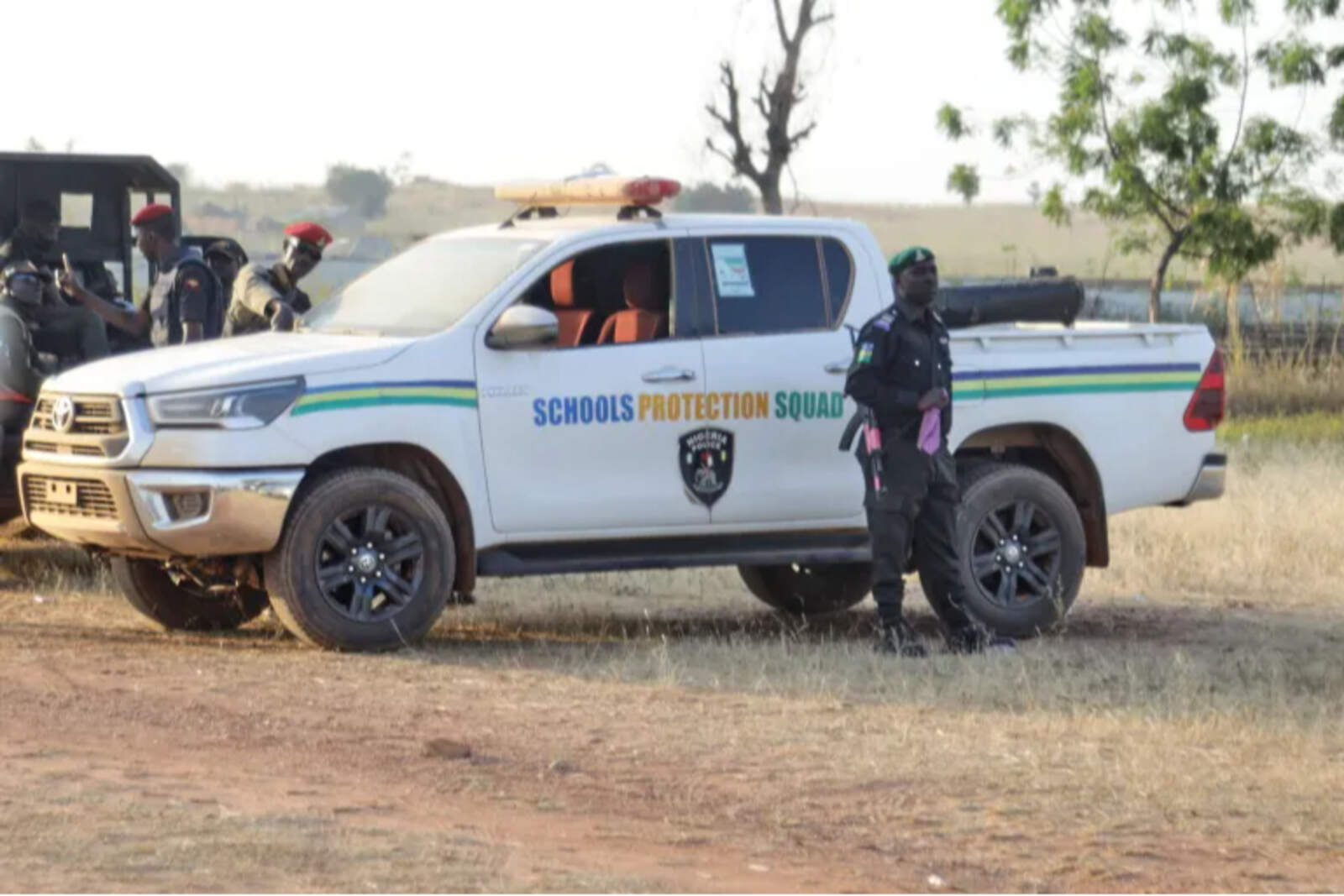
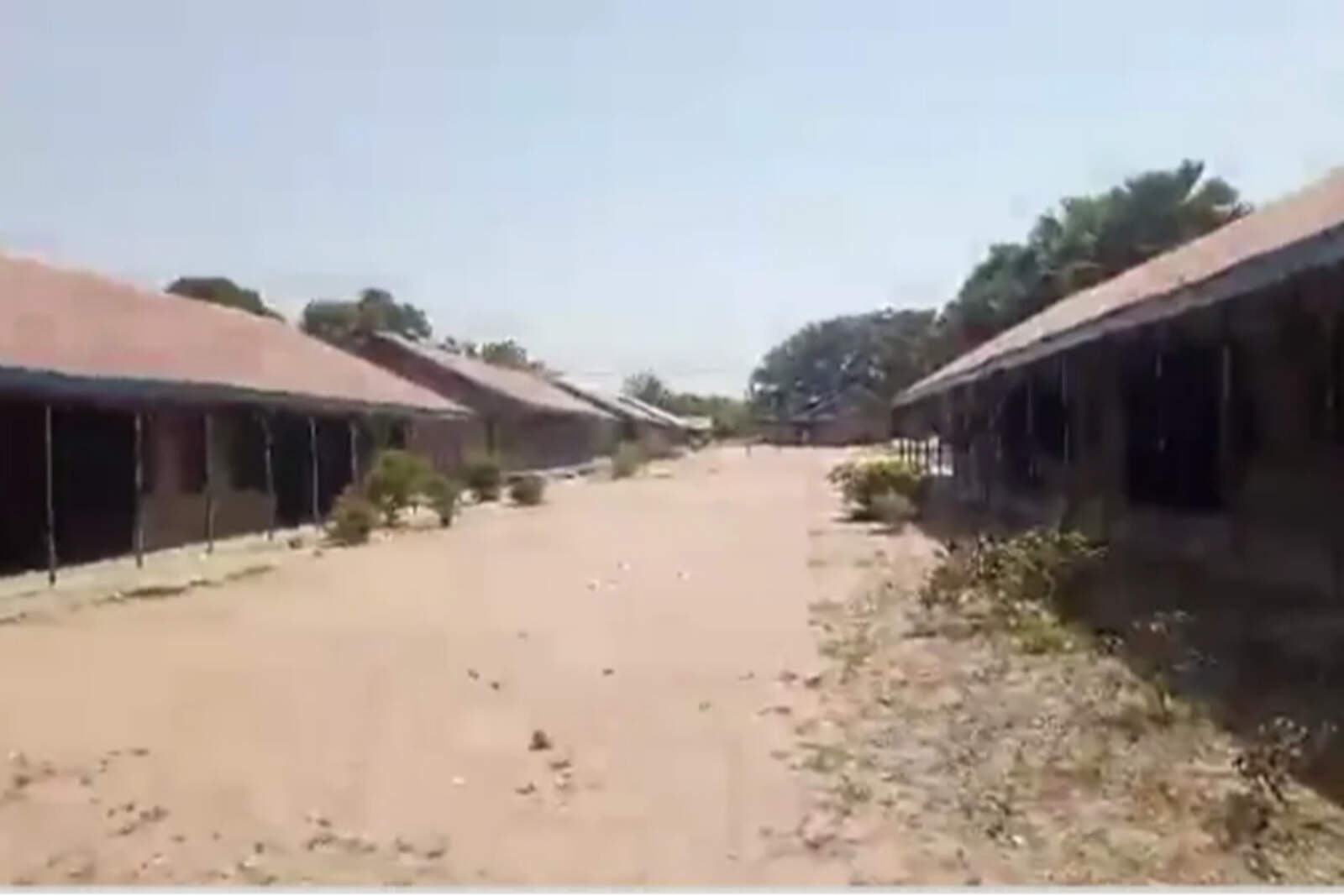
Almost at the same time, another attack shook the central region of the country. An armed commando entered St. Mary’s School, a Catholic boarding school in Papiri, Niger State, at dawn, which had ignored a state order to close due to increased threats.
The strikers took away an as yet unconfirmed number of students and staff; neighbors fear that nearly 100 people have been kidnapped. Among the testimonies, desperate relatives described scenes of panic and denounced the lack of protection despite previous warnings.
These incidents add to the kidnapping that occurred days earlier in Kebbi, where more than 20 girls were abducted by armed gangs, with only two managing to escape.
La escuela St Mary´s fue víctima de un ataque islámico en el cual se secuestraron más de 100 menores de edad
The total number of minors affected during the week thus exceeds 200, which has intensified public outrage and accelerated criticism against the Islamist armed groups, accused of operating with increasing brutality and resorting to mass kidnapping as a mechanism for financing and territorial control.
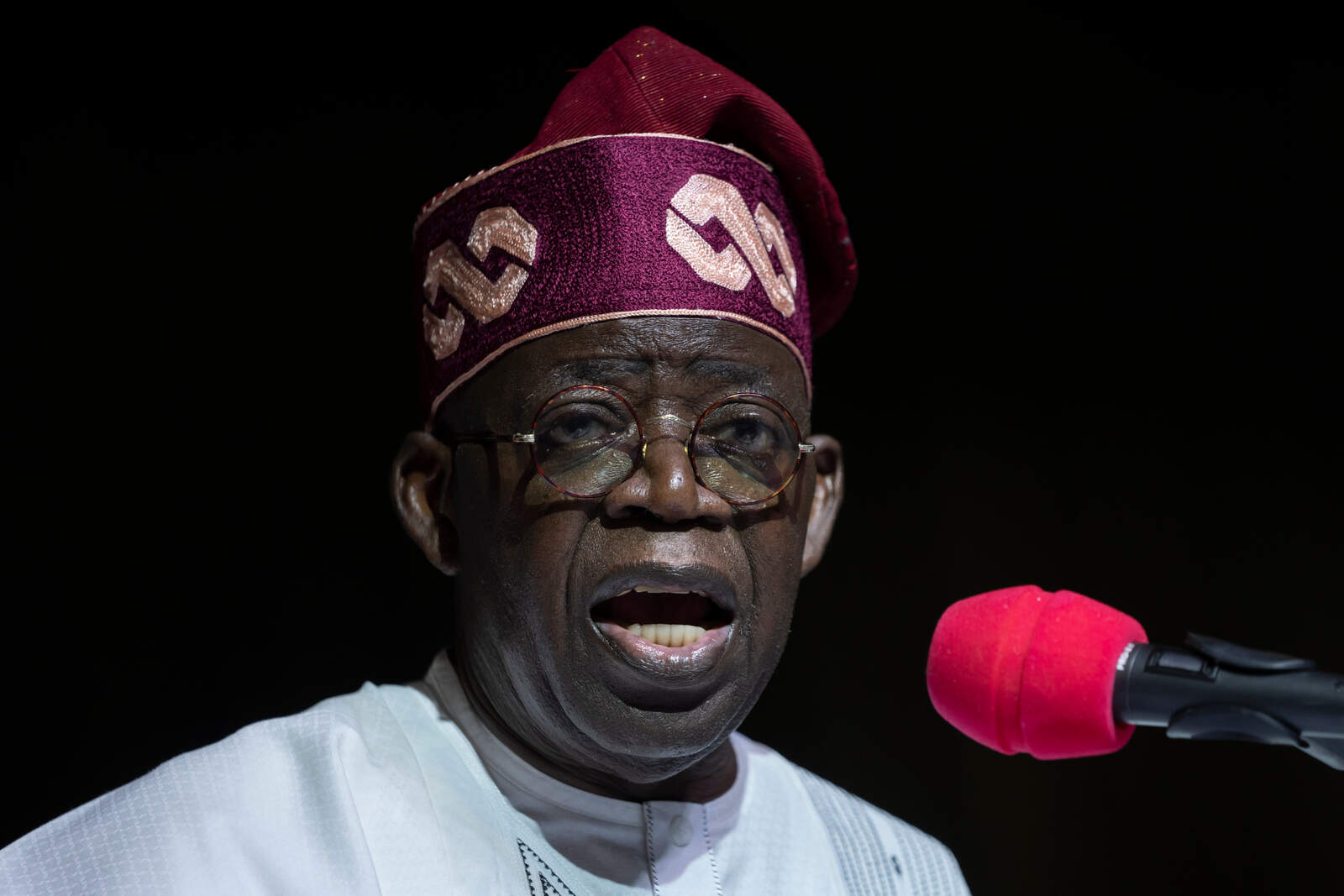
The federal government's response was immediate. President Tinubu postponed his participation in the G20 summit in South Africa and in the AU-EU in Angola to receive security reports and coordinate rescue operations.
His office confirmed that he has instructed all agencies to "do everything possible" to recover the students and worshippers. Vice President Kashim Shettima traveled to Kebbi to meet with families of the kidnapped girls.
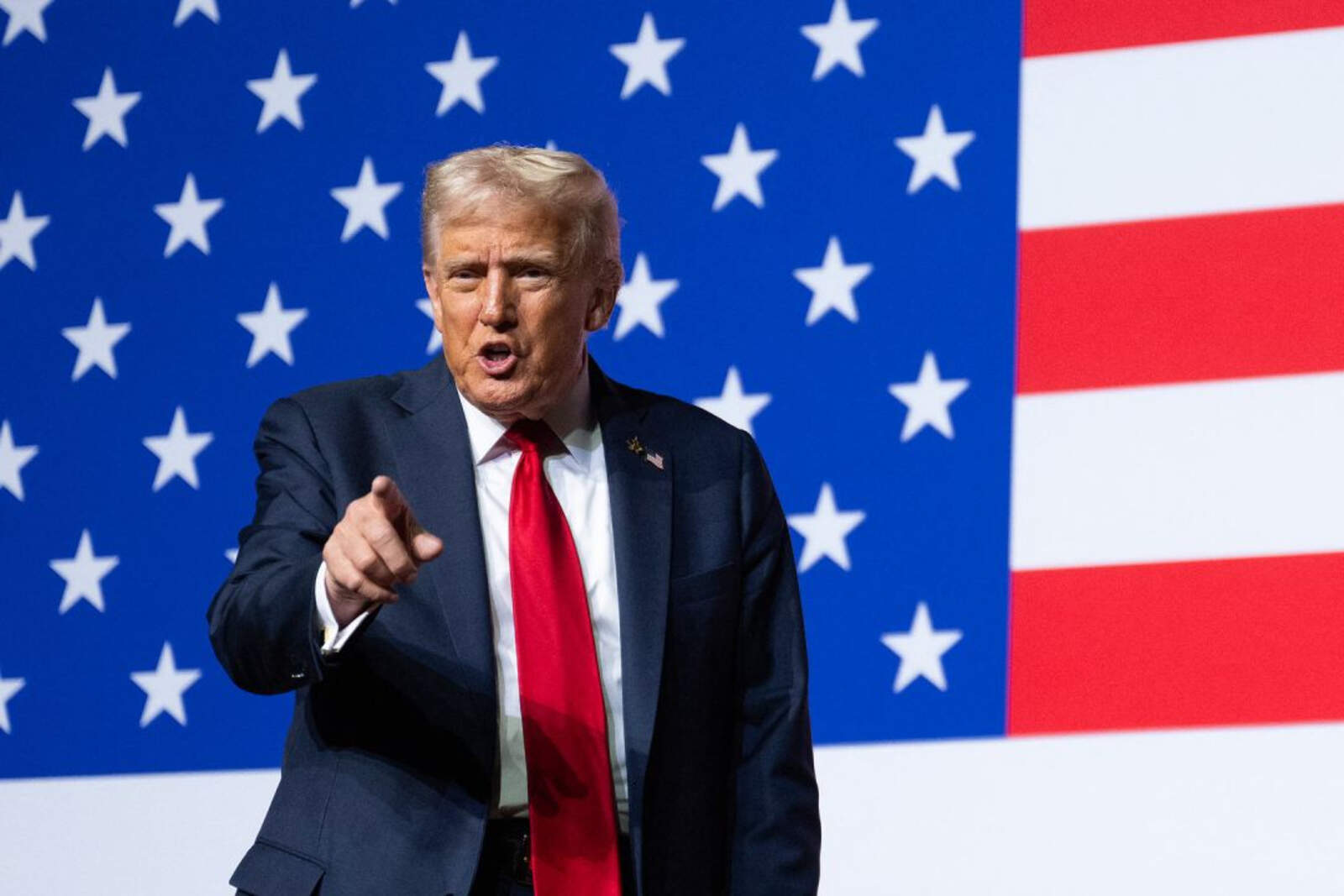
The attacks have reignited the international debate on the situation in Nigeria. United States President Donald Trumprecently accused the country of allowing the persecution of Christians and warned that he would deploy troops if the violence continues, statements rejected by the Nigerian government.
Donald Trump advirtió que si no cesa la persecución a cristianos, podría desplegar tropas en Nigeria
Abuja maintained that extremist groups attack Muslims, Christians, and non-religious people indiscriminately, and that the violence scenario is extremely complex.
Nigeria has faced multiple overlapping security crises for more than a decade: Islamist insurgency in the northeast, clashes between Muslim herders and Christian farmers in the central region, and the growth of Islamic criminal gangs dedicated to kidnapping in the northwest.
Analysts agree that the expansion of these groups, combined with structural failures in national security, has allowed the attacks to increase both in frequency and ferocity.
In Kwara, Niger, and Kebbi, fear dominates the streets. Closed schools, churches reinforcing their security measures, and families waiting for news without answers reflect a country battered by violence and uncertainty.
El presidente de Nigeria no ha prestado gran colaboración a frenar estos ataques