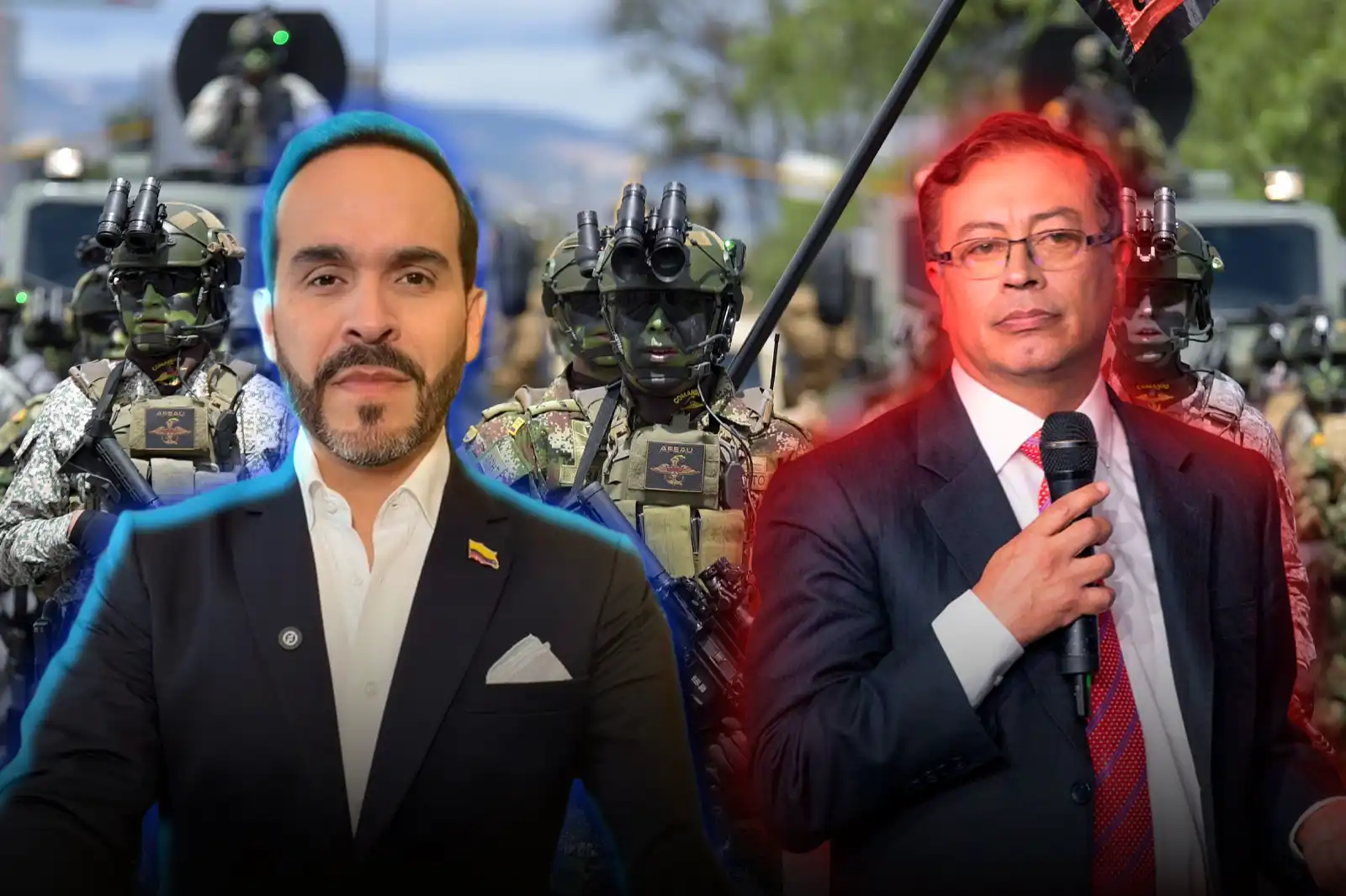
In this context, he announced the suspension of the political transition with the Executive, although he clarified that he will continue to receive the necessary information through the legal and administrative mechanisms provided for the transfer of government.
The elected president also requested the international community to remain attentive to the Colombian political situation. He stated that foreign organizations and governments should closely monitor the development of the presidential transition until the new government takes office, scheduled for August 7.
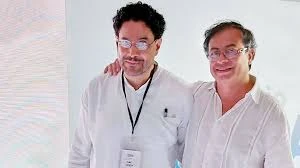
The communists Iván Cepeda and Gustavo Petro
The institutional crisis intensified after Gustavo Petro publicly questioned the results of the elections held on June 21 and raised doubts about the electoral process. The outgoing government also announced the suspension of the transition meetings, arguing the existence of differences with the elected president's team regarding the development of the transition.
De la Espriella's statements deepen the climate of political tension that Colombia is experiencing just weeks before the change of government. While the exchanges between both administrations continue, the transition process remains under strong public and international scrutiny, in a scenario marked by cross questioning and calls to preserve constitutional order during the transfer of power.
The elected president of Colombia, Abelardo De la Espriella, made a public call to the Armed Forces not to obey any order from President Gustavo Petro that, in his opinion, is contrary to the Constitution and democratic order. The statement came amid the political crisis triggered by the suspension of the transition process between the outgoing government and the incoming administration, scheduled to take office on August 7.
In a message shared through his social media, De la Espriella stated that members of the Armed Forces must remain faithful to the oath taken when assuming their duties. "I ask, as the elected president, the Armed Forces of the Republic of Colombia to fulfill their oath to protect the Constitution and democracy, and not to obey any order that Petro is giving in the opposite direction", expressed the elected leader.
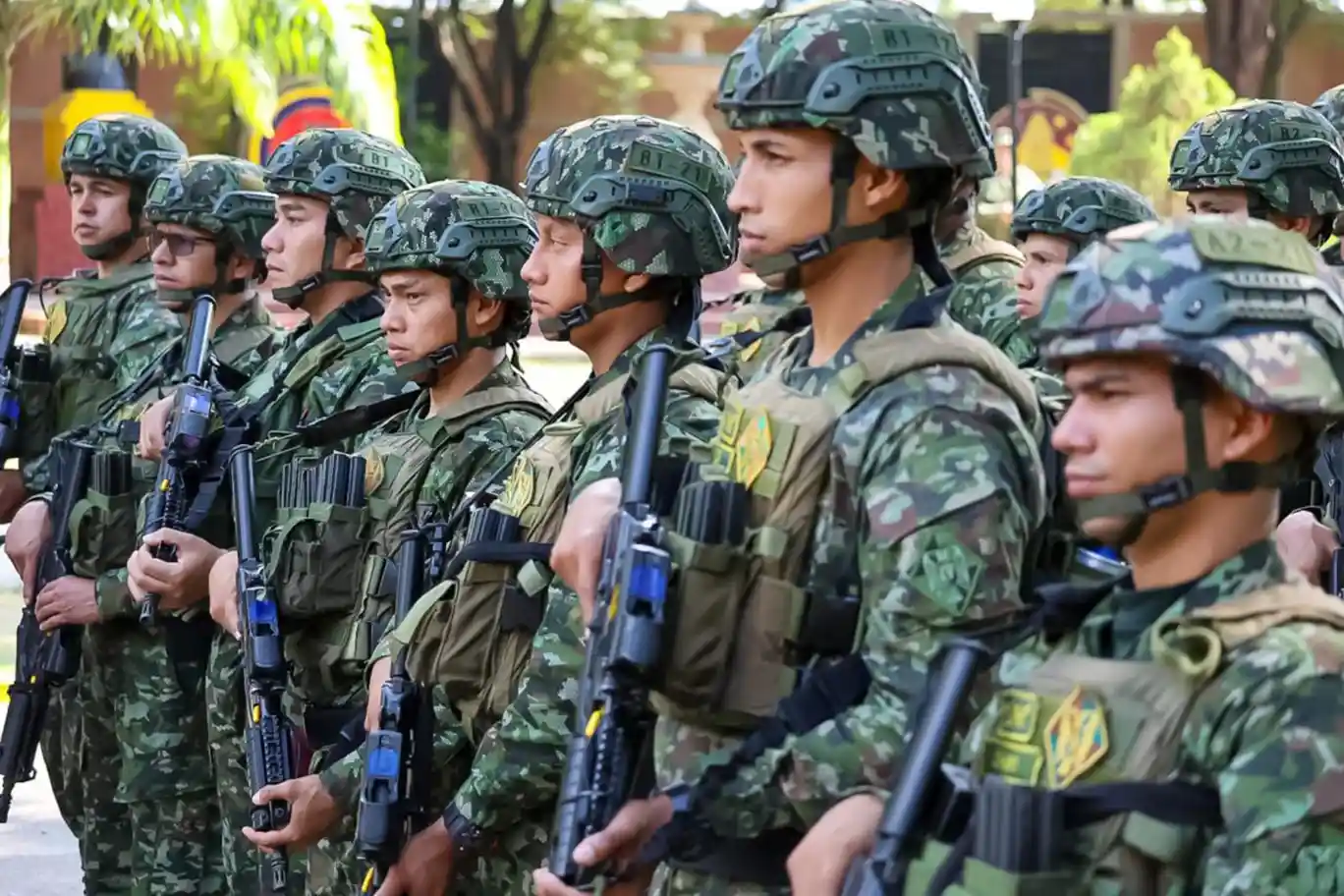
Soldiers of the Colombian army
The statements were accompanied by new accusations against President Gustavo Petro. De la Espriella claimed that the outgoing president is trying to disregard the results of the presidential elections and denounced the existence of a supposed attempt to alter the institutional transition process.