Just days before the second round of elections in Ecuador, doubts about the transparency of the process are intensifying. Although the National Electoral Council (CNE) defends the security of the system, experts warn about concerning institutional gaps.
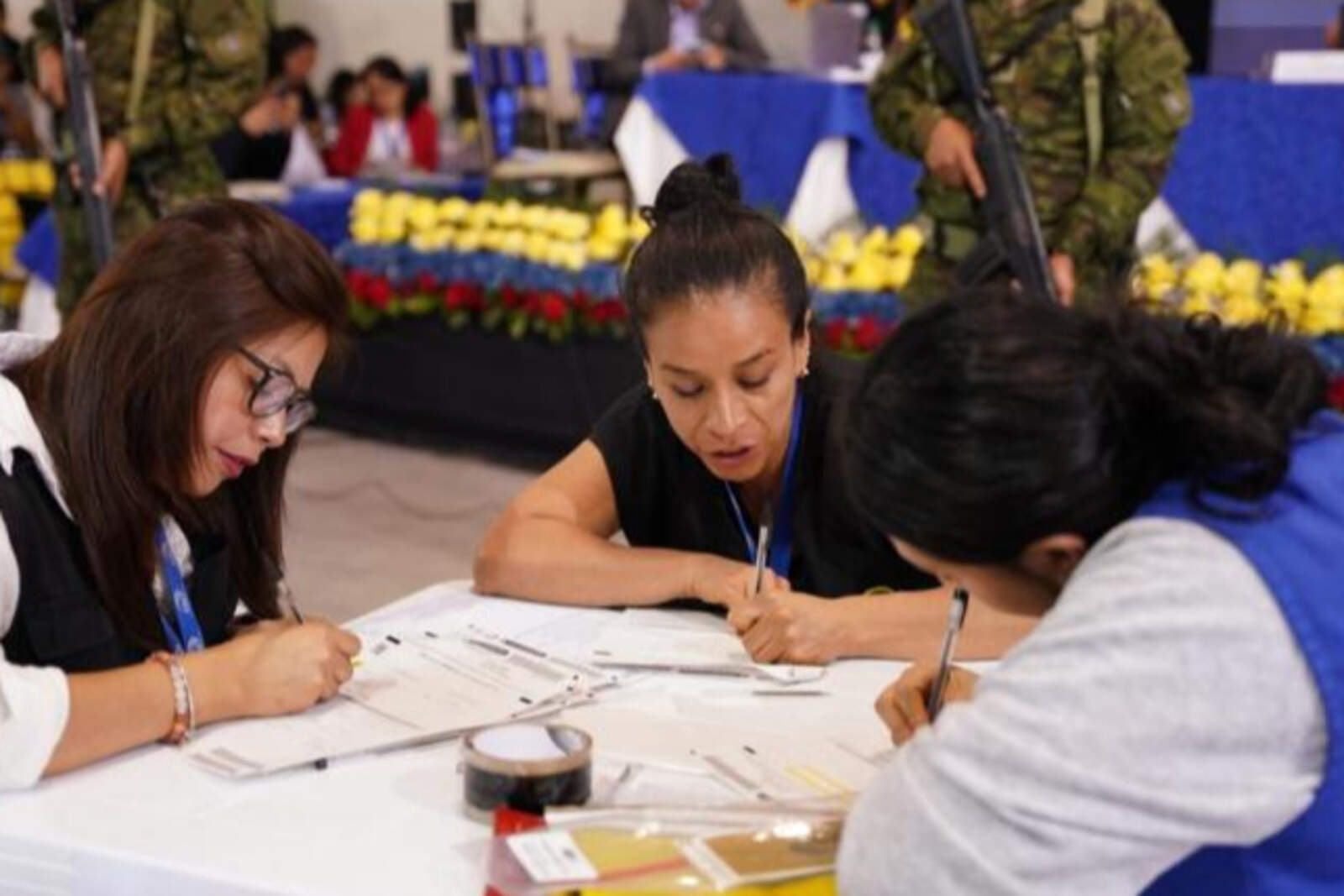
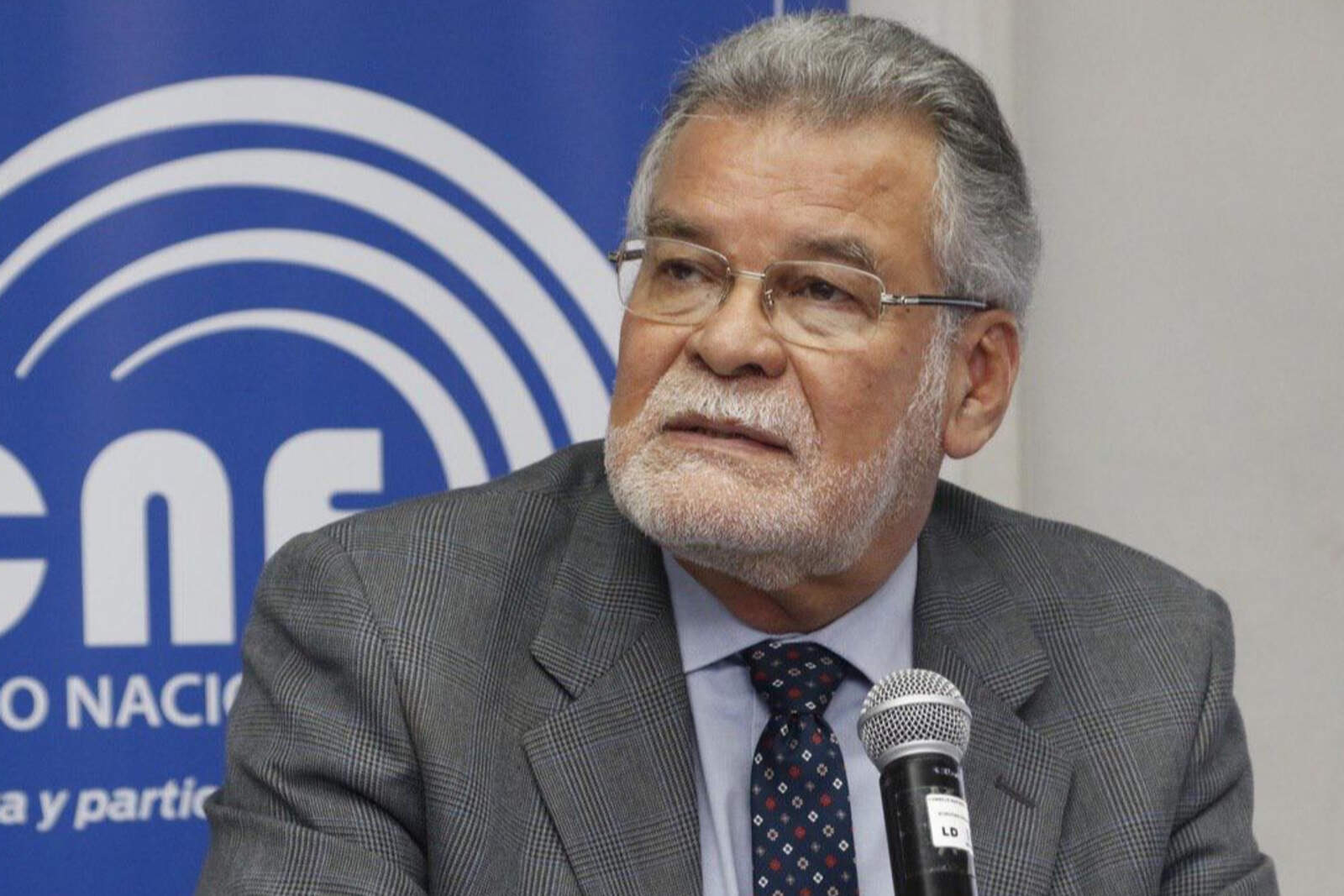
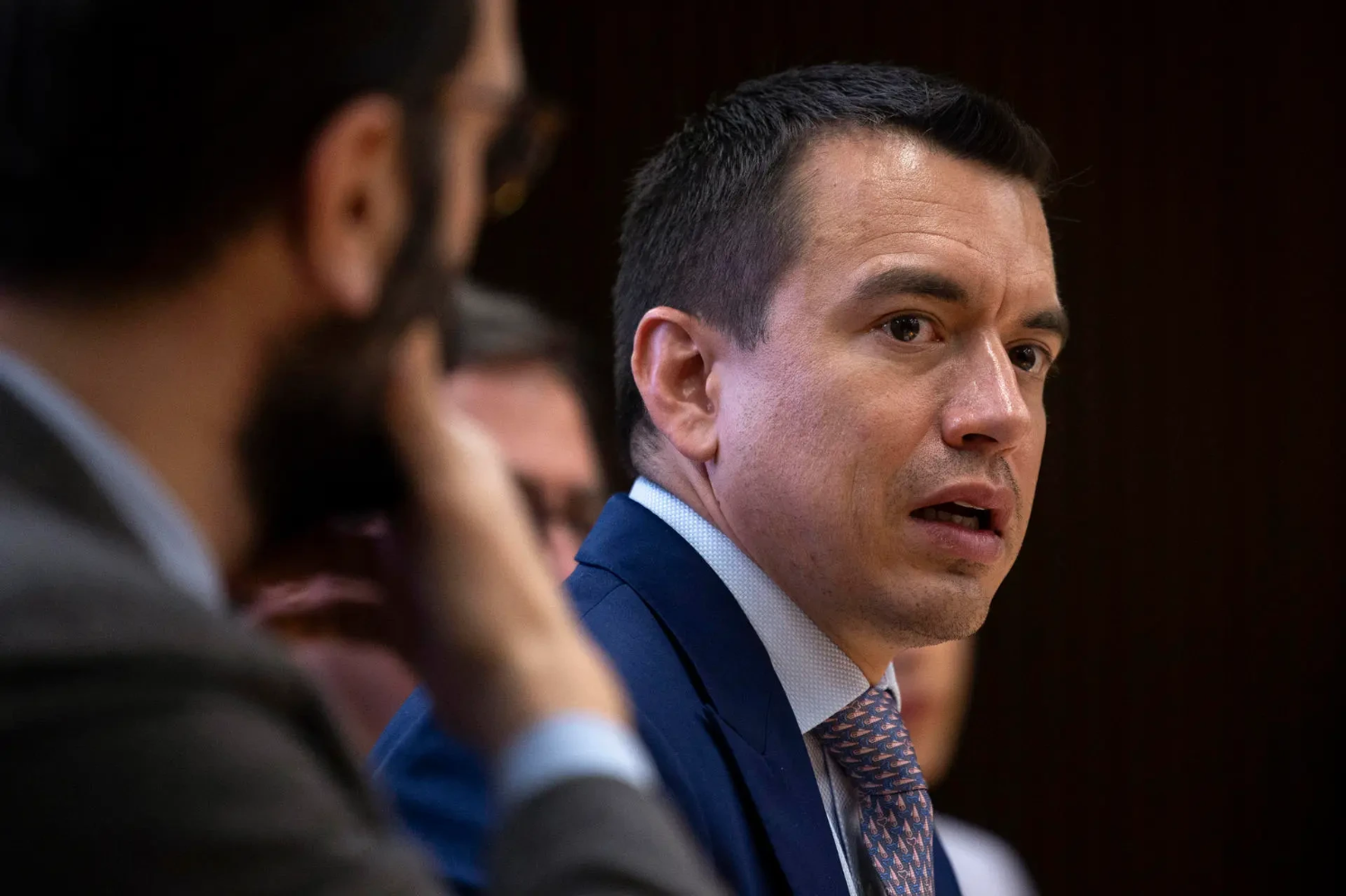
During an electoral simulation in Guayaquil, Enrique Pita, vice president of the CNE, assured that the computer system is reliable. However, the technical emphasis doesn't solve the lack of political oversight nor guarantee complete legitimacy.
Political scientist Jorge Luis Fernández pointed out that citizen oversight is essential to ensure clean elections. He stated that any Ecuadorian can observe the process and report irregularities directly.
He also questioned the transparency of campaign financing and the publication of results in real-time. Without clear access to this information, trust in the system weakens considerably.
Enrique Pita, vicepresidente del CNE
Meanwhile, analyst Daniel González criticized the CNE's inaction in the face of possible infractions for the use of public resources. According to him, the organization has been a silent referee that avoids sanctioning or warning political actors.
González also lamented that decisions like prohibiting the photography of the vote haven't been accompanied by legal clarity. These omissions fuel the perception of arbitrariness and reduce citizen trust.
In light of these warning signs, experts agree on the need to strengthen electoral control. Without real transparency before, during, and after the vote, any result can be suspect. The CNE, as the governing body, must act with firmness and responsibility to ensure a legitimate process. Only then can it regain the trust of an increasingly skeptical citizenry.