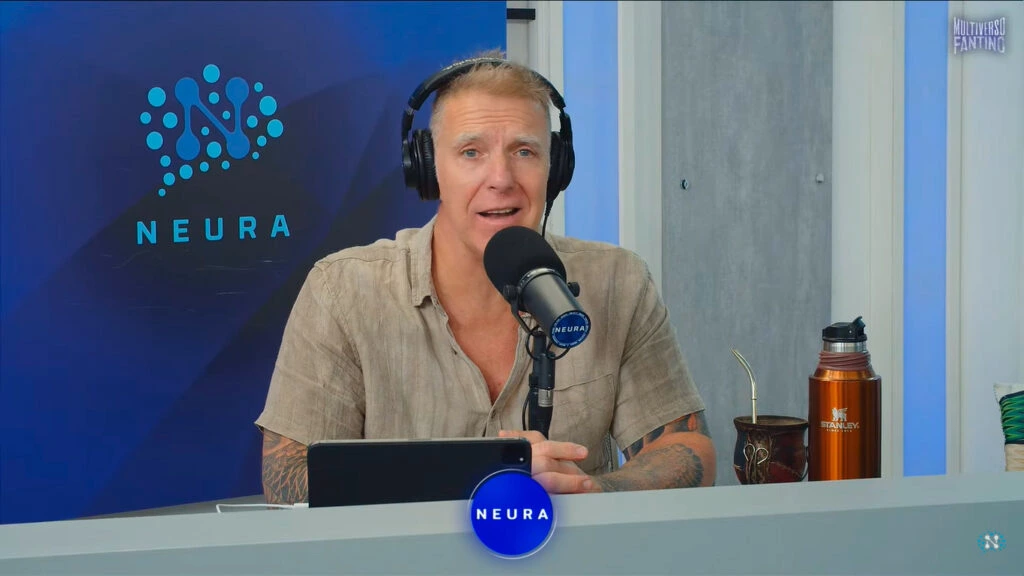
Alejandro Fantino criticized the mayor of Quilmes, Mayra Mendoza, after the municipality organized a “cumbia villera” event funded with public resources. During his program on the streaming channel Neura, the journalist played part of the speech that the Kirchnerist leader delivered to the neighbors and questioned both the organization of the celebration and the concepts used to justify it.
In her intervention, the Peronist official defended the initiative and stated that access to recreation is also part of citizens' rights. Additionally, she acknowledged that the celebration had represented “a huge effort” for the municipal budget, although she considered it should be understood as an investment aimed at the families of Quilmes.
“We do everything with a lot of effort and from the heart. You know we work from the heart. We know there is still a lot to do, but every day we give our best so that Quilmes can grow and our people can live with dignity,” the mayor expressed from the stage.
Fantino particularly focused on the use of the word “dignity” and stated that this expression summarized, from his perspective, the way Kirchnerism understands the relationship between the State and citizens.
Alejandro Fantino's strong criticism of Mayra Mendoza
After listening to the fragment of the speech, the host questioned why the municipal government allocated taxpayer money to organize such an event. However, he pointed out that his main objection was not solely about the event, but also about the political message conveyed by Mendoza.
“Forget about the cumbia, forget about the money from the people of Quilmes. She organizes a cumbia event, it’s paid for by the Quilmes government because she says that fun is also part of the good life that people should have,” Fantino began.
“I was left with this word. I swear it’s not an attack on this lady because I don’t know her. But this word defines her, defines Kirchnerist thinking. They want you to live with dignity,” he stated.
Alejandro Fantino didn't let it slide
For Fantino, the proposal to “live with dignity” represents an insufficient goal because, as he argued, it keeps citizens in a state of dependence on the State. In that sense, he contrasted that model with another focused on labor development, economic autonomy, and the possibility of projecting into the future.
“It doesn’t work for you to have artificial intelligence on your phone, have a good job, think about the future, or have the freedom to buy a computer. It doesn’t work for you to be able to create a path ahead and not be permanently dependent. She wants you to grow in her town and live with dignity,” he stated.
The journalist deepened his stance and linked the concept used by Mendoza with the provision of assistance in emergency situations. “Dignity is getting out of need, but still needing. ‘Here, take the mattress when your place floods; here, take the sheet when it blows away; here, take the soap to wash your clothes.’ That”, he exemplified.
According to the host, social policies should aim for people to access employment and achieve personal growth, rather than remaining permanently dependent on state assistance.