In recent hours, a new plan from Israel has emerged that could create a division of the territory and the establishment of two zones with very different conditions
Amid the tense calm prevailing in Gaza, Israel could be moving toward a de facto partition strategy of the Palestinian enclave, dividing the Strip into two zones: an eastern Gaza under Israeli control and a western Gaza dominated by the terrorist group Hamas.
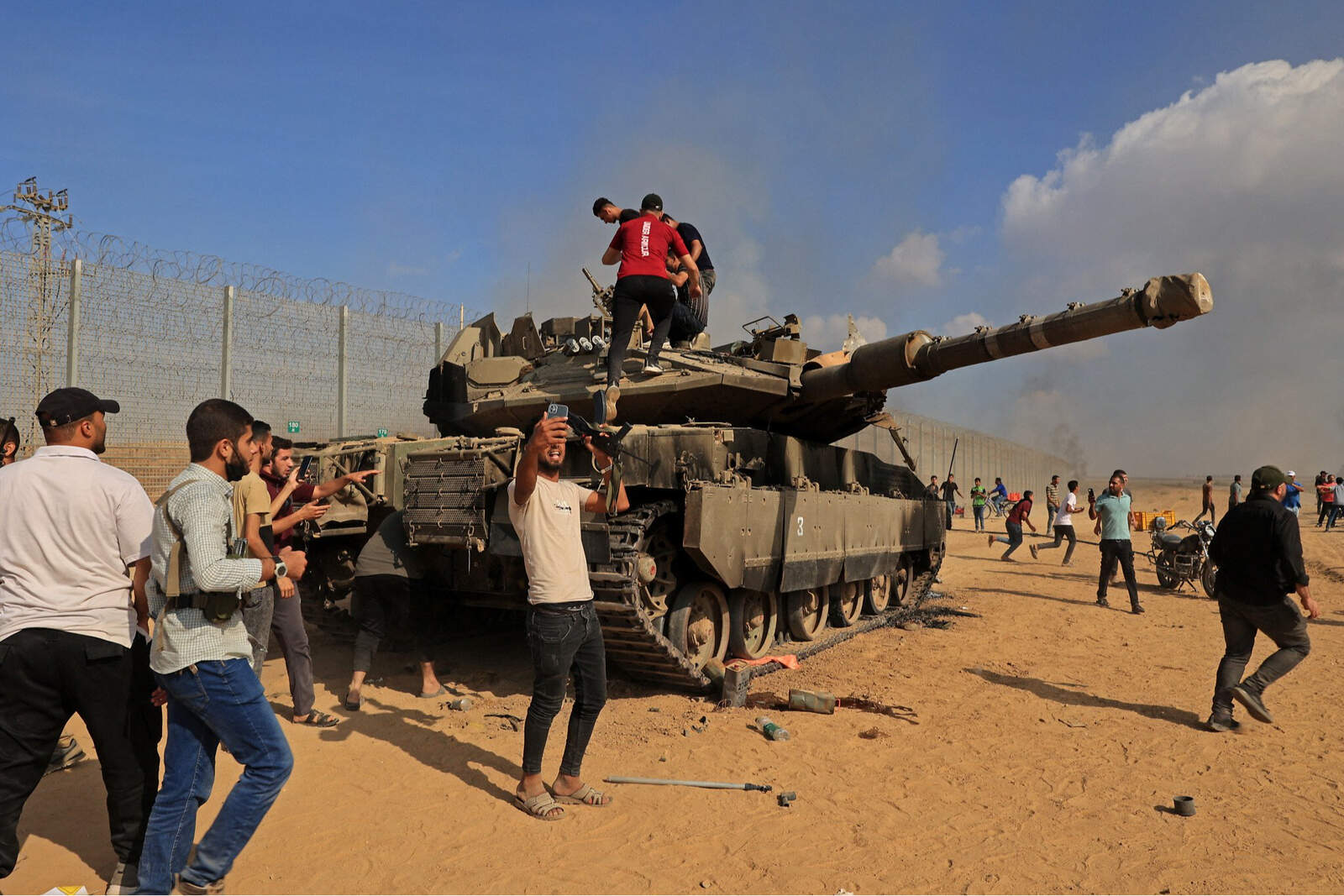
This tactic, although it hasn't been officially declared, appears to be consolidating on the ground through military operations and the creation of strategic corridors such as Netzarim, which has already allowed the enclave to be cut in two during recent clashes.
The eastern zone, adjacent to Israel, could become a territory under Israeli military supervision, but with unbelievable potential for rapid reconstruction and development. According to diplomatic sources, the aim would be to establish a "model zone" with financial support from the United States, the European Union, and moderate Arab countries.
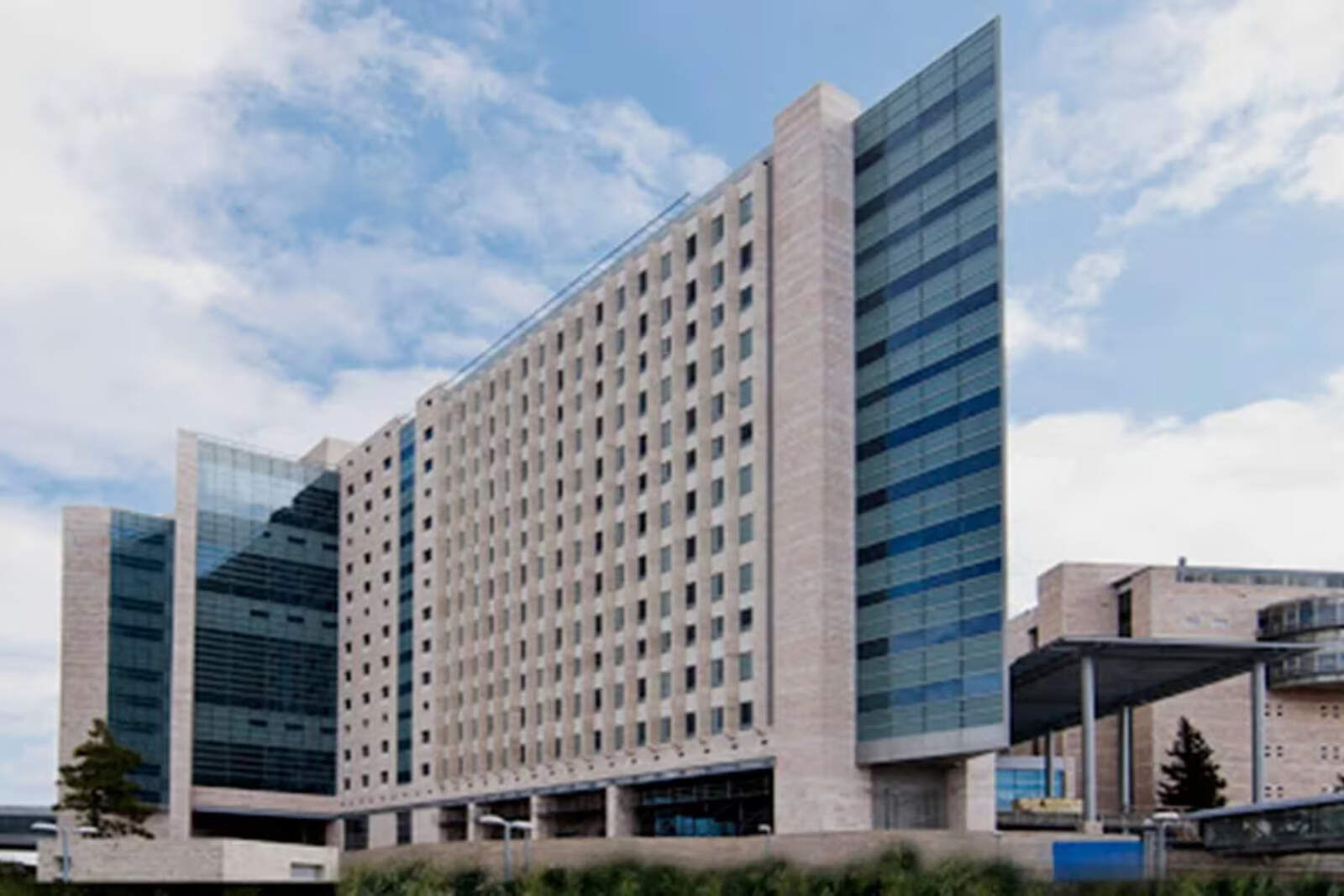
There, the arrival of construction materials, reopening of schools, hospitals, and job creation would be facilitated, as a visible demonstration of the benefits of a demilitarized Gaza removed from Hamas's control.
La Gaza Oriental, bajo el control israelí se vería beneficiada de fuertes inversiones en varios sectores, como salud, finanzas, bienes raíces y más
In contrast, the western zone, where most of the population is concentrated and which would include Gaza City, would be isolated politically and economically. Israel could maintain strict restrictions on the movement of goods and people, citing security concerns due to the continued presence of the Islamist group.
This could deepen the humanitarian crisis, already critical after months of intense bombings, infrastructure destruction, and mass displacement.
Analysts point out that this division would seek to undermine Hamas's power without the need to confront it directly through military means. By offering a viable alternative in the eastern zone, Israel hopes to encourage the voluntary displacement of civilians to areas under its control and generate internal pressure against Hamas's de facto government in the western zone.
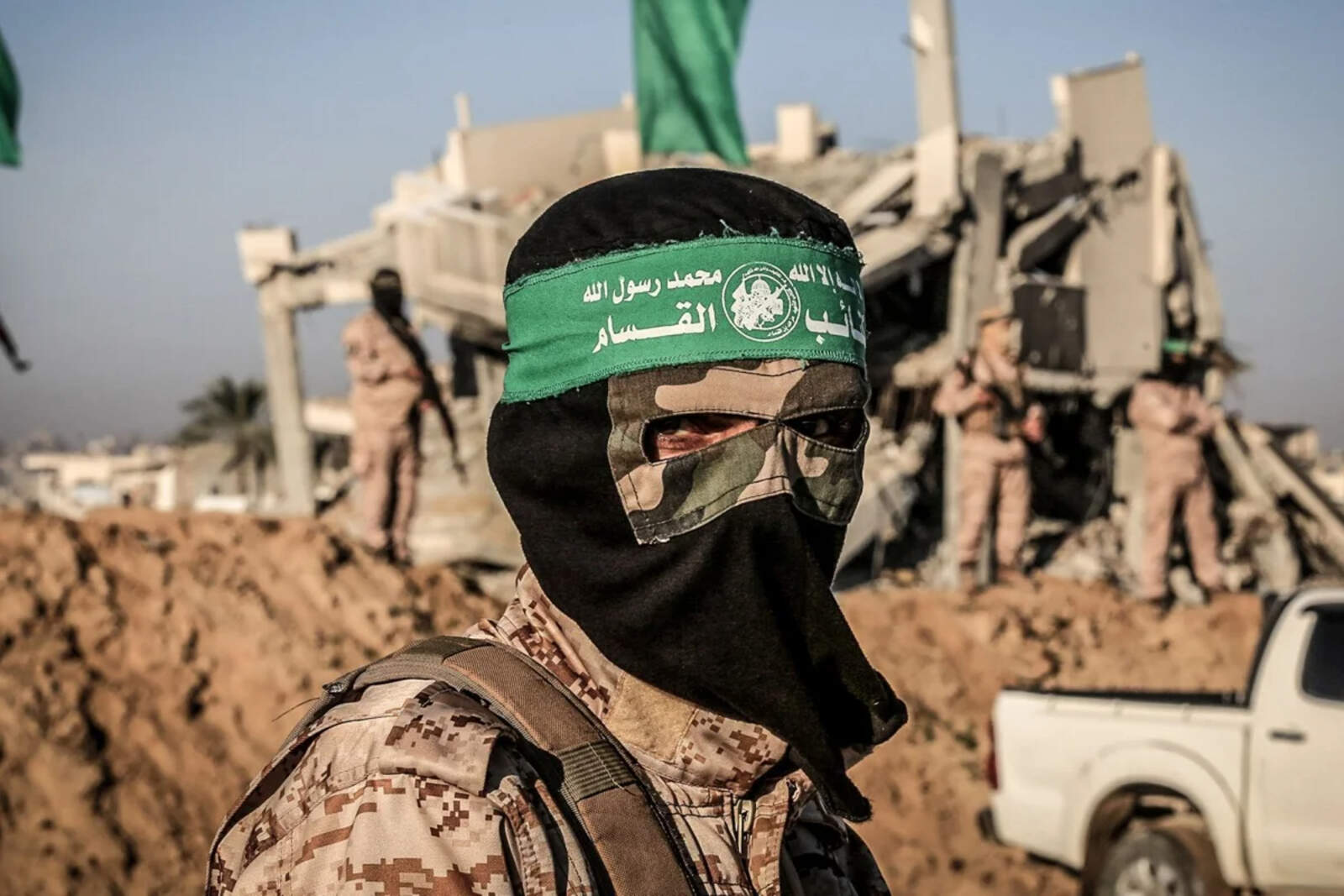
Por otro lado, la zona administrada por el grupo terrorista Hamás, quedaría sumida en la pobreza y la desidia
The scenario also presents diplomatic challenges. While many governments could support this strategy as a pragmatic way to reduce violence and stabilize the enclave, left-wing governments see it as a way to consolidate the fragmentation of Palestinian territory and further bury the possibility of a two-state solution.
If this partition is consolidated, the Gaza Strip would enter a new geopolitical phase, where living conditions, governance, and access to international aid would be directly determined by territorial control.
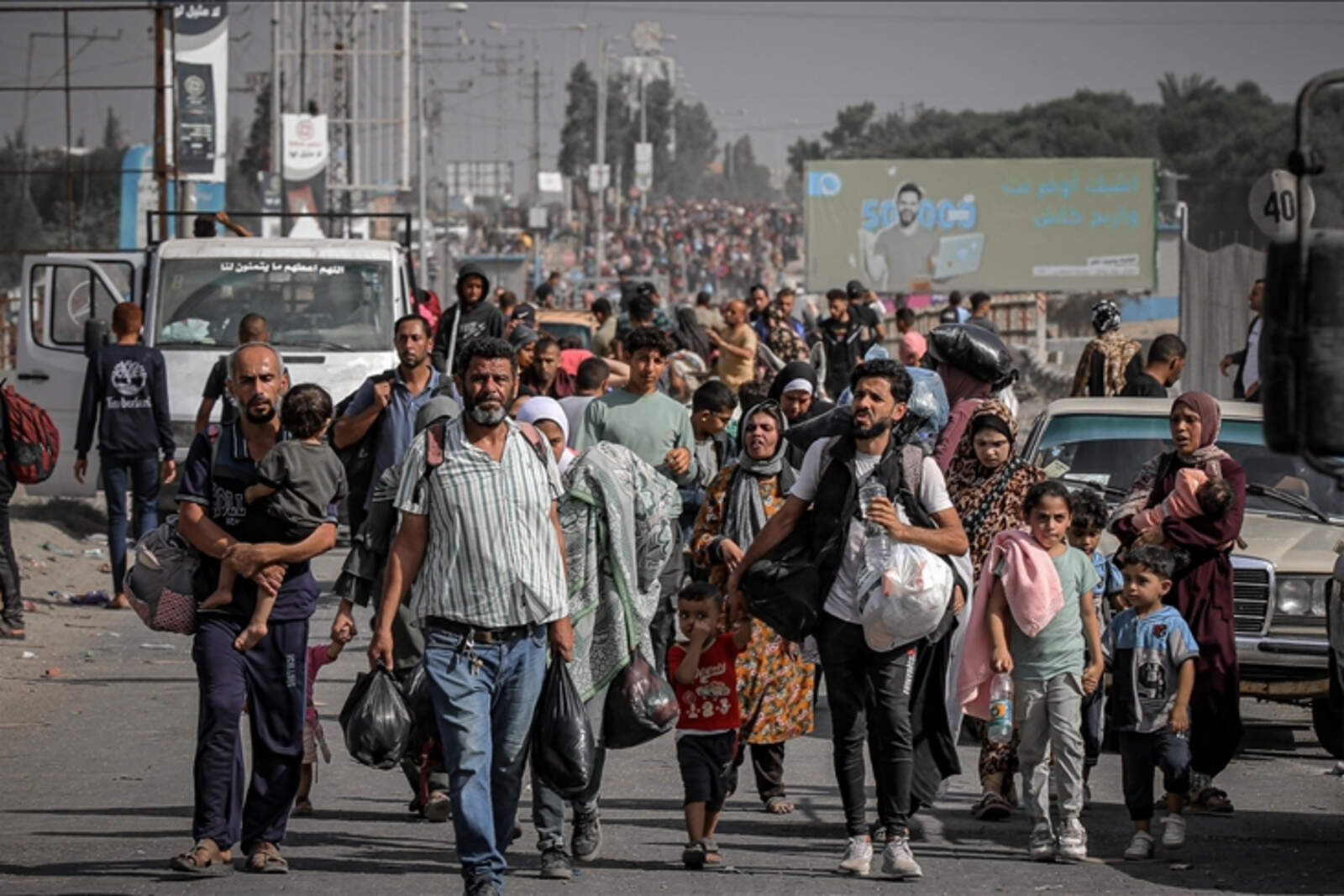
Meanwhile, the Gazan population could be forced to make a tragic decision: remain under Hamas's disastrous government in extreme conditions or migrate to a territory under Israeli control in search of stability.
Esta división llevaría a miles de ciudadanos de Gaza a migrar hacia la zona administrada por Israel
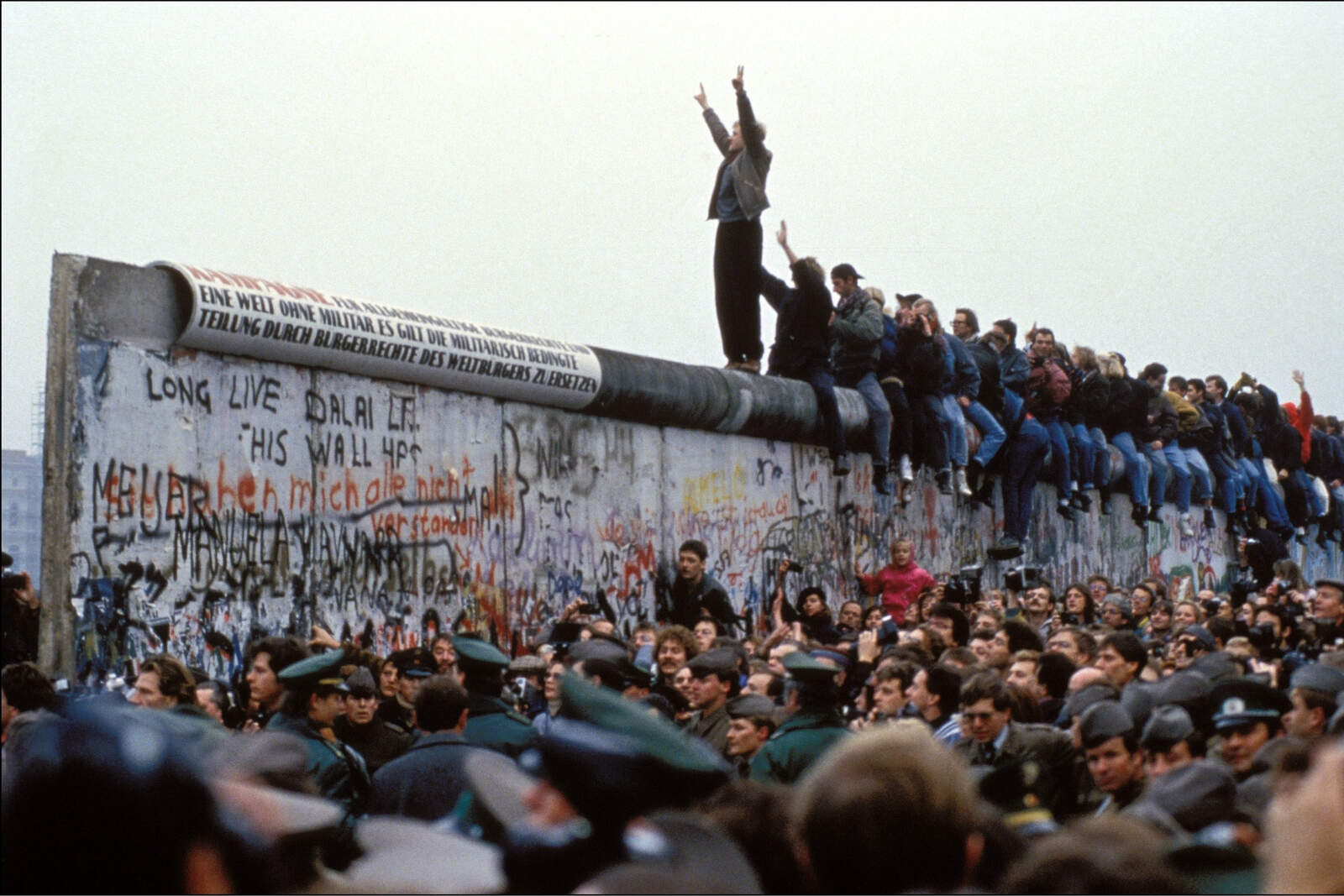
The possible division of Gaza inevitably recalls the Berlin Wall, a symbol of the Cold War and the political fragmentation imposed by the powers. Just as Berlin was split between a capitalist western bloc and a communist eastern bloc, Gaza could be split between an eastern zone, rebuilt and aligned with Israeli and international interests, and a western zone impoverished under Hamas's control. In both cases, the separation is not only geographical, but also ideological, economic, and social.
In Berlin, the wall sought to stop the exodus to the west; in Gaza, the division could have the opposite effect: encouraging displacement to the area under Israeli control, offering a more stable life as a reward for abandoning Hamas.
However, there are also key differences: while Berlin was divided by external powers, the separation in Gaza would stem from the internal conflict between Israel and Hamas, with a strong religious and ethnic component.
La situación rememora a la histórica caída del Muro de Berlín