In this regard, Scioli stated that the country continues to strengthen its international positioning and added: "Argentina has established itself as a valuable and quality destination. We will continue to grow more on this."







This performance consolidates a trend of sustained growth in inbound tourism, thanks to the stability achieved by Javier Milei
In this regard, Scioli stated that the country continues to strengthen its international positioning and added: "Argentina has established itself as a valuable and quality destination. We will continue to grow more on this."





Argentina achieved a new record in international tourism during the first half of 2026, registering the highest arrival of visitors from non-bordering countries in the last 25 years. Between January and June, 1,434,001 tourists from these nations arrived, even surpassing the previous historical maximum of 2019.
In general terms, the country received a total of 3,115,089 foreign tourists during that period, of which nearly half were travelers from non-bordering destinations.
This performance consolidates a trend of sustained growth in inbound tourism, in line with the process of economic opening and stabilization driven by the Government of Javier Milei.
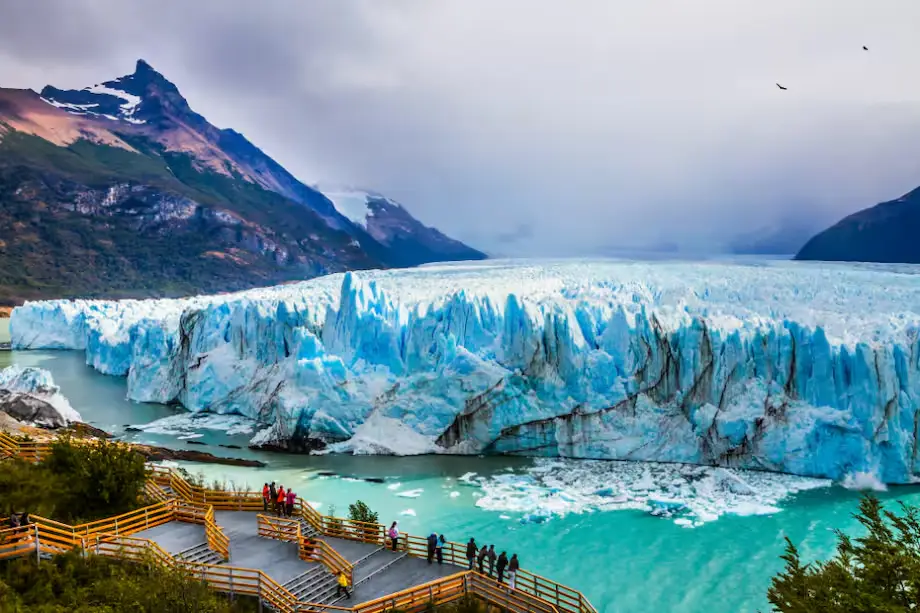
From the Secretariat of Tourism, Environment, and Sports, it was highlighted that these results reflect the direct impact of the policies implemented to position Argentina as a competitive global destination.
The secretary of the area, Daniel Scioli, stated: "This result is the consequence of a clear political decision by President Javier Milei: to open Argentina to the world. Open Skies, stability, security, visa facilitation, and the tourism promotion we carry out with Inprotur in the main international markets made this record possible."
The official also emphasized the positive effect that the growth of tourism has on the economy as a whole. "More connectivity, more tourists, more jobs, more foreign currency, and more opportunities for Argentina," he affirmed, while underscoring the importance of deepening this path.
As part of this strategy, a new seasonal air connection was recently announced that will expand the arrival of international tourists. This is a route by GOL Airlines that will connect São Paulo with El Calafate and Ushuaia between November and March, particularly boosting the flow of Brazilian visitors to Patagonia.
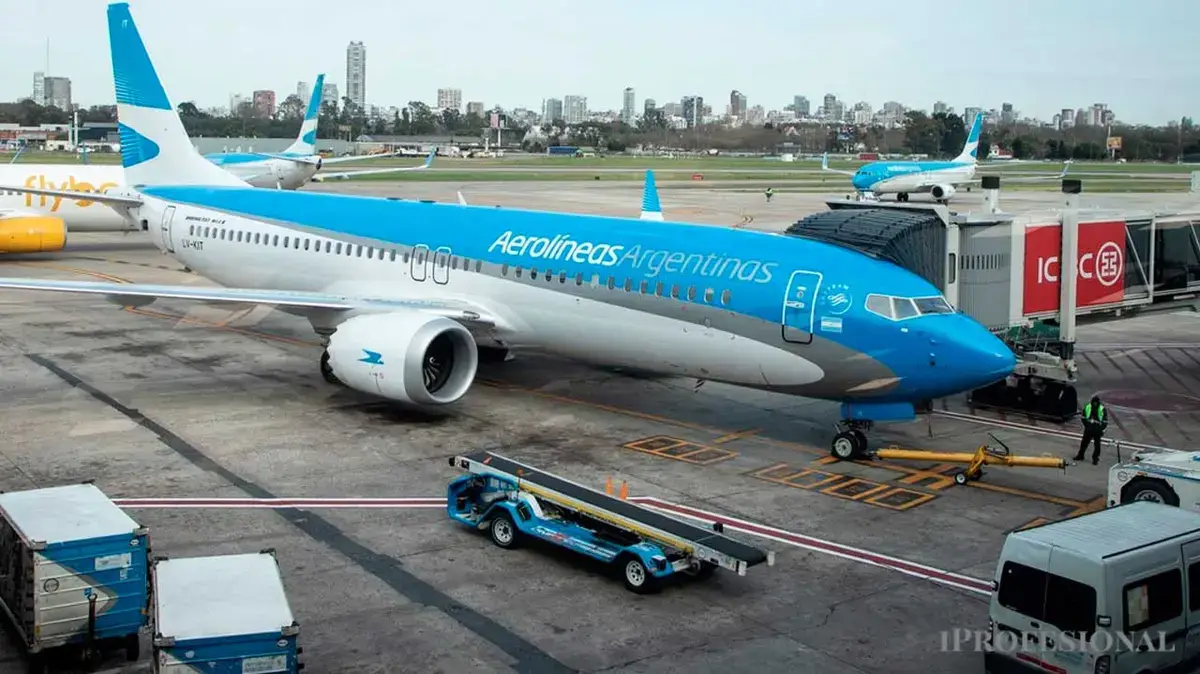
The growth of tourism is also reflected in the development of the winter season, which shows high occupancy levels in the main destinations of the country.
According to data from the Secretariat of Tourism, Environment, and Sports, Bariloche reaches an occupancy rate of 85%, while Malargüe records 80%. Meanwhile, Tierra del Fuego maintains an average close to 70%, with Ushuaia consolidating as one of the most chosen destinations by Brazilian tourists.
In parallel, ski centers and winter resorts operate at full capacity, driven by investments in infrastructure, the incorporation of new lifts, expansion of services, and improvements in snow production systems. These initiatives strengthen the national tourism offer and contribute to sustaining the growth of the sector.
In this way, the record achieved in the arrival of non-bordering tourists reflects the success of the reforms implemented by the administration of Javier Milei, which achieved a higher level of activity, job creation, and inflow of foreign currency, promoting tourism as one of the engines of Argentine economic growth.