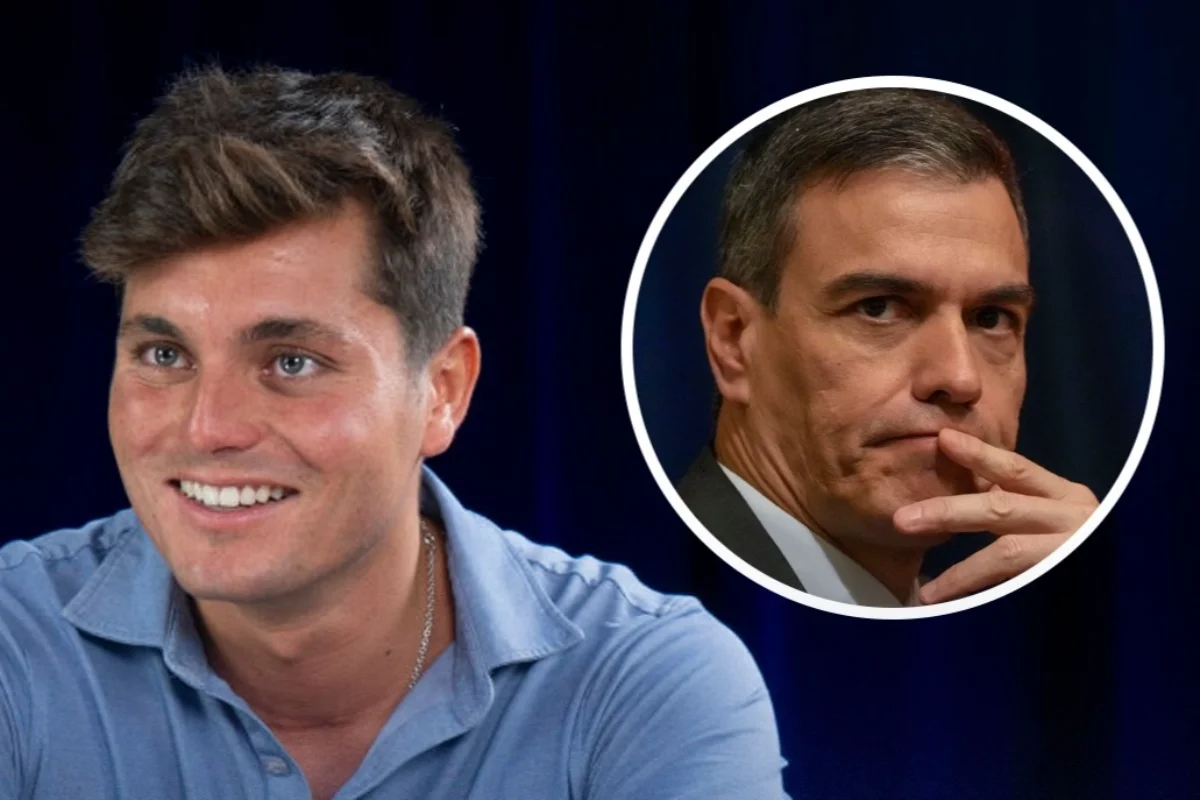
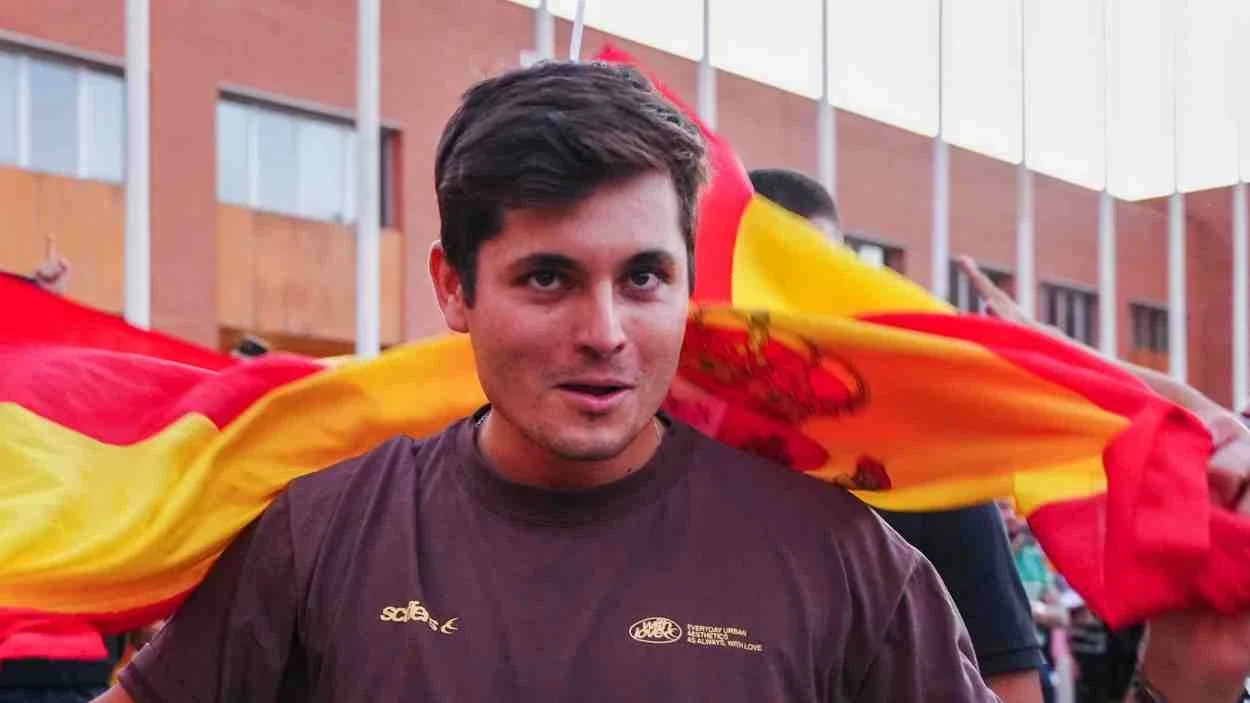
The Spanish police arrived this Wednesday at the EDA TV headquarters in Madrid with the aim of executing a warrant for search and capture against independent journalist Vito Quiles, in a serious attack on independent journalism that shows the political use of Justice by the government of Pedro Sánchez.
However, the procedure could not be carried out because the communicator was not present at the facilities located on Lagasca Street.
According to sources linked to the case, Quiles conducts most of his activities outside the newsroom, covering events and making interventions in public spaces, which explains his absence at the time of the operation. So far, it has not been revealed which of the open legal cases against him prompted the arrest warrant.
Vito Quiles
The journalist himself reported what happened through his account on the social network X, where he denounced a persecution against him.
“A judge has ordered my arrest following a campaign of mass complaints from Sánchez's circle after my meeting with Begoña Gómez. The Government uses justice to pursue its rivals without reason, but then plays the victim when judging their corruption. Not one step back,” Quiles stated.
The communicator's statements come in a context of growing political tension, where various sectors have been denouncing the use of judicial mechanisms for purposes of censorship or disciplining against critical voices of the Sánchez Government.
Vito Quiles
Vito Quiles is a Spanish journalist who actively covers and denounces the corruption surrounding Pedro Sánchez through media such as EDA TV, which has led to a strong persecution against him in an attempt to censor him.
For his part, Quiles' lawyer, Juan Gonzalo Ospina, confirmed the existence of the search and capture warrant and questioned the manner in which the procedure was carried out. The lawyer described the measure as “disproportionate” and stated that he has no details on which of the “five cases” affecting his client led to the judge's decision.
In that vein, the defense argued that the notification could have been made through less invasive means, such as direct communication to the investigated party, to his attorney, or even at his home, instead of deploying an operation at the headquarters of the media outlet where he works.