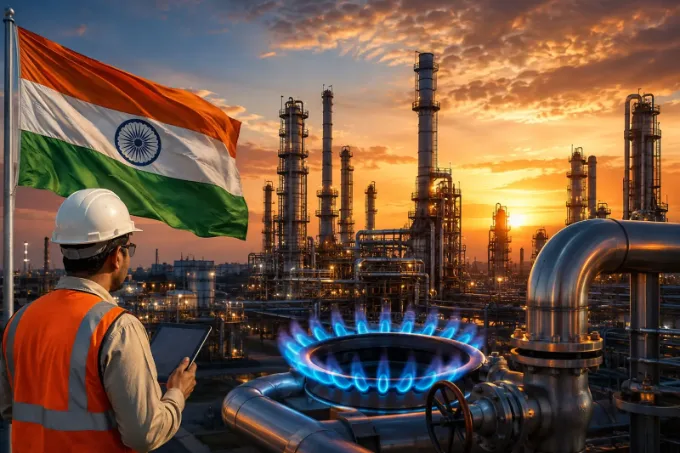

India ordered refineries to increase their gas production capacity in light of new energy crises

India ordered refineries to increase their gas production capacity in light of new energy crises
Imagen de Editorial Team
porEditorial Team
Argentina

India seeks to shield itself from potential supply cuts by requiring its refineries to have additional LPG capacity and reducing its external dependence

Add La Derecha Diario on
Share:

The government of India established for the first time mandatory maximum production targets for liquefied petroleum gas (LPG) for its refineries, in a measure aimed at strengthening the country's energy security and creating a response capacity to potential disruptions in international supply.

The order was issued on Thursday, August 13, by the Ministry of Petroleum and Natural Gas and affects 21 public and private refineries and oil plants. The directive sets a combined production capacity of up to 63,810 tons per day of LPG, more than double the national production recorded during the fiscal year that ended on March 31, 2026, and equivalent to approximately 70% of the country's daily consumption.

The government clarified that the facilities will not have to produce permanently at the established maximum. Instead, the quotas determine the capacity that each plant must be prepared to activate when authorities deem it necessary to respond to a potential supply crisis. In this way, New Delhi seeks to have an industrial reserve that can be activated quickly without relying solely on stored inventories or emergency purchases in international markets.
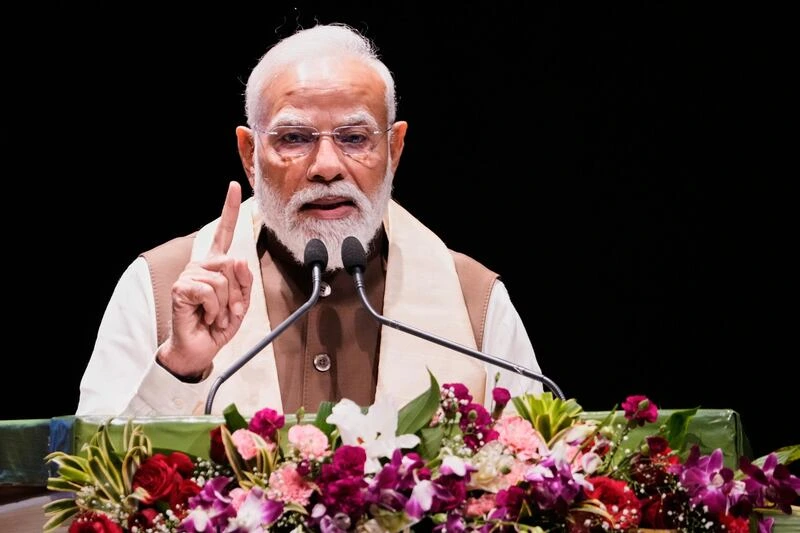
The Indian government forced oil companies to increase their production capacity in anticipation of possible future crises

The distribution of the targets reflects the central role of state-owned companies in the strategy. The 18 public refineries must jointly achieve a capacity of 31,470 tons per day. They will be joined by ONGC and GAIL, which will contribute another 6,460 tons per day from natural gas. Meanwhile, Nayara Energy, a company partially controlled by Russian capital, received a quota of 4,480 tons per day for its refinery located in Vadinar, in the state of Gujarat.

The directive also requires companies to make technical modifications to be able to transform certain secondary inputs into LPG and strengthen the necessary infrastructure to transport and distribute the additional fuel. The goal is to reduce the reaction time in the face of an external disruption and allow the country to quickly increase its domestic supply when necessary.

The decision responds to India's high energy dependence. The country imports about 90% of the oil it consumes and around 60% of LPG, a fundamental fuel for cooking and heating in more than 300 million homes. The vulnerability is even greater because approximately 90% of the imported LPG historically passes through the Strait of Hormuz, one of the world's main energy routes.
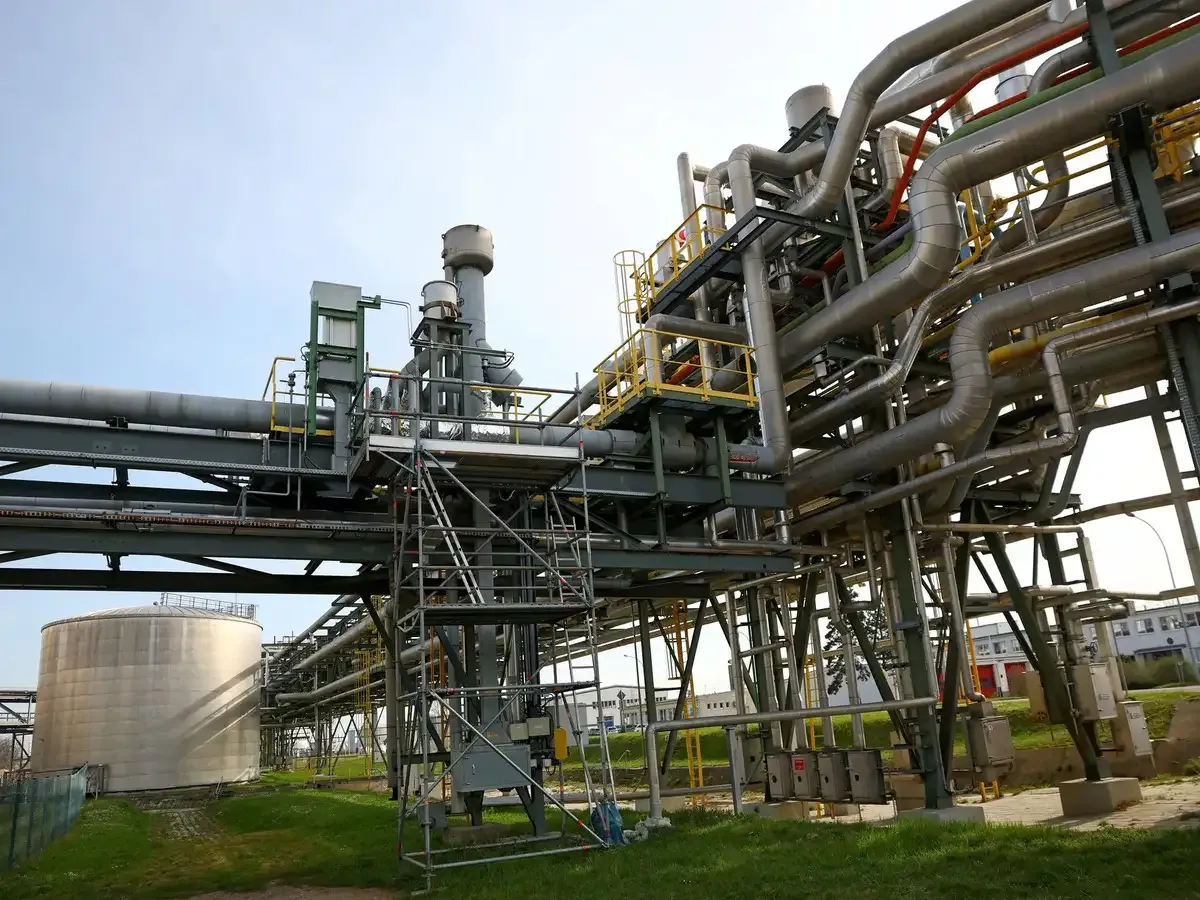
Instability in the Middle East during the first half of 2026 highlighted the risks of that dependence. Episodes of military tension and restrictions around the strait caused a drop of nearly 85% in Indian LPG imports from the Middle East between February and June, according to sector analysis.

In light of this situation, New Delhi accelerated the search for alternative suppliers. India signed a one-year contract with the United States to import 2.2 million tons of LPG from the Gulf Coast. The volume represents about 10% of the country's annual imports and significantly contributed to increasing the U.S. share within India's supplier basket.

India imports about 90% of the oil it consumes and 60% of liquefied petroleum gas

The need for diversification is explained by the magnitude of domestic consumption. India uses more than 31 million metric tons of LPG each year, while national production covers barely around 40% of that demand. The difference forces the country to rely on foreign suppliers and turns any disruption of international maritime routes into a potential threat to millions of households.

With the new order, the government seeks to transform the production capacity of its refineries into a tool of national security. The mechanism differs from the strategic oil reserves that India maintains in underground facilities, as it is not just about storing fuel, but ensuring that the plants can quickly ramp up production when an emergency occurs.

The regulation, however, does not set a specific date to activate the quotas or automatic conditions that trigger the increase in production. The decision will rest with the Ministry of Petroleum and Natural Gas, which can order the activation of the system depending on market conditions and supply security.

While the Strait of Hormuz remains a critical point for global energy trade, India is trying to reduce its vulnerability to future crises. The new strategy reflects New Delhi's concern to ensure the supply of LPG and have a domestic response capacity that was not previously available.

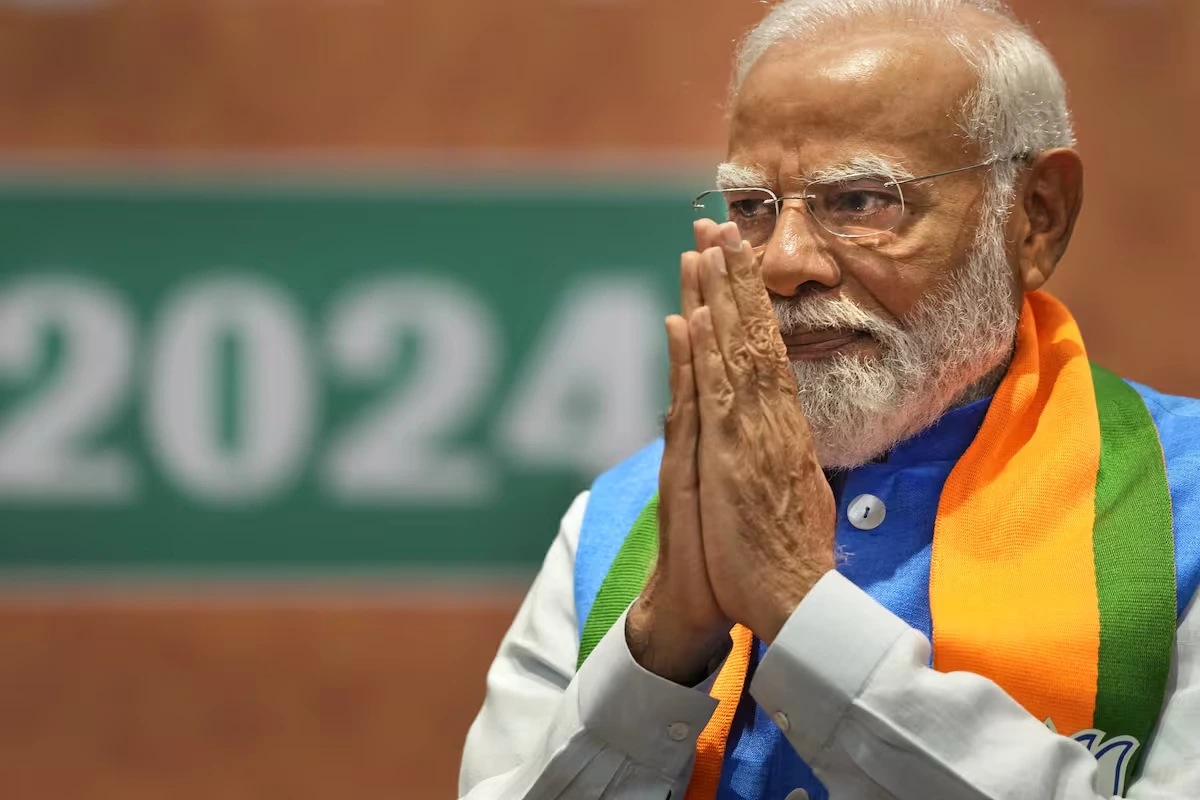
The government of Narendra Modi has not set a specific date for the activation of the production measures


La Derecha Diario logo
TwitterInstagramYouTubeTikTokFacebook
Derecha Diario TV

Nosotros

  • Quienes Somos
  • Autores
  • Donar

Privacidad

  • Protección de datos
  • Canales
  • Sitemap
  • RSS

Contacto

  • info@derechadiario.com.ar
PUBLICIDAD

Related news

CAME manipulates sales data for Children's Day by excluding online sales

CAME manipulates sales data for Children's Day by excluding online sales

The ELN threatened Abelardo's government after the military offensive against the guerrilla

The ELN threatened Abelardo's government after the military offensive against the guerrilla

The Iranian regime offers up to USD 30,000 to assassinate American soldiers

The Iranian regime offers up to USD 30,000 to assassinate American soldiers

Due to Seoul's snub in Iran and to prioritize peace in Asia, Trump will reduce military exercises with South Korea

Due to Seoul's snub in Iran and to prioritize peace in Asia, Trump will reduce military exercises with South Korea

California: Lawsuit filed against a school for taking students to a mosque and urging them to wear the hijab and read the Quran

California: Lawsuit filed against a school for taking students to a mosque and urging them to wear the hijab and read the Quran

Newly leaked emails from Fauci: Since 2021, the Democratic doctor knew that COVID vaccines could cause death

Newly leaked emails from Fauci: Since 2021, the Democratic doctor knew that COVID vaccines could cause death

La Derecha Diario logoLa Derecha Diario logo
ESX logoInstagram logoYouTube logoTikTok logoFacebook
ARGENTINAUNITED STATESECUADORISRAELMEXICODERECHA DIARIO TV
  • ES
    XInstagramYouTubeTikTokFacebook
  • DERECHA DIARIO TV
  • Sections
  • ARGENTINA
  • UNITED STATES
  • ECUADOR
  • ISRAEL
  • MEXICO
  • URUGUAY
  • Countries
  • La Derecha Diario logoLA DERECHA DIARIO
  • La Derecha Diario México logoLA DERECHA DIARIO MÉXICO
  • La Derecha Diario Uruguay logoLA DERECHA DIARIO URUGUAY
  • La Derecha Diario Ecuador logoLA DERECHA DIARIO ECUADOR
  • La Derecha Diario Israel logoLA DERECHA DIARIO ISRAEL
  • La Derecha Diario Estados Unidos logoLA DERECHA DIARIO ESTADOS UNIDOS
  • Topics
  • GUERRA EN IRÁN
  • The Newspaper
  • QUIENES SOMOS
  • AUTORES
  • PUBLICIDAD
  • DONAR







