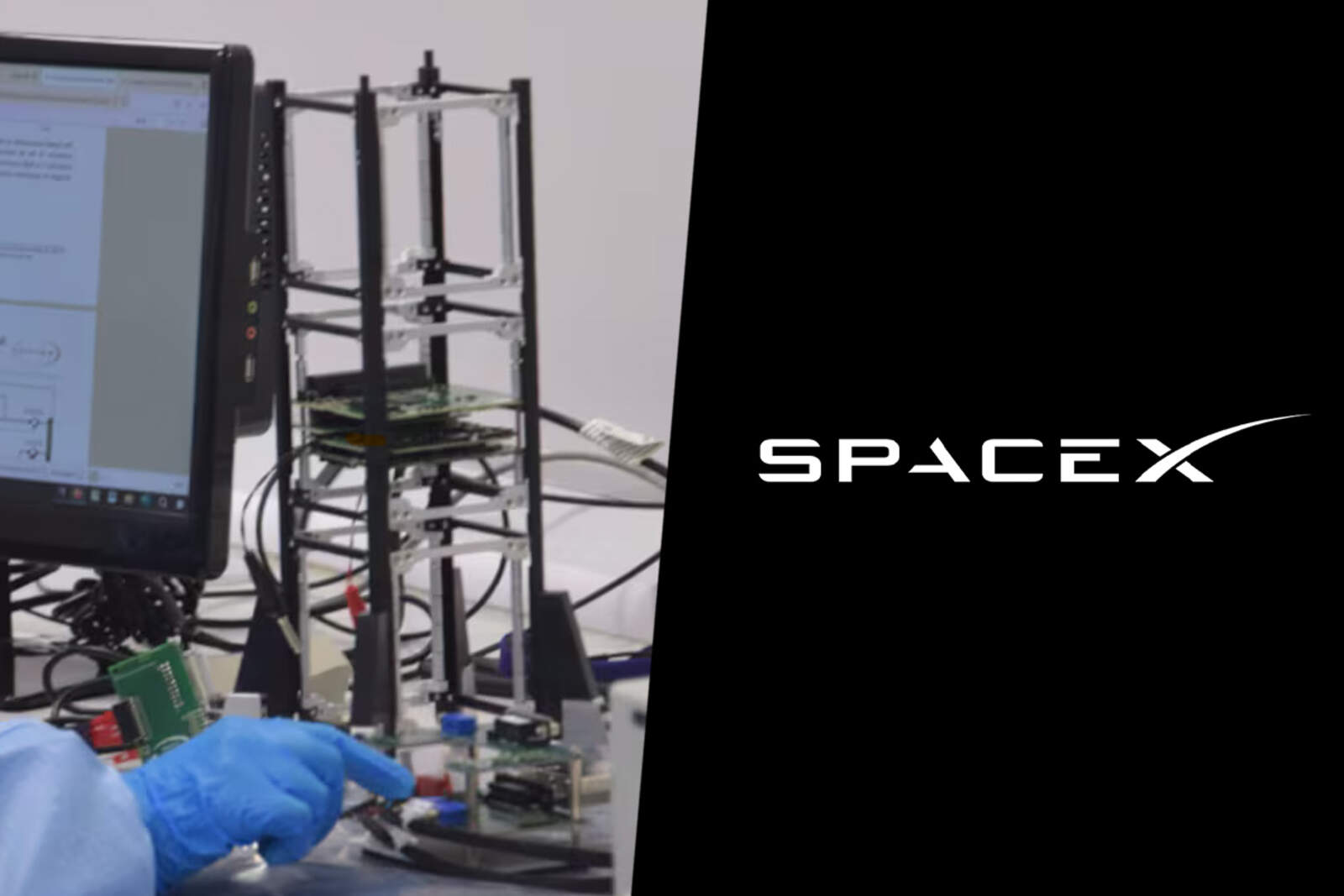
LABSAT IoT is an Argentine satellite that will take the Internet of Things (IoT) beyond terrestrial borders. Its launch is scheduled for mid-2026.
The project, developed by the University of Palermo, focuses on providing connectivity in remote areas, where traditional networks do not reach. The satellite will offer new solutions in key sectors such as agriculture and maritime exploration.
LABSAT IoT, el nanosatélite argentino
What is LABSAT IoT?
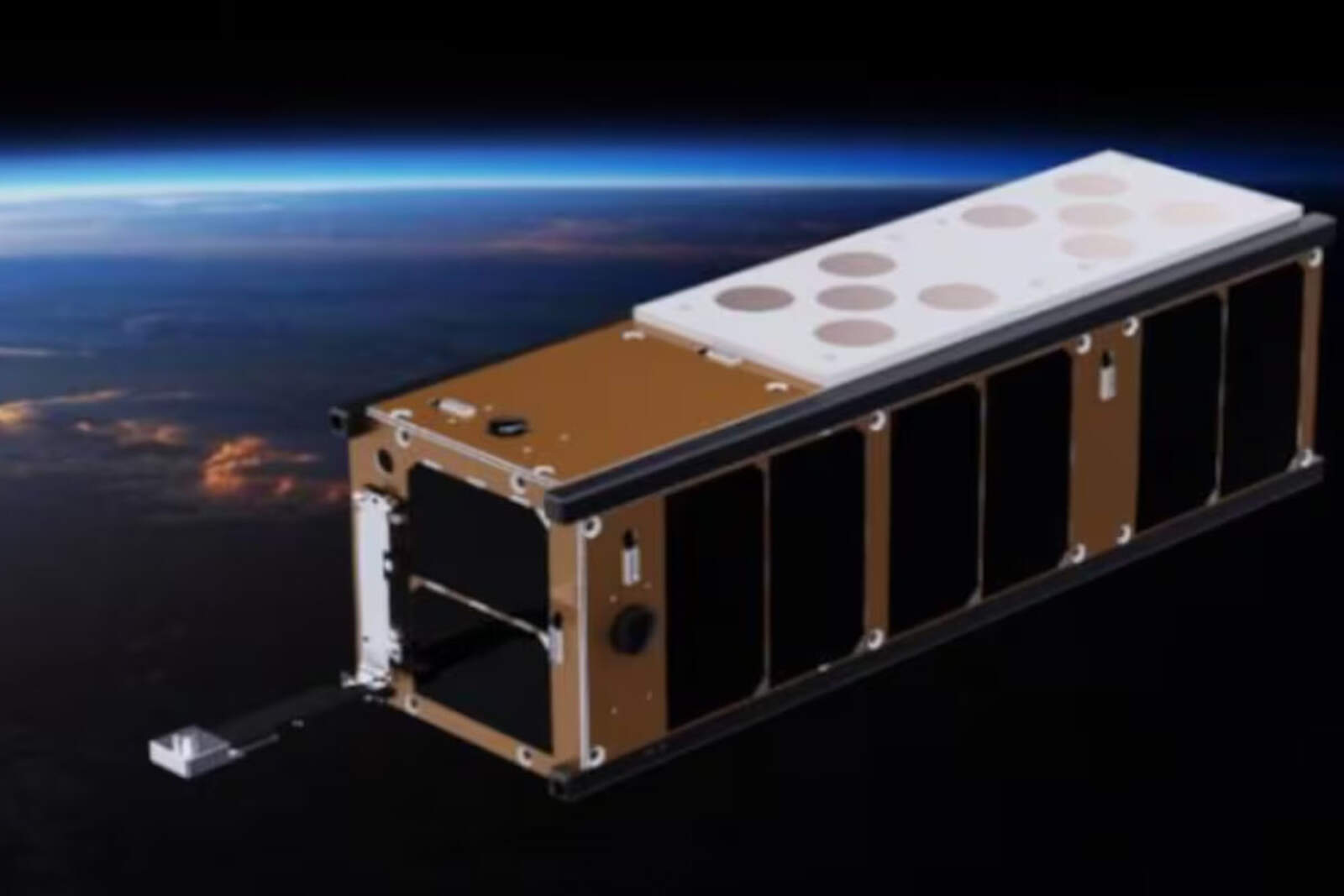
LABSAT IoT is a cubesat 34 cm long. Its main mission is to provide connection to IoT devices in rural and maritime areas.
The satellite will use advanced communication technologies to support IoT and satellite cellular networks. This makes it compatible with various communication systems.
Challenges in CubeSat Development
The design of a CubeSat like LABSAT IoT was not easy. Ignacio Lemme, the project's engineer, commented on the challenges in designing communication boards and flight control systems.
El diseño de un CubeSat como el LABSAT IoT no fue sencillo
The team overcame these difficulties with complex simulations and tests, advancing to the final testing stage of the satellite.
Applications of the Nanosatellite
LABSAT IoT will have applications in industries such as logistics, mining, and security. Its ability to transmit data at low speed will improve control and decision-making in these sectors.
El RIGI de Milei no para de traer inversiones.
The satellite will not only serve for communication but also optimize the operation of IoT devices in remote locations. It will be key to achieving efficient connectivity with low-power devices.
The Launch with SpaceX
The contract for the launch of LABSAT IoT is signed with SpaceX, Elon Musk's company. It will be launched aboard a Falcon 9 rocket in 2026.
Elon Musk encabezará un heroico rescate en el espacio
Its polar orbit will allow greater coverage over Argentina and the region, improving the efficiency of data transmission in remote areas.