The new regulation governs how to travel with pets on trains and buses and sets requirements for passengers and companies
Nuevo
Agregar La Derecha Diario en
Compartir:
The national government officially authorized the transportation of domestic animals on long-distance trains and buses, a practice that until now had been prohibited or limited to exceptions.
The measure was formalized by the Ministry of Economy through Resolution 2076/2025, published in the Official Gazette. It establishes for the first time a clear framework with rights and obligations for passengers and companies.
Trenes Argentinos
What types of pets can be transported
The regulation defines a domestic animal as any companion animal that can live with people in a home environment. Wild animals and any species not considered a companion animal are excluded.
Guide and assistance dogs are not covered by this regulation, since they continue to be governed by their own regulations and retain the right to travel without additional restrictions.
How pets must travel
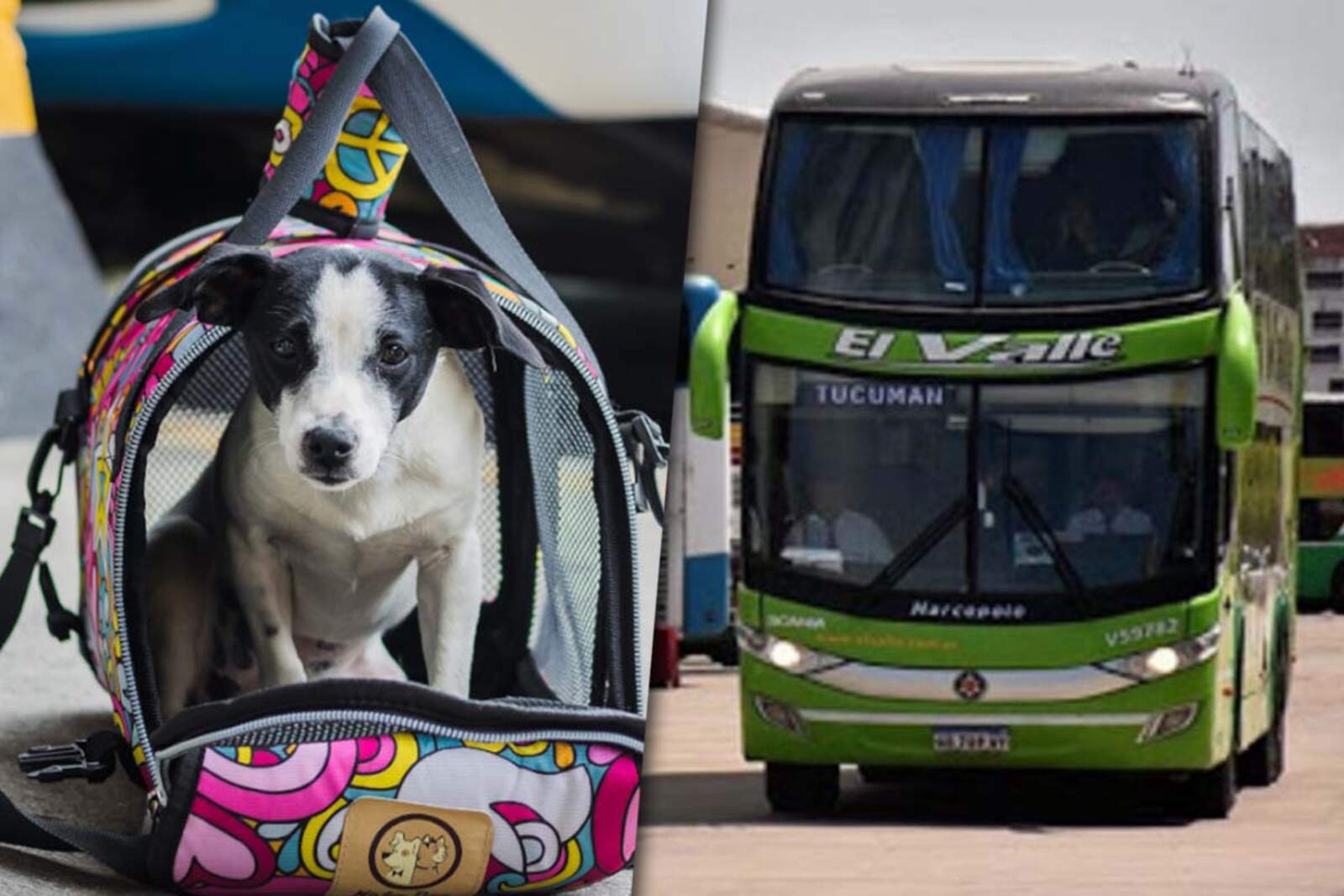
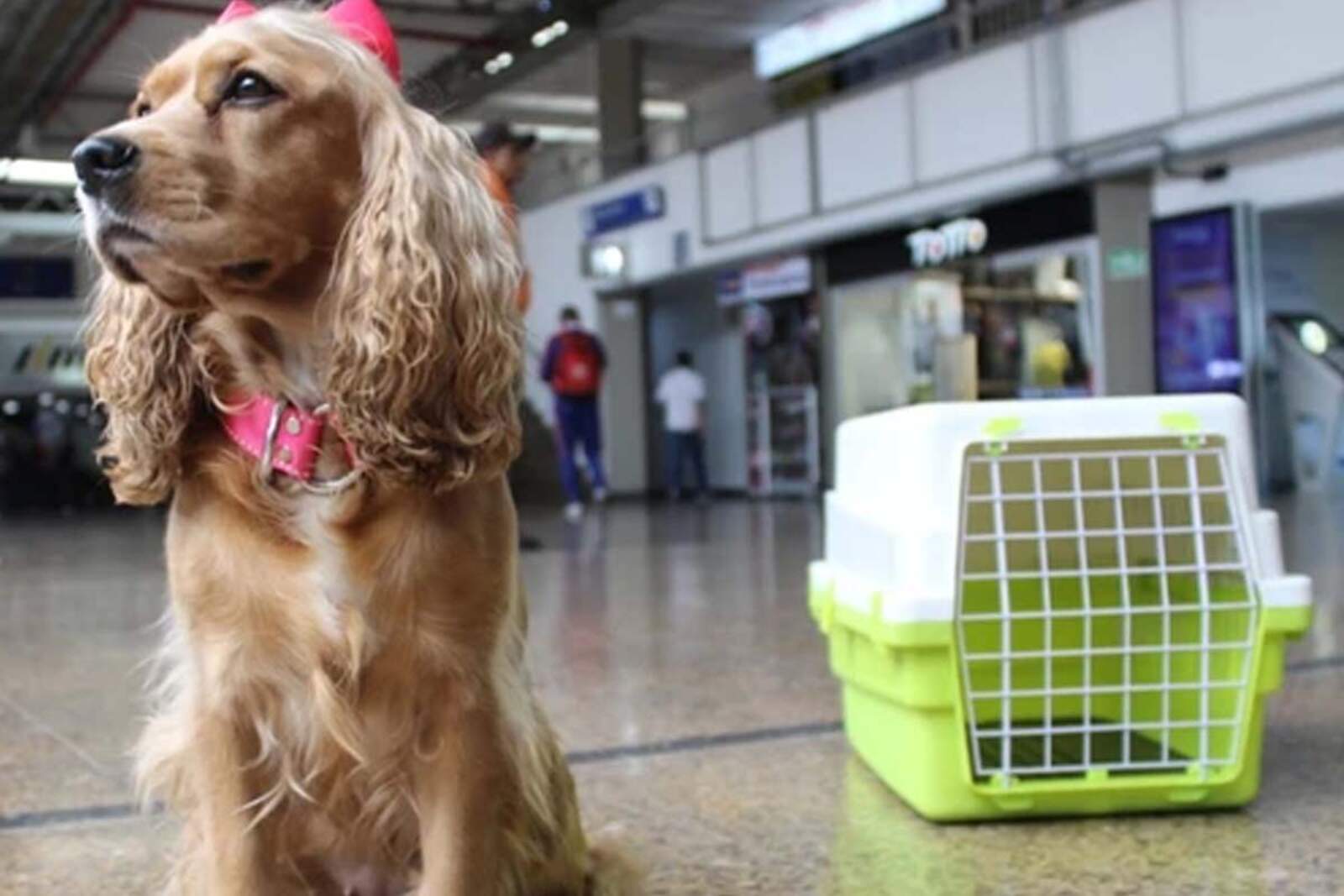
The animals must be transported in a closed carrier or crate, designed to guarantee safety, hygiene, and well-being. It may be placed on the passenger's lap, under the front seat, or in a seat next to the window, properly secured.
Cómo deben viajar las mascotas
Each adult passenger may travel with only one pet, and more than one animal per carrier will not be allowed. The person responsible for the animal must ensure that it doesn't cause disturbances, risks, or situations of discomfort for the rest of the passengers.
Mandatory vaccines and documentation
It will be mandatory to present proof of rabies vaccination and any other health certification required by current regulations. This documentation may be requested at the time of boarding or during the trip.
El responsable del animal deberá garantizar que no genere molestias
The care, health, and safety of the animal will remain under the passenger's exclusive responsibility throughout the journey.
What transportation companies can require
The companies will be authorized to charge an additional fee for the transportation of pets, in compliance with the Consumer Protection Law. They may also set conditions according to species, weight, age, or size.
In addition, they must establish cleaning protocols and provide designated areas in stations and terminals for those who travel with animals.