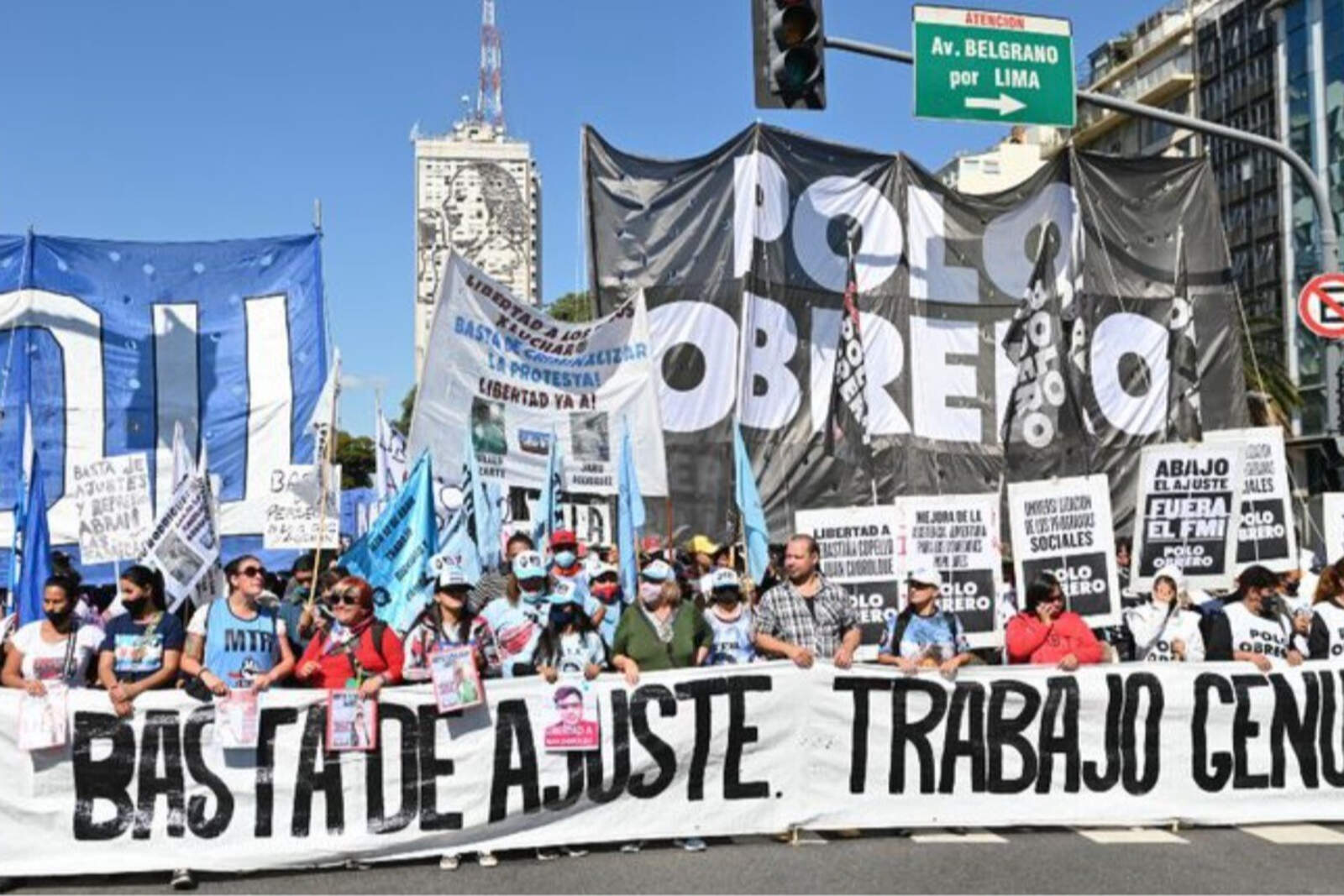

Once again, the National Congress became the scene of a protest that, far from being a peaceful claim, ended as Kirchnerism has accustomed us; with incidents and clashes with security forces.
Under the pretext of a "retirees' march," union leaders and left-wing figures attempted to take to the streets, in a clear provocation that tested the prestigious anti-blockade protocol of the Ministry of Security.
Every Wednesday, a small group of retirees, accompanied by union and political sectors, mobilized around the Congress. This time, the call was joined by activists from the Metalworkers' Union (UOM), SUTNA (tire workers), and the Polo Obrero.
The security operation, which included officers from the Federal Police, Gendarmerie, Coast Guard, and Airport Security Police, had a clear objective: to ensure traffic flow and prevent illegal blockades.
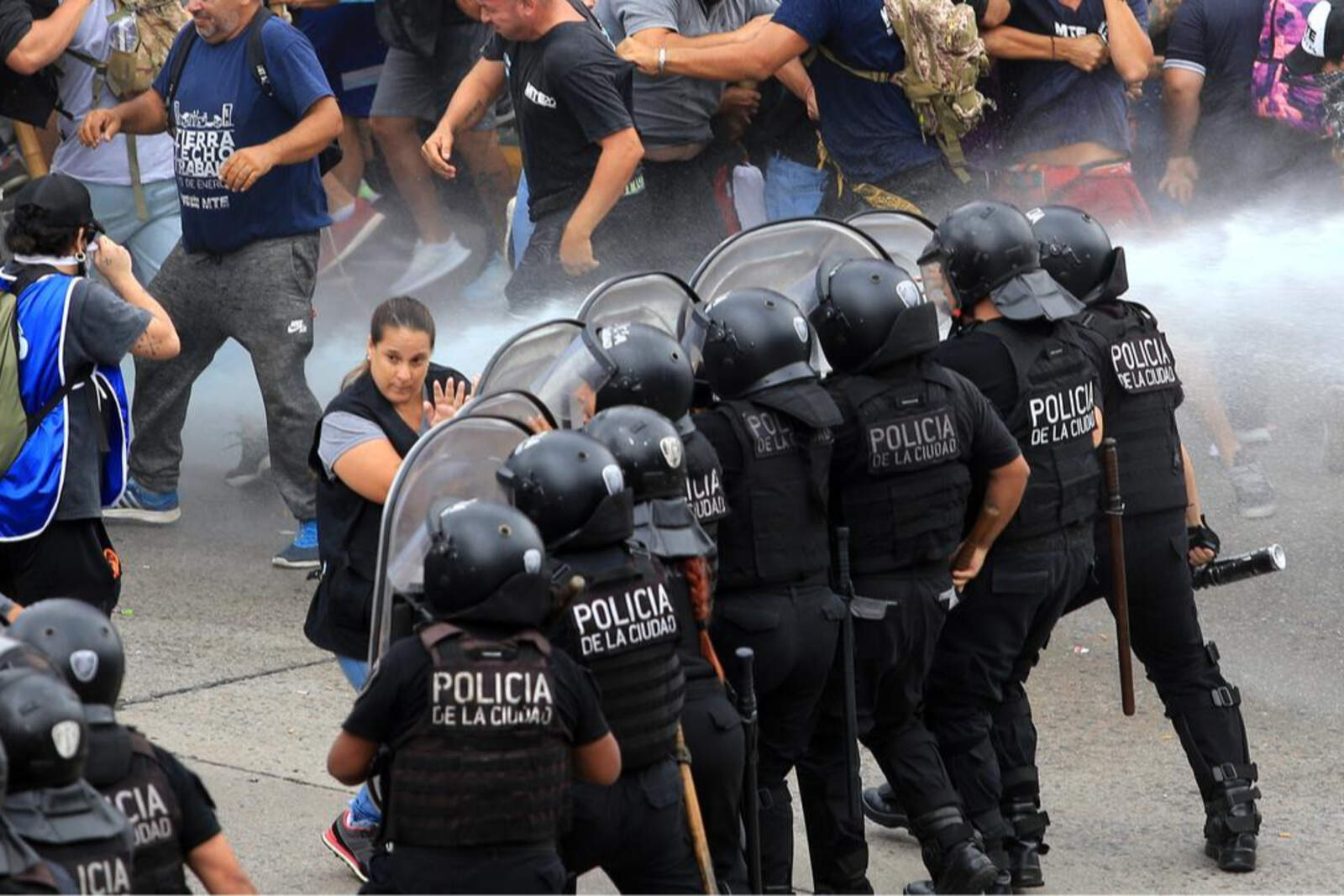
Despite the warnings, the demonstrators attempted to occupy the street, creating tense confrontations with the uniformed officers. The police replied with firmness, preventing the protest from disrupting traffic.
There were shoves, insults, and moments of high tension when some demonstrators pressed against the barricade. The presence of police motorcycles was key to keeping the main arteries clear.
The day unfolded under a climate of extreme tension, after two weeks marked by acts of violence. Fifteen days ago, the presence of hooligans caused disturbances of such magnitude that photographer Pablo Grillo was seriously injured and remains hospitalized.