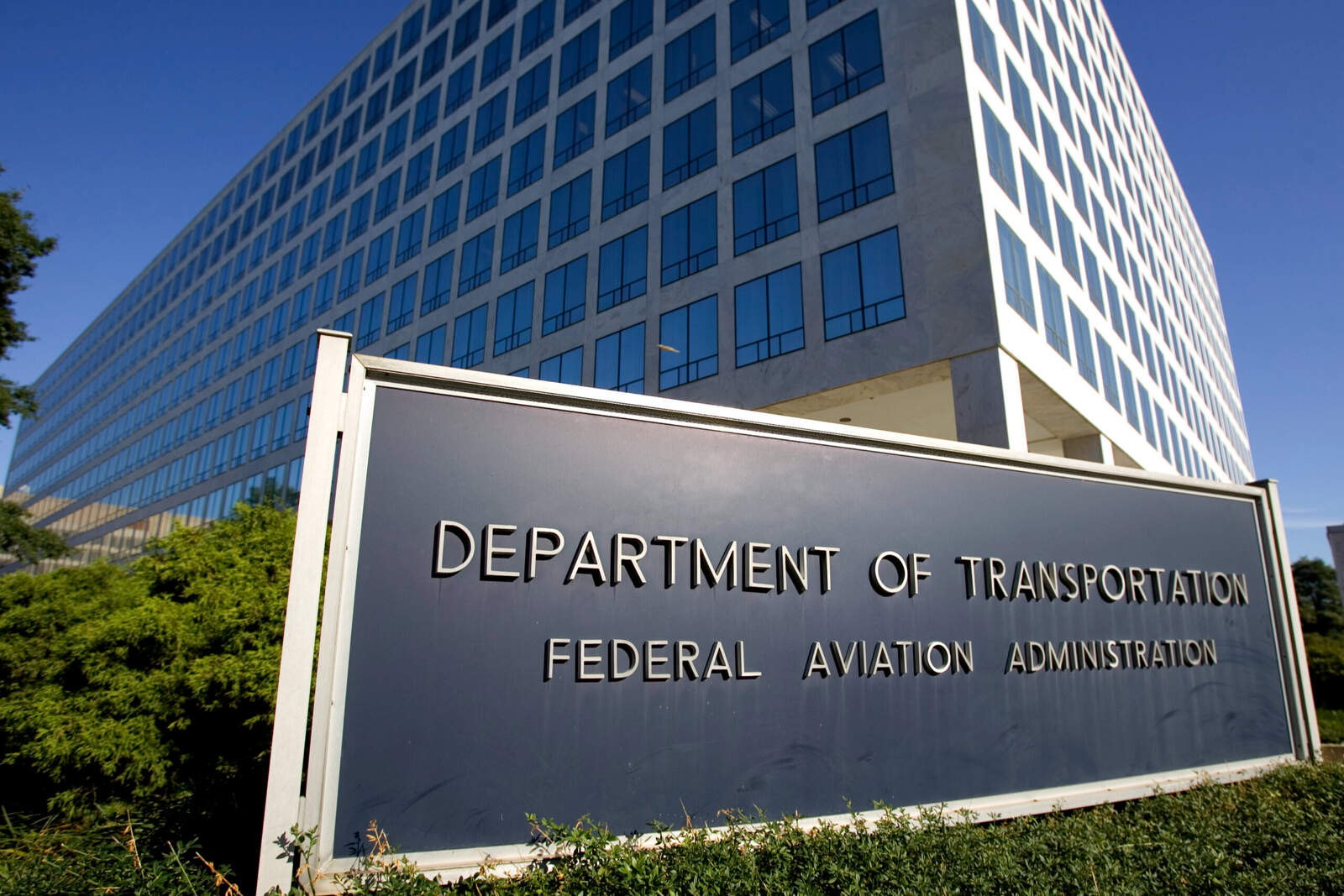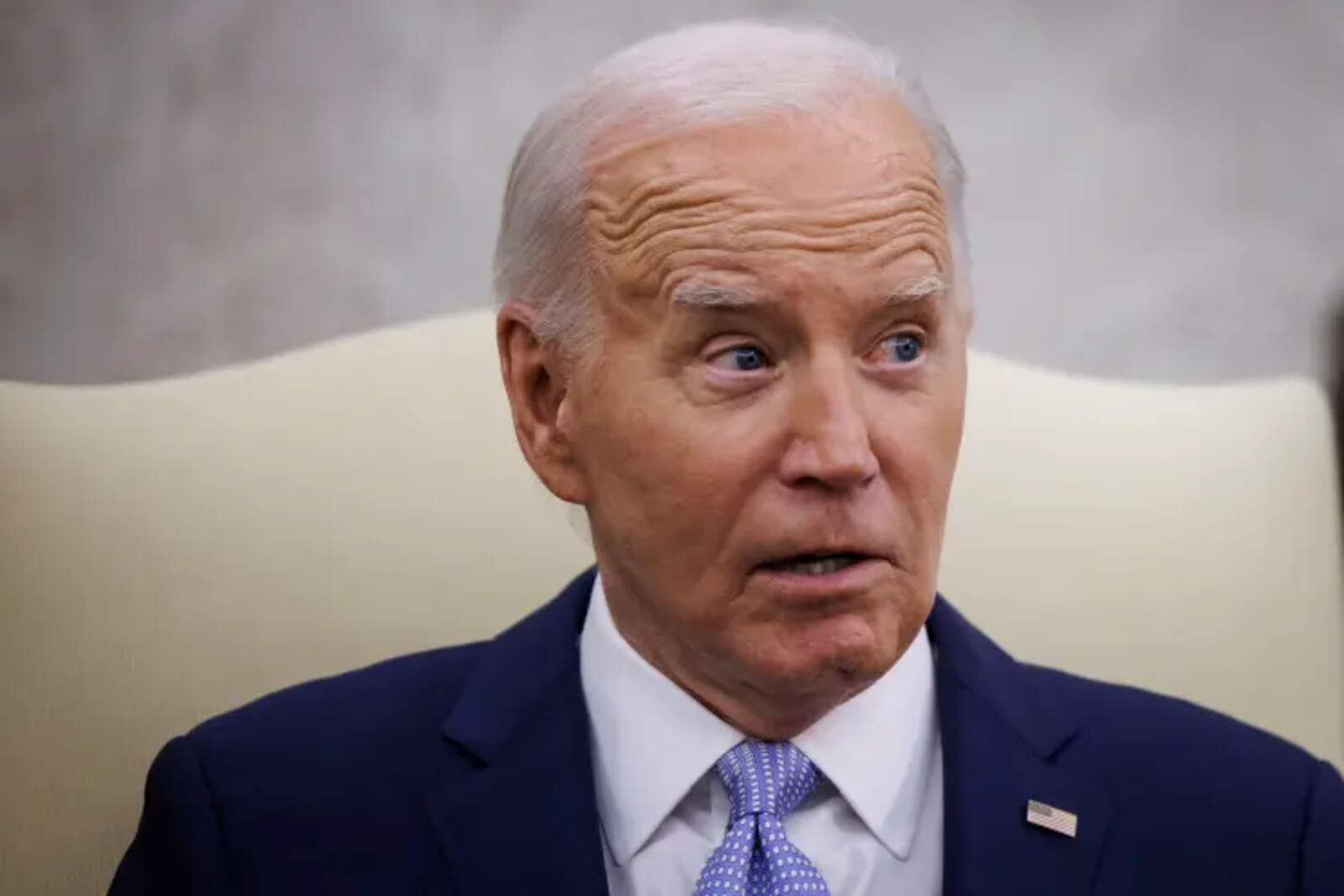

A report from the United States Senate caused strong criticism against the Biden administration, accusing it of having exerted pressure on airports across the country to convert aviation facilities into makeshift shelters for migrants, despite repeated internal warnings about risks to security and the functioning of air transportation.
The 47-page report, titled "Flight Risk," was published by the Senate Commerce Committee and indicates that the decision had been driven from the White House.
According to the document, the administration ordered the Department of Transportation (DOT) and several of its agencies, including the FAA, FMCSA, and FTA, to identify available spaces in federal and local airports to house or process newly arrived illegal immigrants.
Internal emails cited in the report reflect surprise and concern among staff: an FAA official described the request as an "immediate" instruction coming from the White House, while another DOT employee acknowledged that the measure was "potential Fox News material," showing that even within the federal apparatus there was awareness of the controversial nature of the directive.
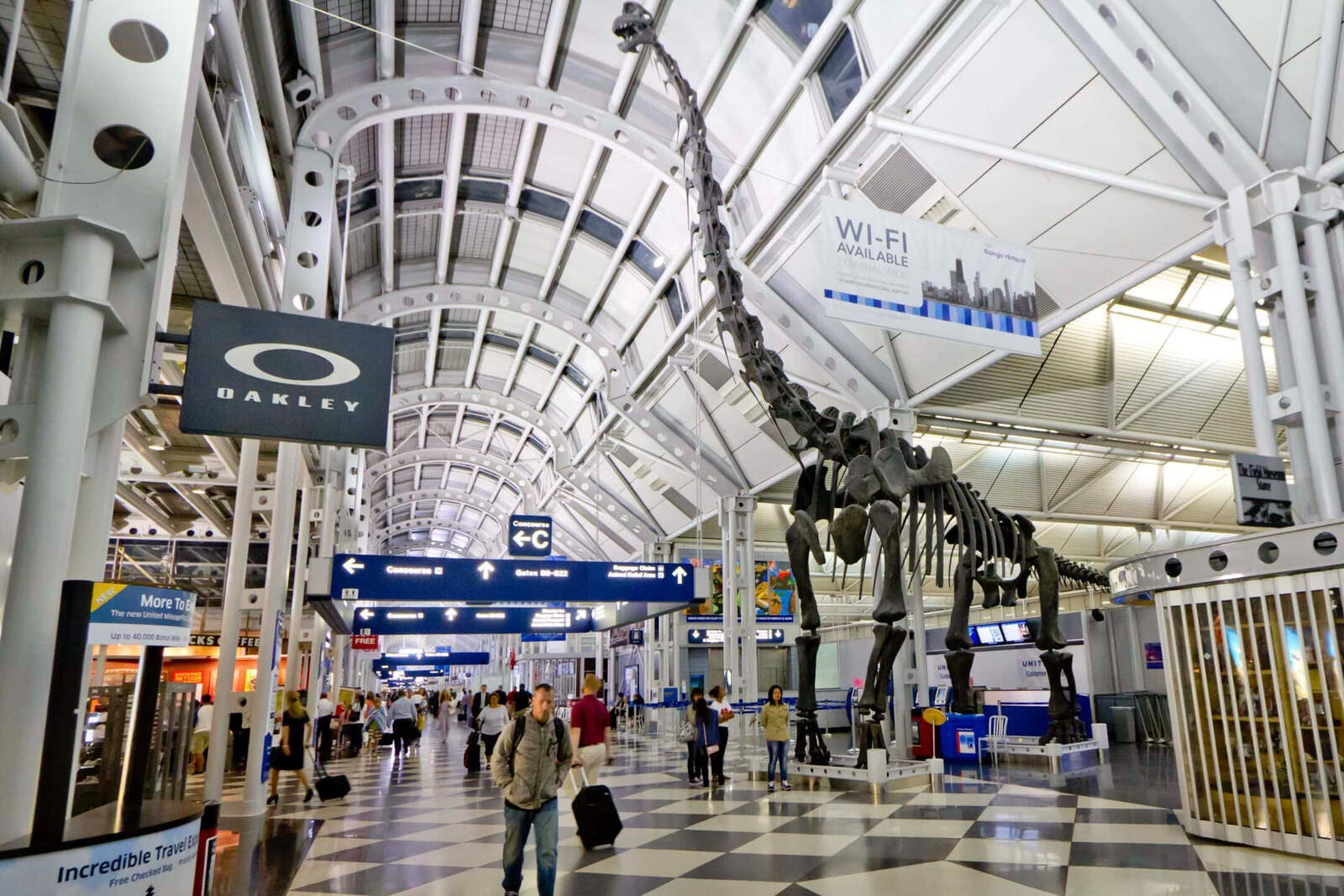
According to the report, at least 11 airports, including Logan (Boston), O'Hare (Chicago), and JFK (New York), were urged or pressured to enable terminals, hangars, or auxiliary buildings.
FAA officials acknowledged that this unconventional use of airport facilities would normally require formal authorization due to federal grant rules, but the committee states that such regulations were ignored "most of the time," which, according to investigators, exposed avoidable security vulnerabilities.
Warnings from the airports themselves would not have stopped the measure either. Massport, operator of Boston Logan, warned that the infrastructure "is not designed or equipped" to handle the reception of migrants and that the decision could create security consequences. Nevertheless, up to 352 migrants spent the night in Terminal E, generating expenses close to $780,000 solely for security, cleaning, and transportation.