The Argentine production of biodiiesel grew by 20% year-on-year during the second quarter of 2026 and reached 294,848 tons, according to the latest indicators report from the energy sector published by the National Institute of Statistics and Censuses (INDEC).
The volume represents a significant increase compared to the 245,707 tons produced between April and June of 2025. In turn, biodiesel shipments to the domestic market increased by 12.2% year-on-year, rising from 211,508 to 237,375 tons.
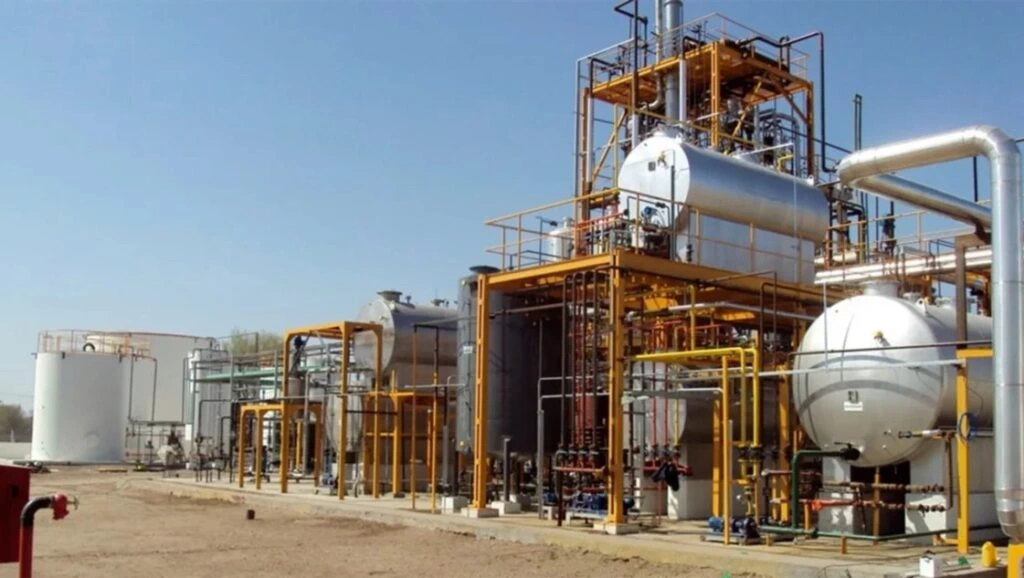
Biodiesel plant
The growth was recorded during the three months that make up the period. In April, 83,164 tons were produced, 26.5% more than a year ago; in May, it was 93,101 tons, with an improvement of 24.6%; and in June, production reached 118,584 tons, 12.7% above the same month in 2025.
The positive trend is also observed when expanding the comparison to the first half of the year. During the first three months of the year, 225,399 tons were produced, 12.5% more than in the same period of 2025. Thus, the accumulated production between January and June reached 520,247 tons, compared to 445,976 tons a year earlier, representing an approximate growth of 16.7%.
The biofuels reform advances in Congress
The new sector data comes as Congress debates a new regulatory framework for biofuels, which has already received half approval from the Senate with 41 affirmative votes and 25 negative votes and will now be addressed by the Chamber of Deputies.
One of the main changes proposed is to raise the mandatory biodiesel blend in diesel from 7.5% to 10%. For bioethanol, the percentage would increase from 12% to 15%. The project also includes a bidding system through a unique, transparent, and publicly accessible market for price formation.
The Senate approved the biofuels reform and the sector projects investments of USD 1 billion
According to estimates released by the Argentine Agroindustrial Council, the final approval of the new regime could mobilize private investments exceeding USD 1 billion aimed at expanding installed capacity, incorporating technology, improving logistical infrastructure, and developing new energy sources.
If approved in the Chamber of Deputies, the new regime would begin to gradually modify the market structure starting in 2027. The anticipated increase in the mandatory blend would expand the participation of biodiesel in the diesel marketed in the country, in a context where the sector's production has already shown double-digit growth without the impetus of the law.