The Federal Aviation Administration (FAA) of the United States has launched an investigation to determine the origin of a failure in the communication systems of air traffic control centers, an issue that forced the suspension of all departures at airports across the country on Friday for safety reasons.
The Secretary of Transportation, Sean Duffy, confirmed the interruption and noted that the agency's technical teams are working to identify what caused the problem and assess its impact on air operations. The suspension will remain in effect until further notice, while authorities attempt to establish when normal operating conditions can be restored.
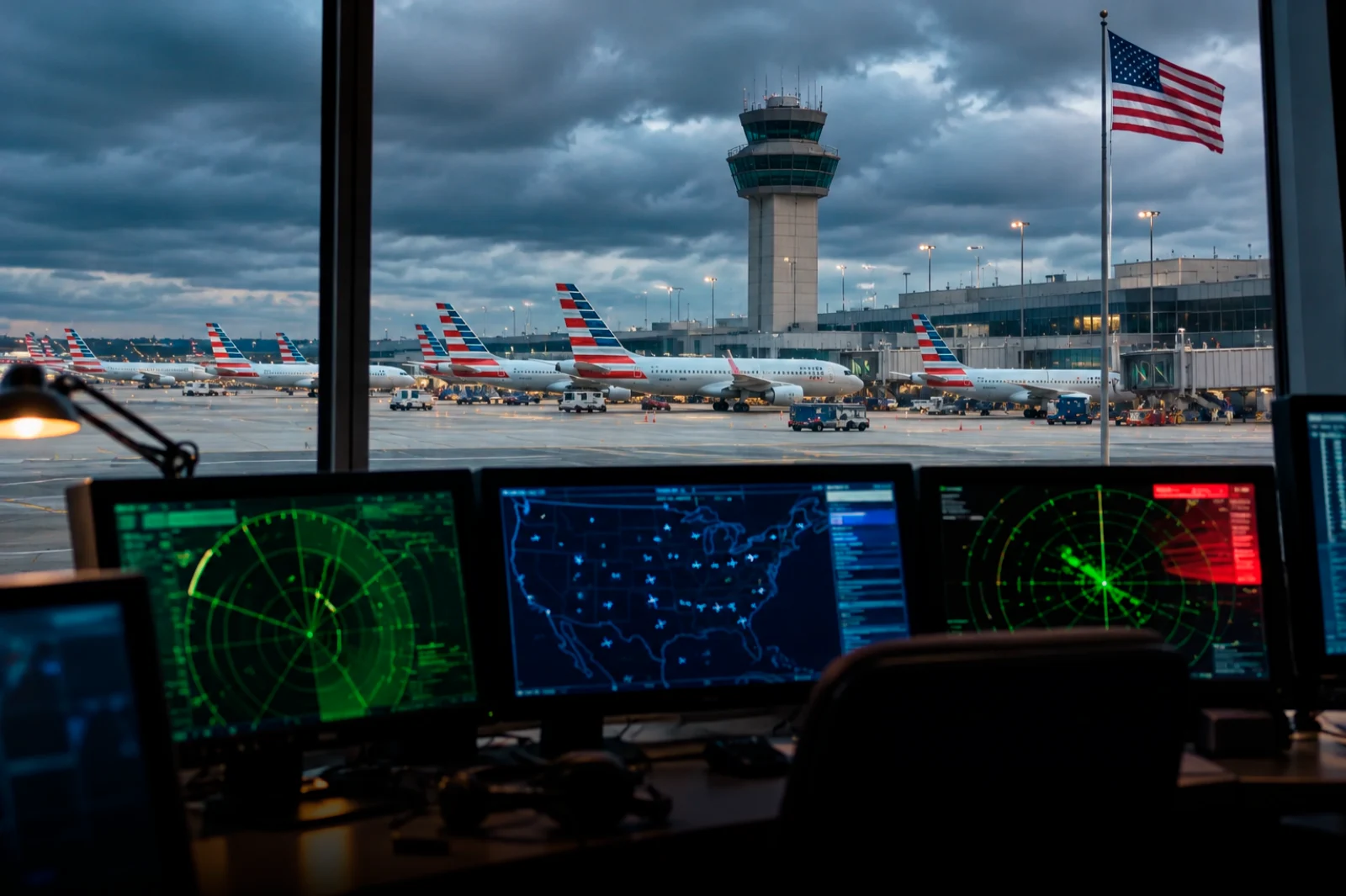
The investigation focuses on the communication problem affecting the centers responsible for coordinating air traffic. These systems play an essential role in ensuring the exchange of information between controllers and aircraft, as well as authorizing departures, organizing landings, and maintaining safe separations between planes.
The Federal Aviation Administration announced an investigation into the attack, which suspended thousands of flights in the United States, and the Secretary of Transportation assured that the impact on operations will be analyzed.
For the moment, the FAA has not provided details about the technical origin of the failure, its scope, or whether it is an issue of infrastructure, software, or equipment. It also has not set a timeline for completing diagnostic and repair tasks. The priority for specialists is to identify the point of origin of the interruption and determine if there are other components of the system that may be compromised.
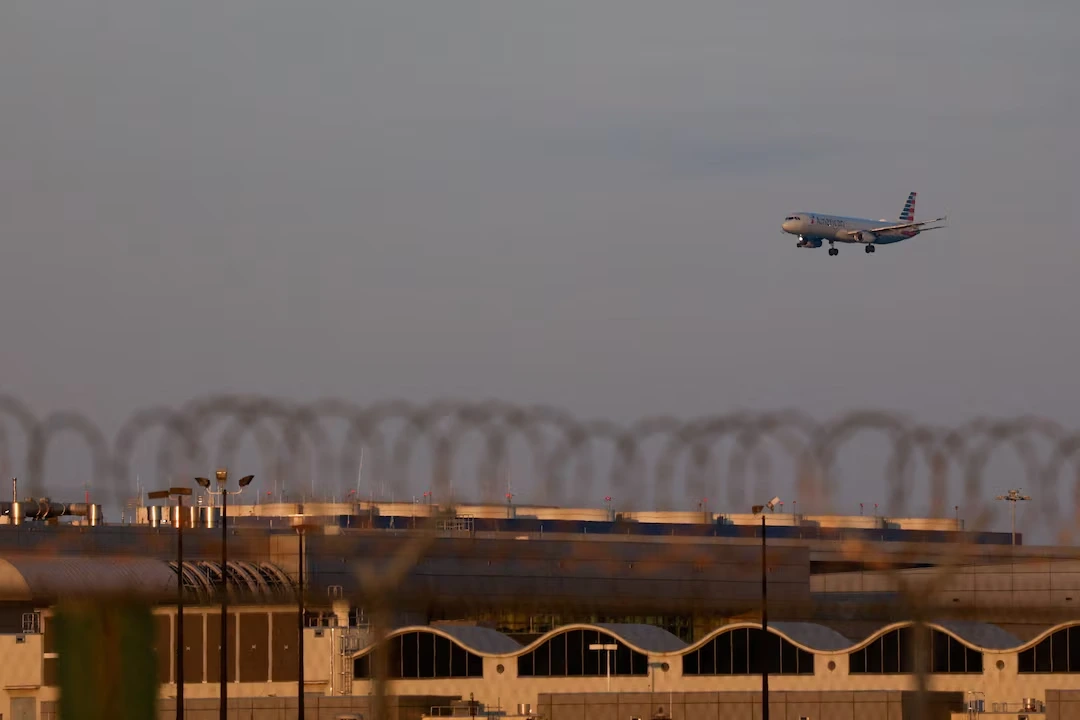
As a preventive measure, the agency ordered all flights that had not yet taken off to remain on the ground. In contrast, aircraft that were already in the air were authorized to complete their routes. International flights heading to the United States will be examined on a case-by-case basis, according to the FAA.
The decision has a potentially significant impact due to the size of the U.S. aviation system, which records an average of over 45,000 daily flights and transports approximately 2.9 million passengers per day. A prolonged interruption could lead to cancellations, delays, aircraft congestion at airports, and disruptions in domestic and international connections.
The FAA did not provide the root causes of the failure and did not determine until when the flight restriction will be extended.
The investigation will also need to determine whether the failure affects only the communications of certain control centers or if it compromises a broader infrastructure. This information will be crucial in defining the necessary conditions before allowing operations to resume on a widespread basis.
This incident represents the third general suspension of departures in the United States this century. The previous instances were the terrorist attacks of September 11, 2001, when authorities suspended air operations nationwide, and January 2023, when a computer failure in the FAA's air mission notification system temporarily halted departures.
Although both previous incidents involved different circumstances, both highlighted the importance of technological and communication systems in maintaining the operation of air transport.
This time, authorities will need to determine the specific causes of the issue before lifting the restrictions. The FAA maintains the suspension as a safety measure while its specialists work to locate the failure and verify that control systems can operate again without compromising flight safety.
This episode represents the third stoppage of flights nationwide so far in the 21st century