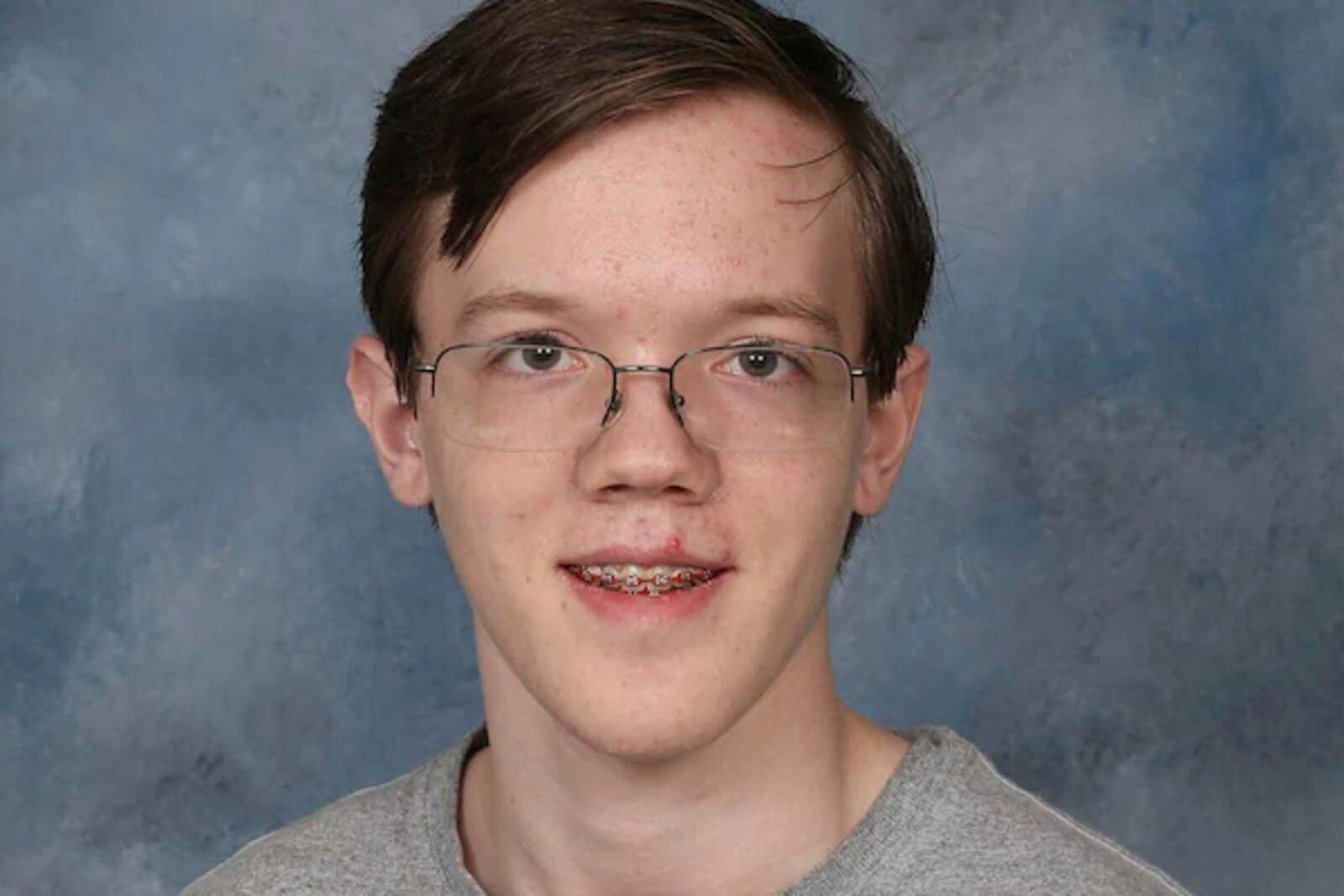
Sixteen months after the attack on Donald Trump in Butler, Pennsylvania, details about the striker,Thomas Matthew Crooks, continue to emerge, painting a deeply unstable, contradictory profile marked by violent radicalization that drew the attention of investigators.
As the public review of the events progresses, the focus has shifted to Crooks himself and the extreme evolution of his political thinking and online behavior prior to the attack.
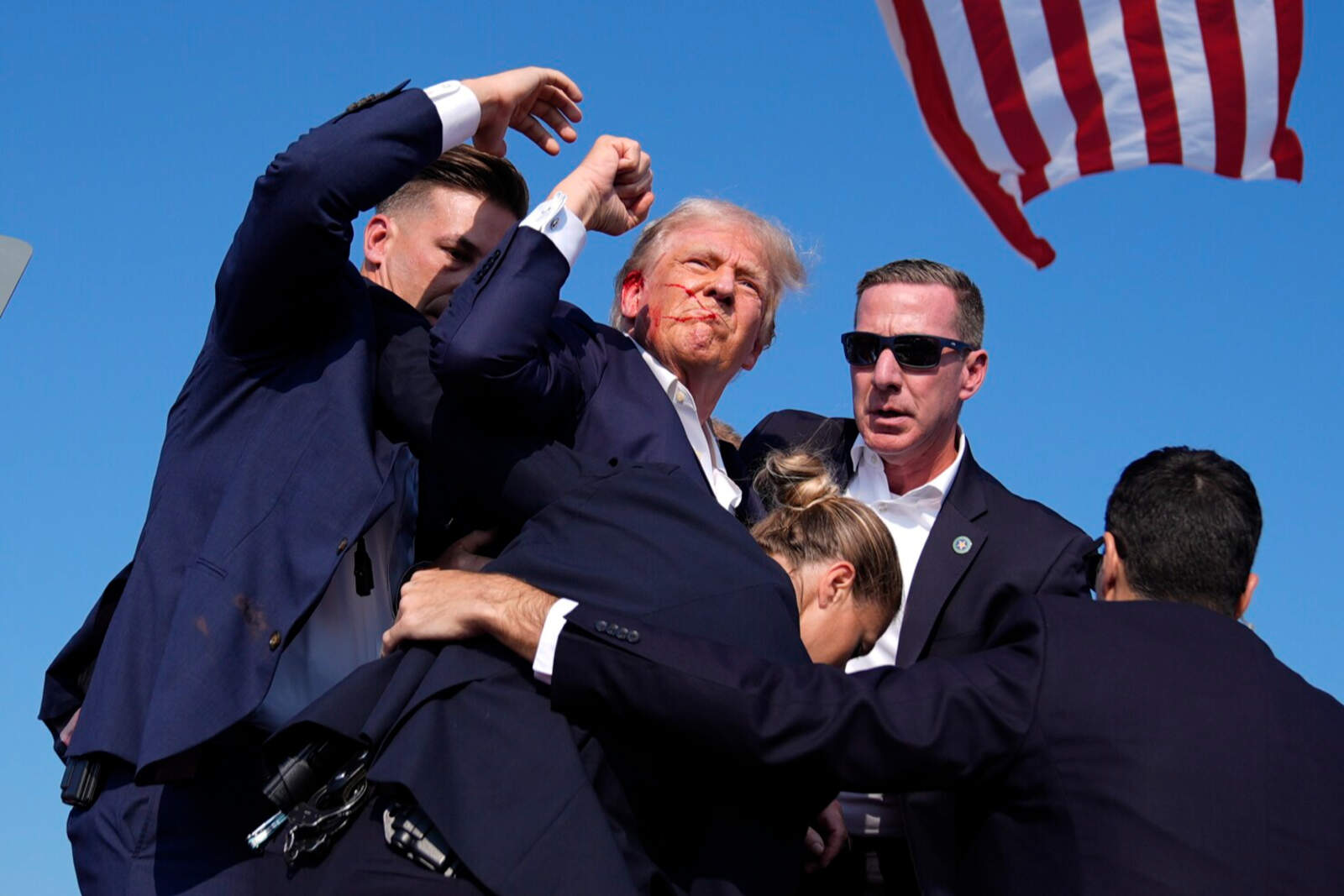
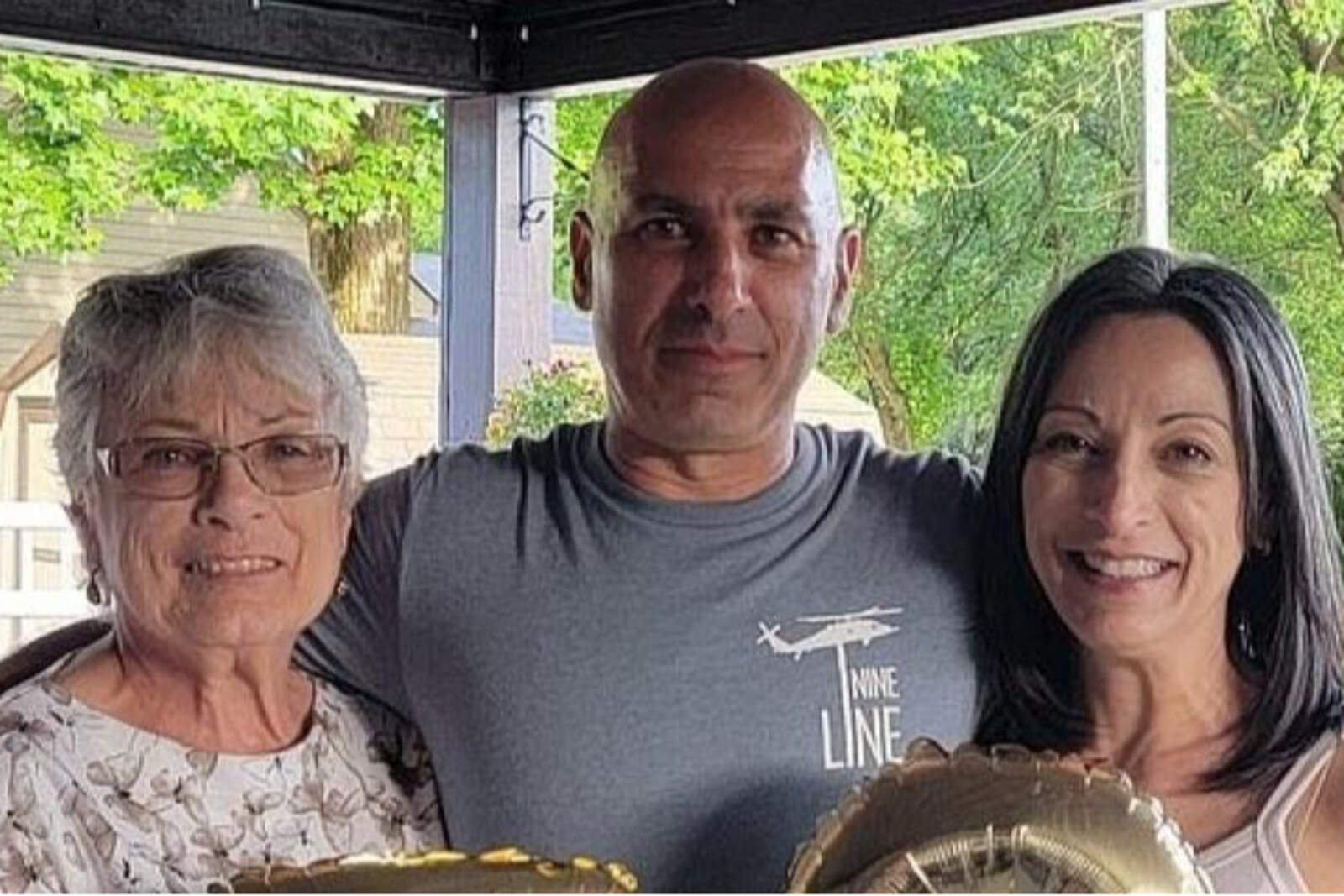
Crooks, 20 years old, fired eight times from the rooftop of a nearby building at Trump's rally on July 13, 2024, injuring the former president in the ear, killing Corey Comperatore, and injuring two other citizens.
His death by a Secret Service sniper's shot prevented a direct understanding of his motivations, but his reconstructed digital activity in the following months reveals a radically contradictory trajectory filled with violent messages.
Thomas Matthew Crooks atravesó una violenta radicalización de izquierda
A private source, using open archival tools, identified 17 Crooks accounts on platforms such as YouTube, Discord, Snapchat, Quora, GroupMe, Zelle, Venmo, and DeviantArt.
The recovered content shows an erratic and aggressive political discourse: first fervently pro-Trump, then viscerally anti-Trump, later shifting to reflections on domestic terrorism and fantasies of political assassinations.
At the beginning of 2020, he made a sharp turn: he called Trump "stupid," "racist," and accused his followers of behaving like a "cult." By mid-year, his rhetoric escalated: he defended terrorist tactics, clandestine attacks against political figures, and "war propaganda" as legitimate tools to "fight the government."
Crooks asesinó a Corey Comperatore en medio de su ataque contra el presidente Trump
Analysts who have reviewed the material agree that the aggressiveness, extremism, and obsession with political violence in Crooks's language are striking, especially because they appeared under his real name and with an increasingly uninhibited tone.
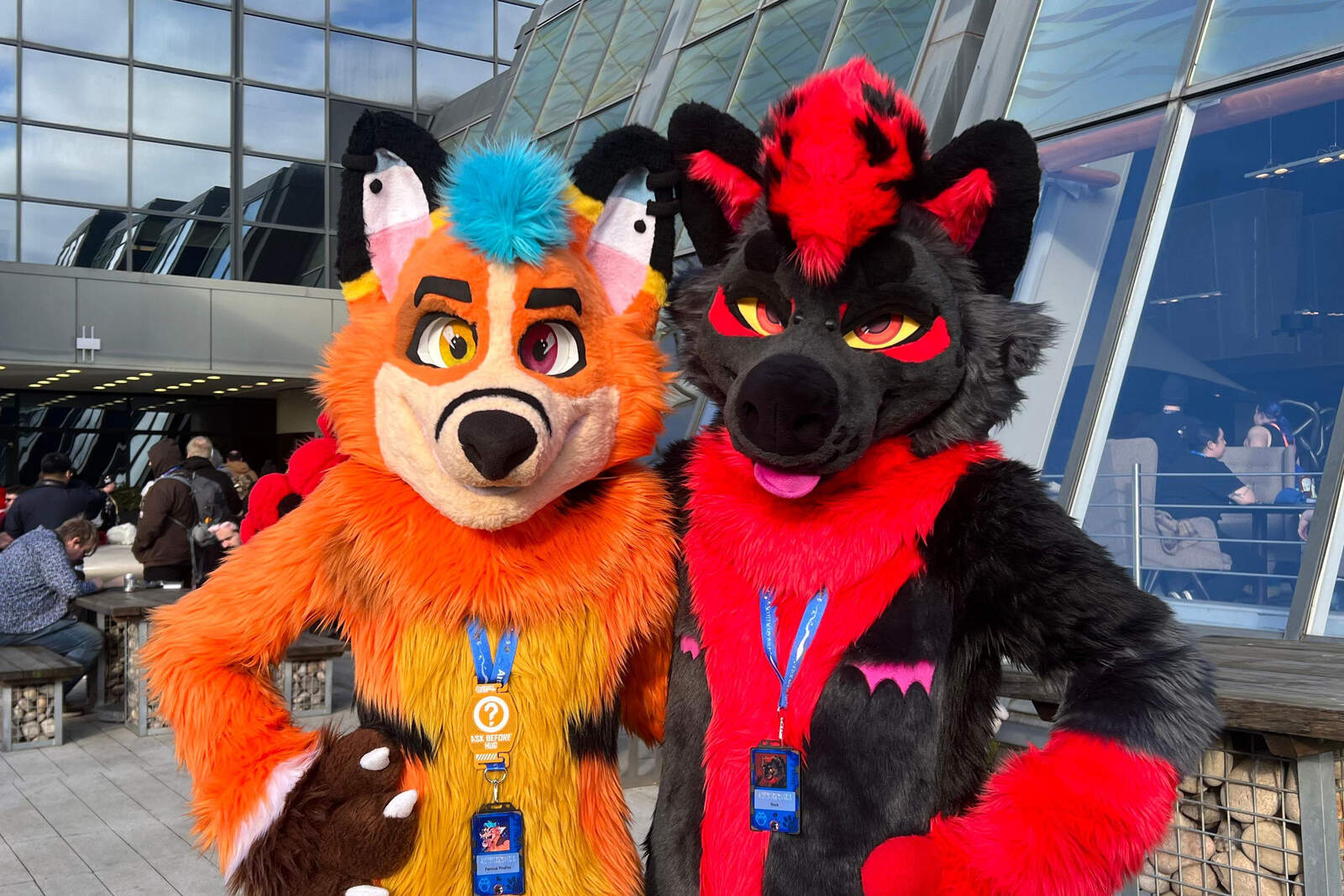
Another aspect of his digital life that has drawn attention is his immersion in "furry" communities and in gender identity exploration forums. His DeviantArt accounts, under the aliases "epicmicrowave" and "theepicmicrowave," show an obsessive interest in sexualized anthropomorphic characters, hybrid bodies, and muscular figures with feminine traits, along with the use of "they/them" pronouns.
Experts consulted indicate that, in combination with his violent rhetoric and ideological contradictions, these elements reinforce the image of an emotionally unstable young man, immersed in parallel worlds and with identity difficulties that could have amplified his vulnerability to leftist radicalization.
Crooks tenía una obsesión con las fantasías ''furras''
An additional detail that has drawn the attention of private investigators is the presence of the name Rod Swanson, a former FBI agent, used as an alias on a PayPal account associated with Crooks.
Swanson denied any connection with him and stated that he doesn't use that service, so it is considered likely that Crooks adopted his name as a joke, a form of provocation, or a fantasy related to authority figures. The gesture, although it doesn't imply any real connection, once again underscores the striker's volatile and chaotic personality.
Crooks also interacted online with radicalized individuals, including "Willy Tepes," a member of the neo-Nazi group Nordic Resistance Movement, classified as a terrorist organization by the State Department. In those conversations, the idea of violence as a political path was reinforced, which appears to have influenced the most extreme messages published by Crooks in the summer of 2020.
El maniático atacante nombró a agentes del FBI en varias redes sociales
After these exchanges, Crooks virtually disappeared from the digital sphere, a silence that contrasts with the frenetic activity of previous months and has been the subject of analysis to understand what might have occurred in his final radicalization process.
The newly reconstructed elements allow for a clearer observation of a distinct pattern: Crooks displayed an unstable personality, an obsessive relationship with marginal online communities, deep political contradictions, and a growing enthusiasm for extremist socialist violence.