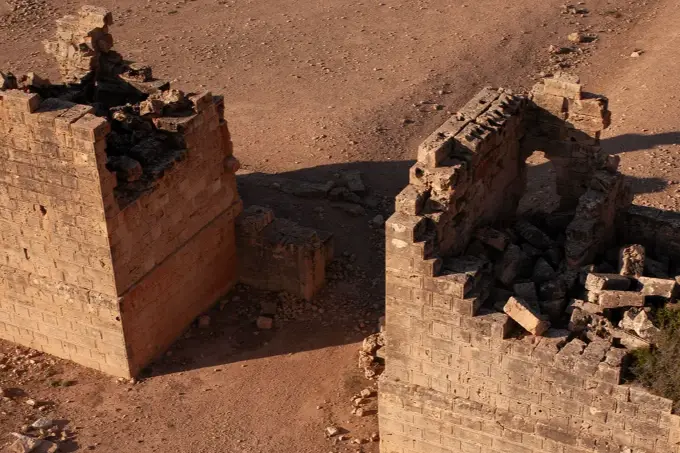

In the ancient city of Ptolemais, in present-day Libya, a series of symbols engraved on the stone blocks of the Tauchira Gate held a mystery for over a century that is just now beginning to be unveiled. Archaeologist Anna Urszula Kordas from the University of Warsaw managed to organize and interpret 626 inscriptions that had not been systematically studied until now.
Visitors to the site had long noticed these strange marks on the stones of the city's defenses, but no one had analyzed them in depth. Kordas worked from photographs and used digital mapping software to classify the set of symbols into two main groups with distinct functions.
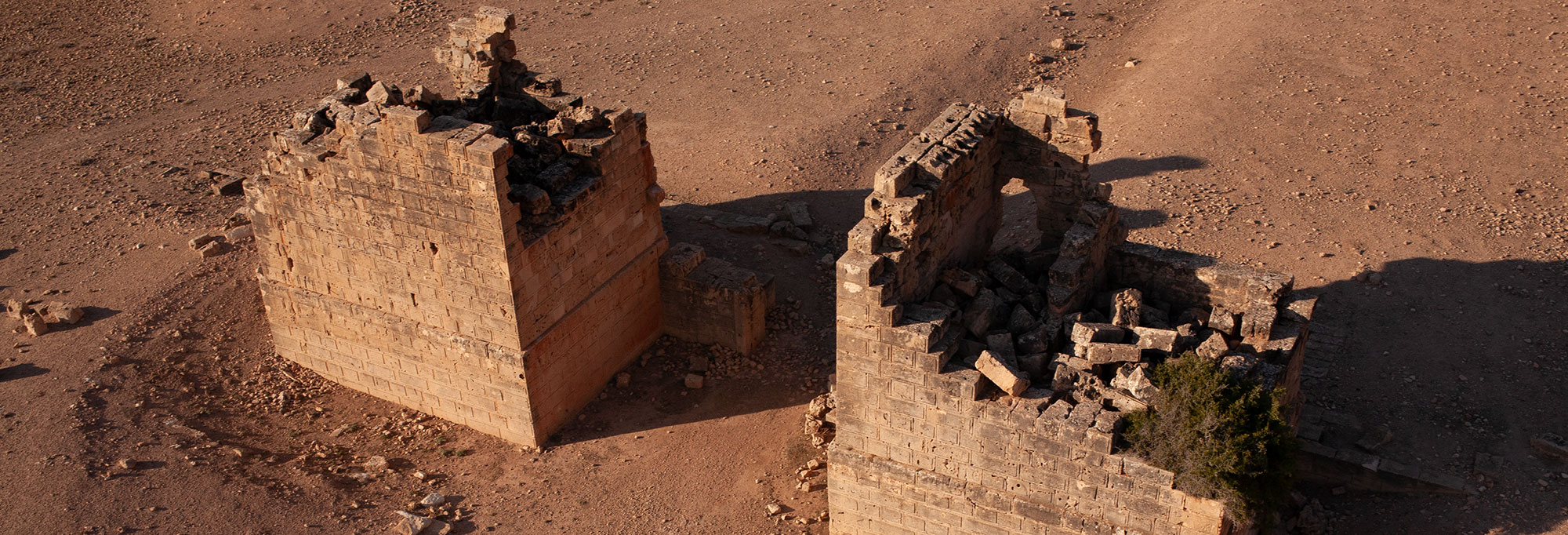 The first group consists of rough engravings that appear irregularly on unfinished or unrefined blocks. These signs were made before the stones were placed in their final position and, therefore, were mostly hidden from view. According to the researcher, they conveyed practical information about the extraction and transportation of raw materials.
Within this set, a system of seven letters from the Greek alphabet—from alpha to eta—could identify seven different construction teams responsible for quarrying, transporting, and placing the blocks. This organization suggests coordinated and specialized work on the project.
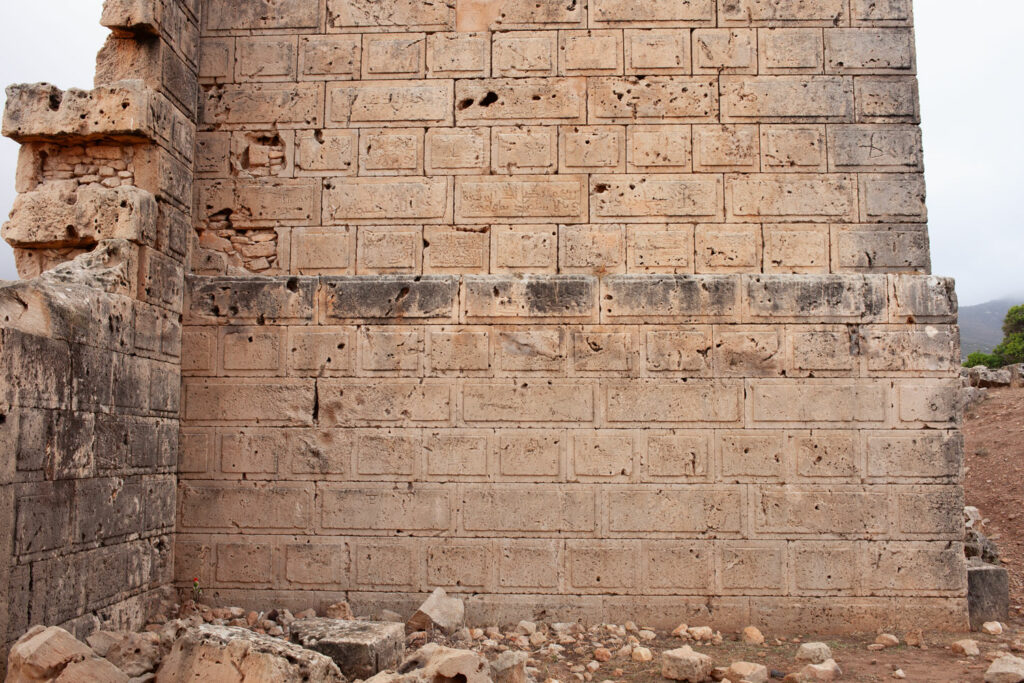 Visible Symbols and Possible Patrons
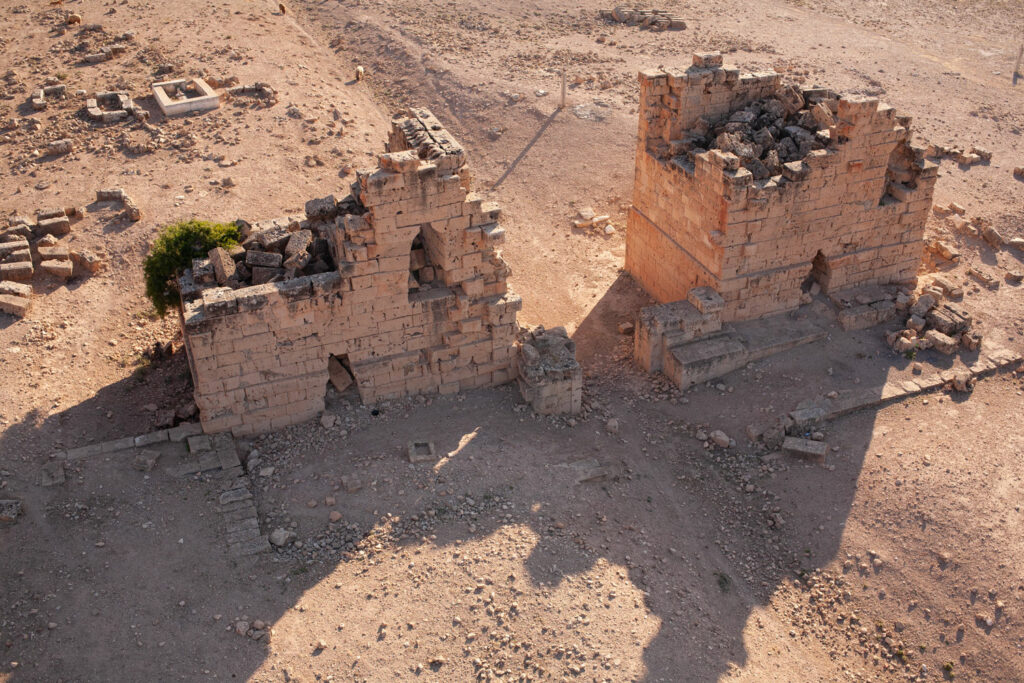 The study provides a unique insight into the organization of work and funding for large defensive works in the Hellenistic world. The marks not only served for internal control of the project but could also function as a form of public recognition for those who participated or contributed resources.









