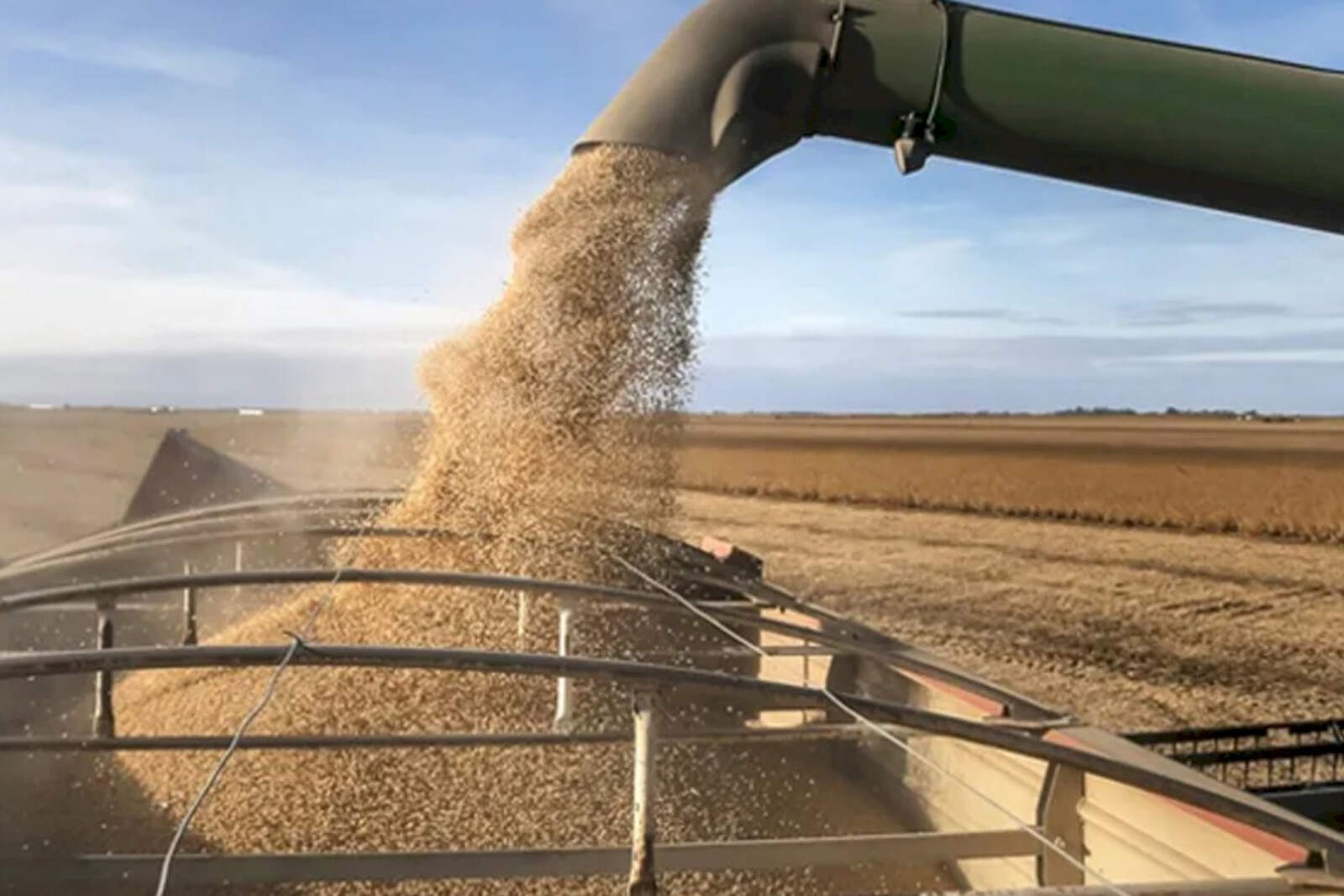
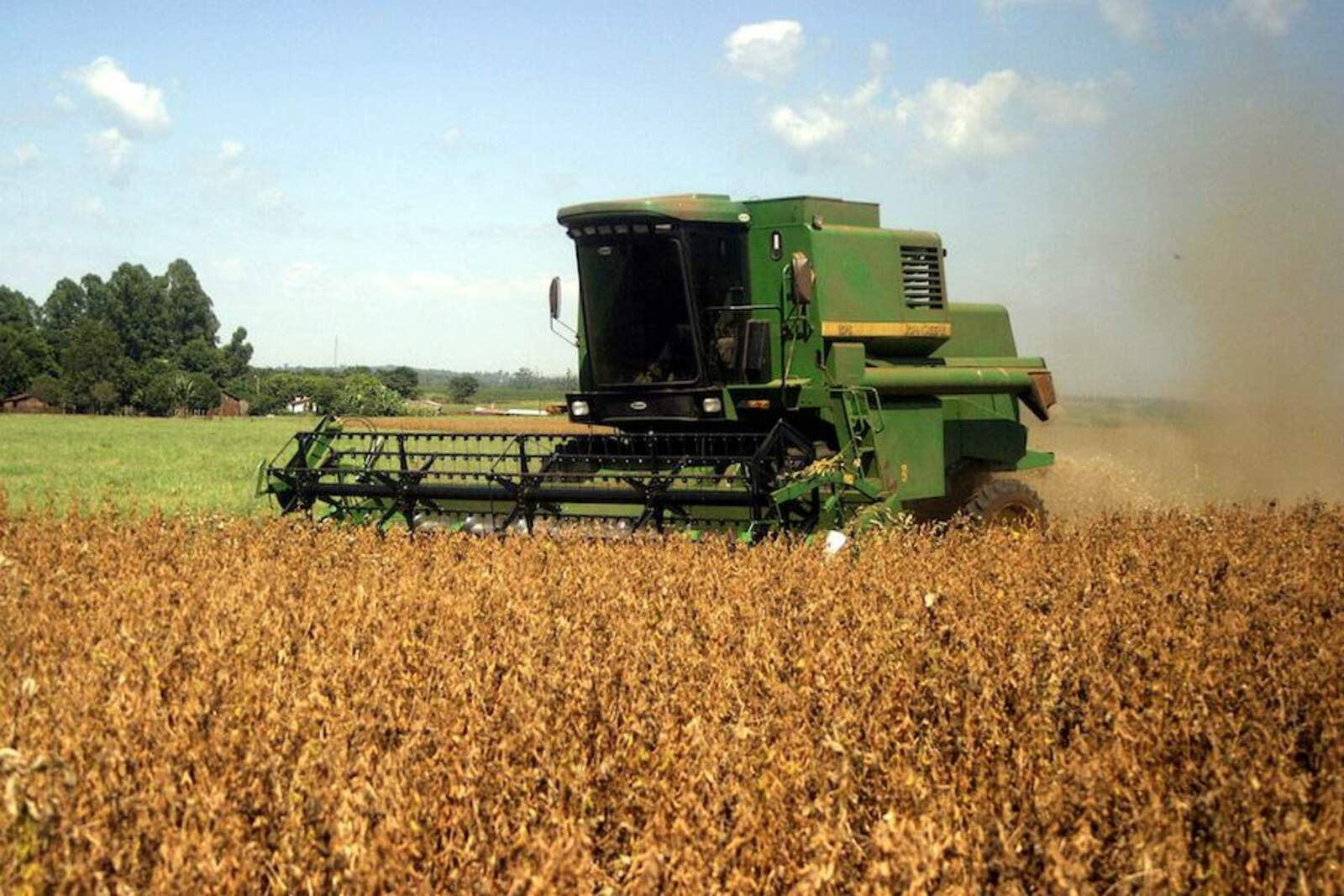
The Argentine agro-export sector closed April with a foreign exchange income of 2.524 billion dollars, representing a marked 32% increase compared to the same month in 2024 and a 34% increase compared to March, according to the Argentine Oil Industry Chamber (CIARA) and the Cereal Exporters Center (CEC) reported this Friday. This remarkable performance brought the total accumulated for the year, corresponding to the first four months of 2025, to 8.658 billion dollars, implying a 35% increase compared to the same period last year. It is an encouraging sign for the national economy, given that the agro-industrial complex is one of the main generators of genuine foreign exchange for the country. La cosecha del campo. The increase is attributed to a combination of factors that positively impacted the sector. Among them, the reduction of export duties by the Government of Javier Milei, through Decree 38/25, which relieved the tax burden on companies in the sector, stands out. The elimination of the exchange rate cap and the establishment of the new exchange rate regime, which provides greater predictability and competitiveness to exporters, as well as the start of the main harvest —mainly soybeans— which reactivated external operations since the end of April, also influenced. Javier Milei, presidente de Argentina. CIARA-CEC emphasized that export revenues are essential to sustain the flow of the local commercial chain, allowing the purchase of grains from producers at the best possible price. However, they warned that a significant proportion of foreign exchange settlement is carried out before the export is completed, which can distort monthly or annual statistical comparisons. In 2024, the oilseed-cereal complex —which includes products such as biodiesel, soybean meal and oil, and corn— represented 45% of the total exported by Argentina, consolidating itself as the main driver of foreign trade. However, the sector insists that production and external sales continue to be limited by external factors such as international price volatility, regulatory restrictions inherited from Kirchnerism, adverse weather, and labor conflicts.