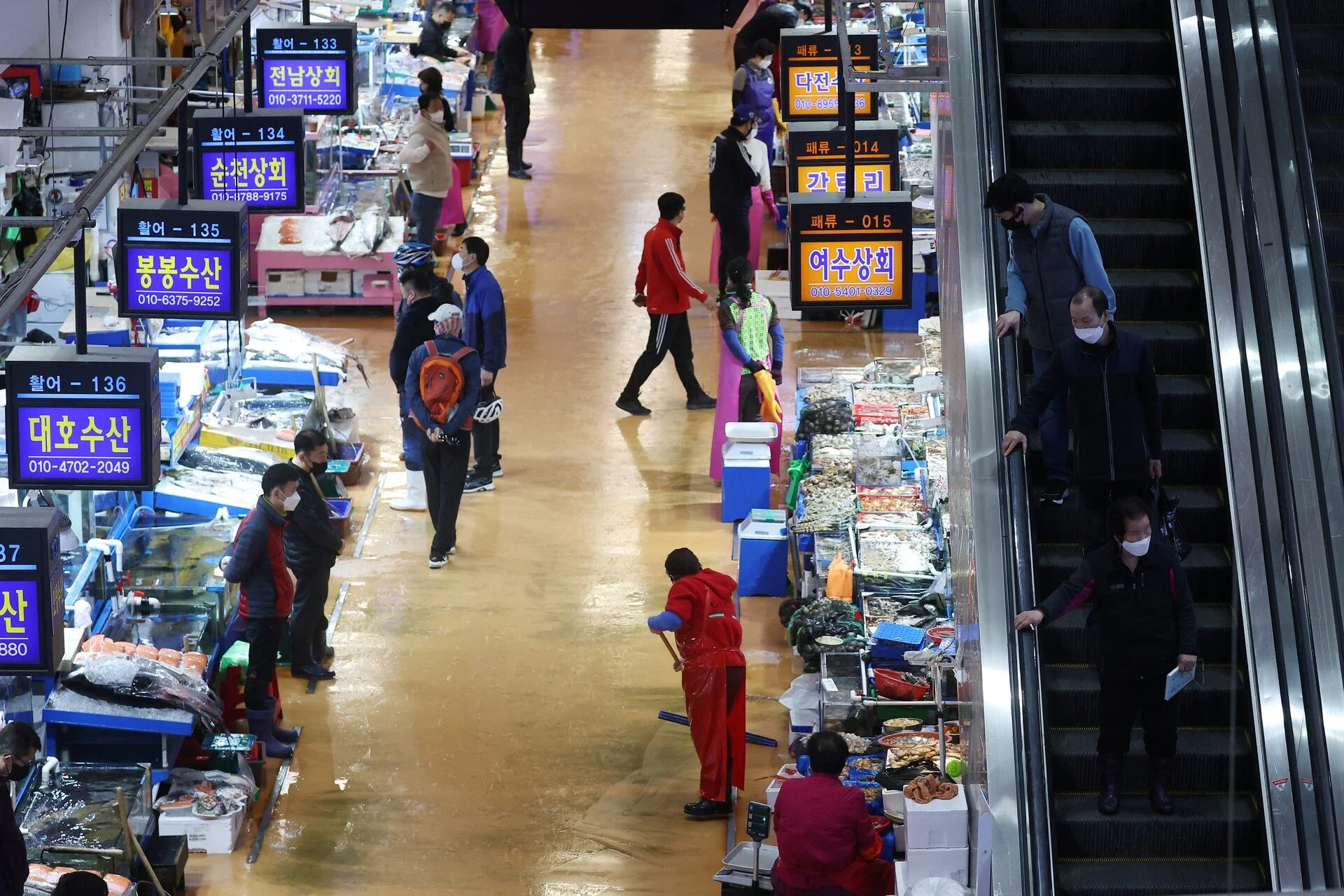
Inflation in South Korea reached its highest level in over two years in May, driven mainly by rising energy costs stemming from geopolitical tensions in the Middle East, a scenario that strengthens expectations of an upcoming interest rate hike by the Bank of Korea.
According to data released this Tuesday by the Ministry of Data and Statistics, the consumer price index increased by 3.1% compared to the same month last year. This figure represents a significant acceleration from the 2.6% recorded in April and constitutes the largest increase since March 2024.
The result also exceeded economists' forecasts, who expected inflation to be close to 3%, reflecting the growing impact of high energy costs on the South Korean economy.
The consumer price index of South Korea increased by 3.1%, the highest recorded in recent years.
The main factor behind the surge was the strong increase in fuel prices. Petroleum products recorded an annual increase of 24.2%, while international airfares rose by 33.5% compared to the same period last year.
The escalation of energy costs is closely linked to instability in the Middle East, among other factors. The clashes between Iran, Israel, and other regional actors have generated volatility in international oil markets, particularly affecting countries highly dependent on energy imports like South Korea.
Following the release of the data, the Bank of Korea warned that inflation is likely to remain around 3% in the coming months as the rise in oil prices continues to spill over into other sectors of the economy.
The monetary authority had already raised its inflation forecast for 2026 from 2.2% to 2.7% last week, a revision that reflects growing concern over inflationary pressures stemming from the international context.
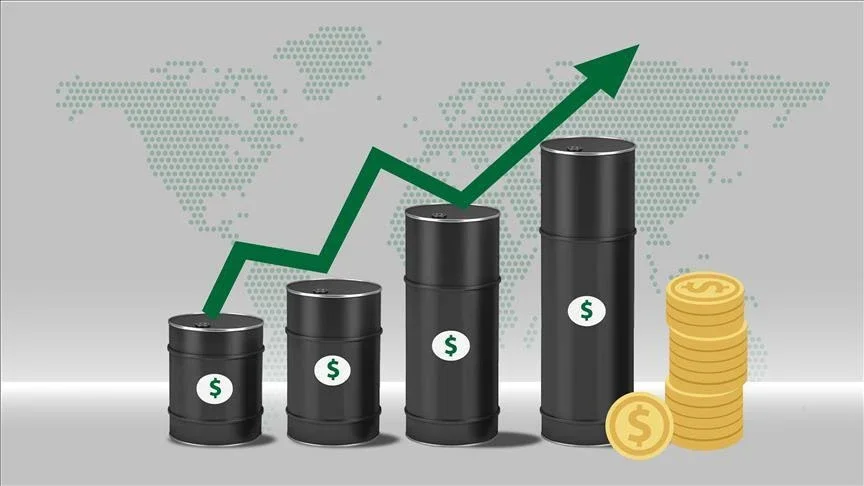
Oil prices have been a factor that has contributed to the widespread increase in prices.
Markets interpreted these signals as confirmation that the central bank is preparing to adopt a more restrictive stance. The next monetary policy meeting is scheduled for July 16, and many analysts consider a rate hike likely if the inflationary trend persists.
Concern was also reflected in financial markets. The yield on South Korean Treasury bonds most sensitive to monetary policy decisions rose six basis points to 3.847%, its highest level since November 2023.
Another data point that caught analysts' attention was the behavior of core inflation, which excludes food and energy. This indicator increased to 2.5% from 2.2% recorded in April, reaching its highest level since February 2024 and suggesting that inflationary pressures are beginning to extend beyond the sectors directly affected by oil.
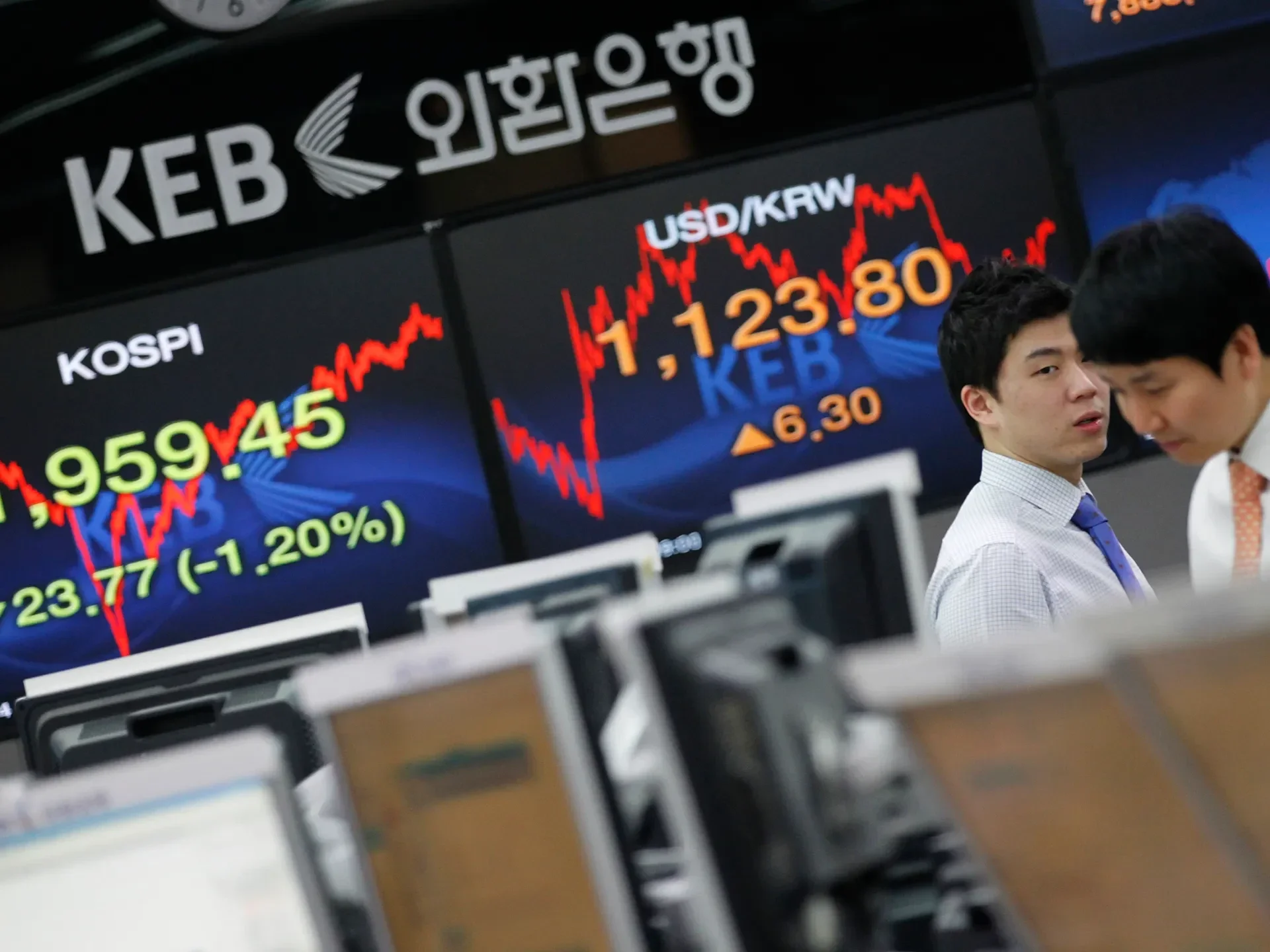
The financial markets of South Korea reacted with low expectations, and the central bank is preparing to take more restrictive positions.
On a monthly basis, prices increased by 0.5%, maintaining the same pace observed in April and exceeding market expectations.
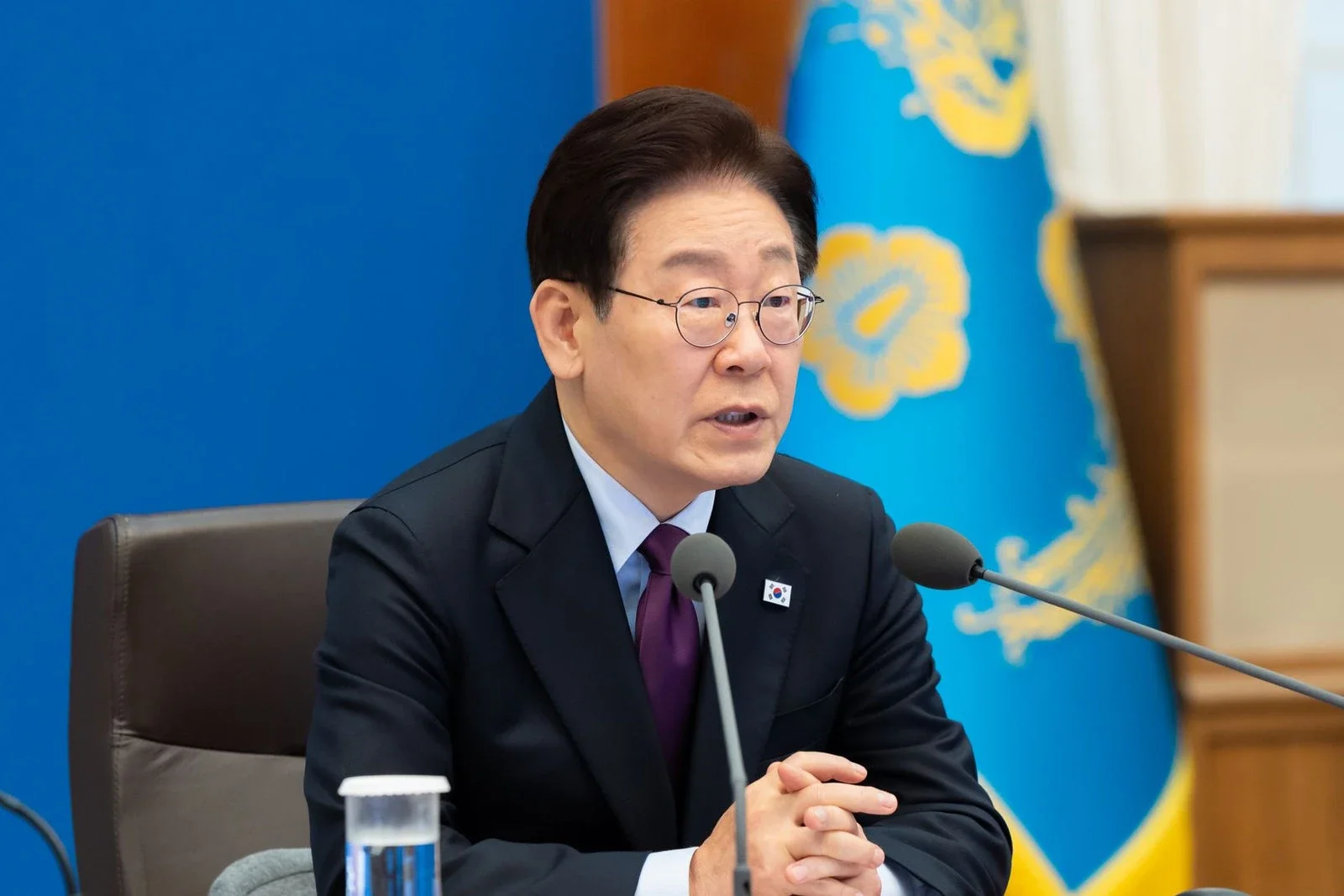
The surge in inflation has also reignited criticism against the government of communist President Lee Jae Myung, who came to power with the promise of alleviating the cost of living and strengthening the economy in the face of external turmoil.
Opposition sectors and several economic analysts argue that the administration has not taken sufficient measures to protect households from rising prices or to reduce the country's vulnerability to international energy fluctuations.
The communist Lee Jae-myung has faced harsh criticism following his unfulfilled promises to keep the economic situation under control.