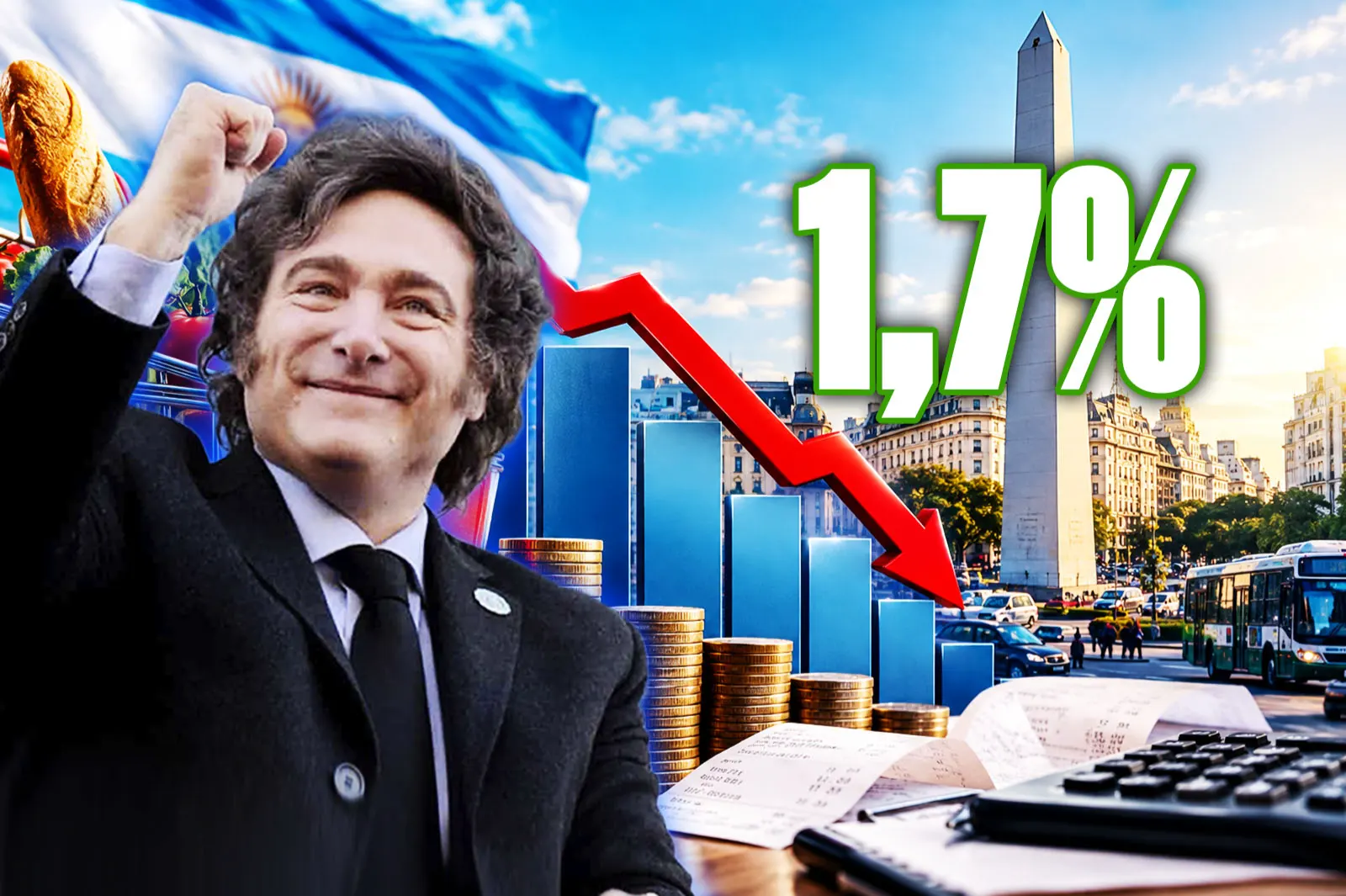

While much of the public debate continues to revolve around perceptions, scandals or conjunctural tensions, there is one fact that messes up the board. Poverty is falling, not marginally but significantly. At the same time, inflation is falling and the State stops spending what it doesn't have. For the first time in a long time, the economic program shows measurable results. However, something doesn't fit. This improvement in the indicators does not translate linearly into political support. The presidential image fluctuates, unrest persists in part of the population and the opposition does not retreat. The question, then, is not economic. It's political.
No order can be sustained by results alone. It is held when individuals come to consider it legitimate. Economics can order variables, but it doesn't explain why people accept—or reject—that order based on their own assessments. This terrain is not technical, it is ideological. For years, Argentine politics operated under a familiar logic: expanding spending, sustaining artificial consumption and financing the imbalance with inflation. That model not only organized the economy, it also offered a narrative that made it tolerable for millions of people. The cost didn't go away; it was hidden, it was deferred, it was liquefied. Plunder did not cease to exist, it simply became less visible to those
who suffered it.The current program breaks with that logic. Order, crop, delete privileges. But in doing so, it also breaks something deeper: the belief system that justified that scheme in the minds of many individuals. And that's where the real conflict comes in. It's not that there's a lack of communication. The thing is that, when the narrative that legitimized disorder breaks down, what is exposed is the very nature of the system. The tension is not between data and collective perception. It is between an order that begins to show results and another that loses the ability to be justified in individual terms