Another aspect that raises questions is the continued use of the death penalty for economic crimes. While numerous countries have abolished this punishment or restricted its application to extremely serious offenses, China maintains the possibility of executing individuals convicted of corruption when the amounts involved are particularly high. International human rights organizations have repeatedly urged Beijing to abolish this practice, considering it violates the right to life and lacks proven deterrent effect.
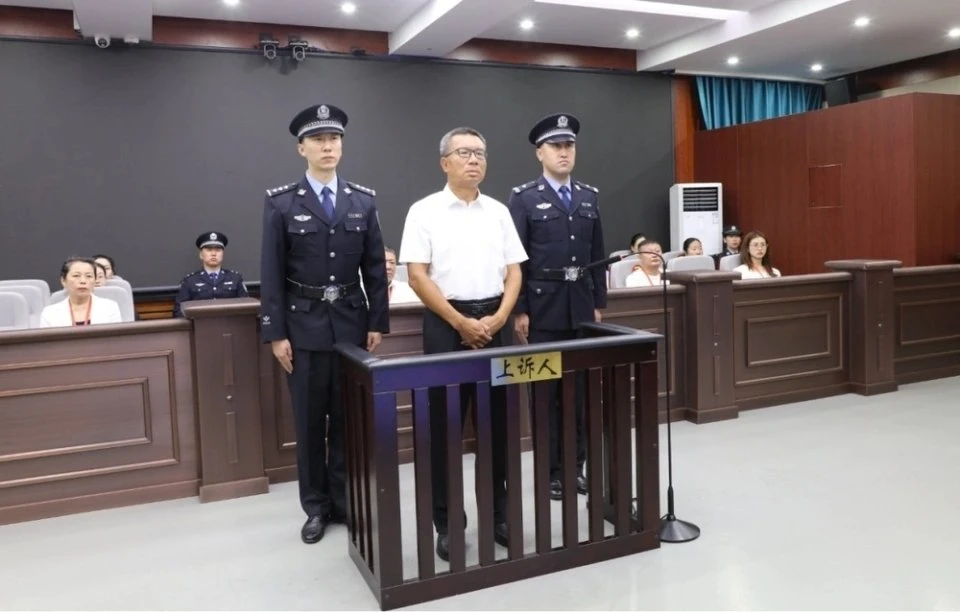
A court in the city of Changzhou, in eastern China, sentenced former official Yang Youlin to death after finding him guilty of accepting bribes totaling more than 2.2 billion yuan (about 325 million dollars) over three decades, in one of the largest corruption cases known in the country in recent years.
Yang, 69, held various positions in the Nanjing administration between 1993 and 2023. According to the ruling, he used the authority derived from his roles to favor companies and individuals in the awarding of engineering contracts, land transfers, and access to financing, receiving large sums of money and high-value goods in return.
In addition to the bribery charge, he was found guilty of embezzlement, abuse of power, and money laundering. The court stated that his actions caused enormous losses to the state and described the facts as "extremely serious," thus justifying the imposition of the death penalty.
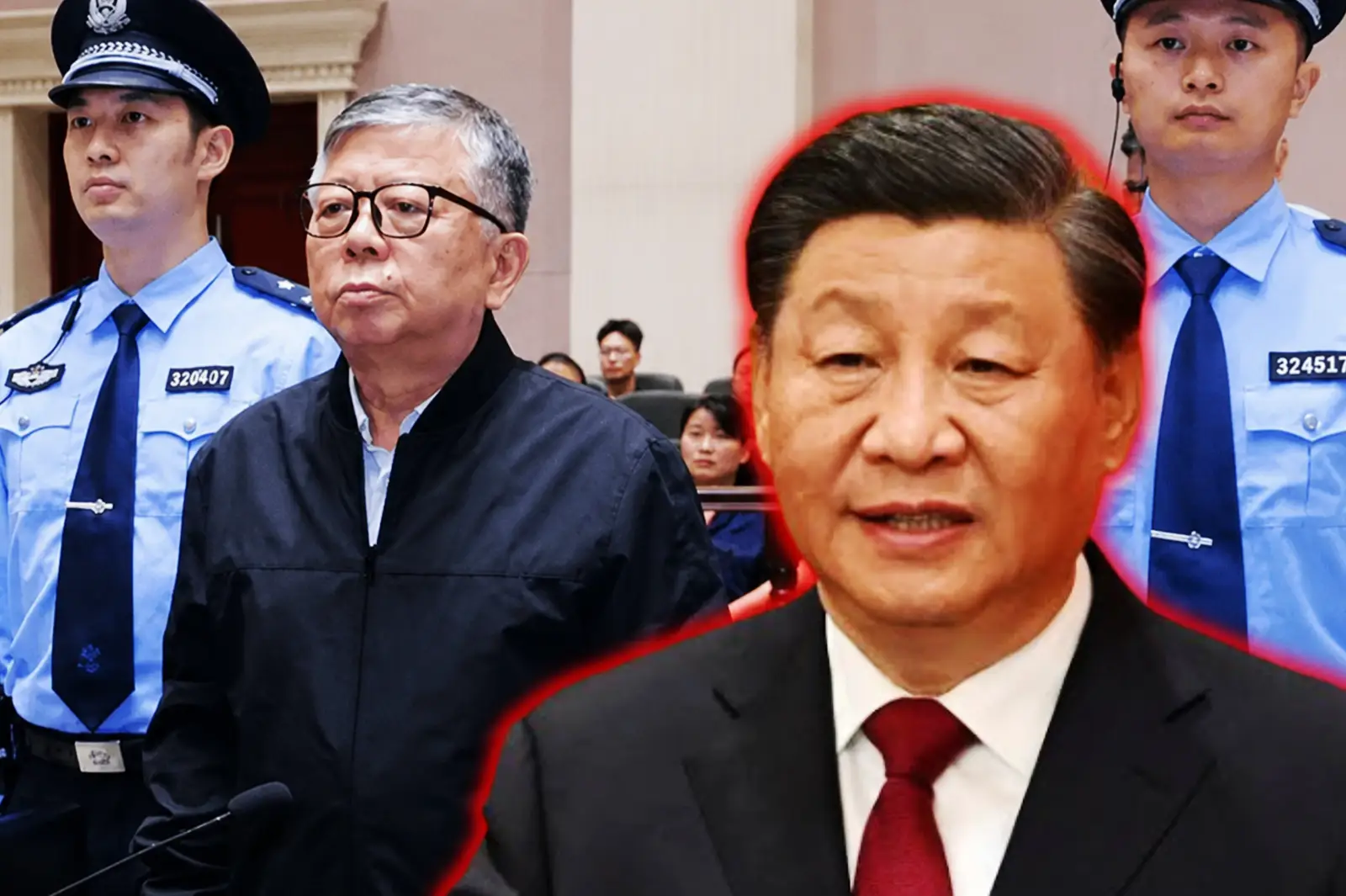
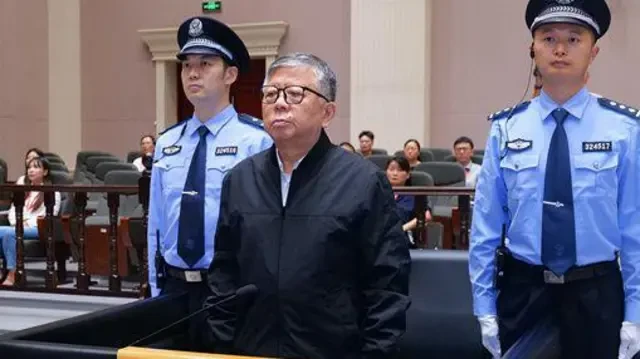
A former Chinese official was sentenced to death after being found guilty of corruption acts
The case is part of the anti-corruption campaign promoted by dictator Xi Jinping since he came to power in 2012. Chinese authorities present this strategy as an effort to clean up public institutions and strengthen discipline within the Chinese Communist Party, despite several of its officials being involved in corruption-related scandals.
However, human rights organizations, experts in Chinese politics, and several Western governments have questioned the lack of independence of the judicial system and argue that the campaign has also served to remove figures considered political rivals of Xi and reinforce his control over the state apparatus.
Many argue that, although corruption remains a persistent problem in China, investigations often take place within an opaque system, where the Communist Party maintains almost absolute control over prosecutors and courts. In this context, convictions are frequently interpreted as a demonstration of the political power of the central leadership, rather than the result of a fully independent judicial process.
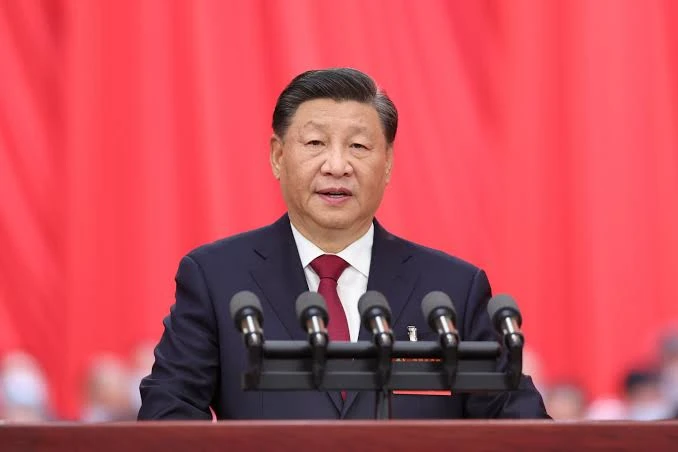
Xi Jinping is carrying out an anti-corruption campaign despite the fact that numerous members of his party are involved in the most scandalous cases in the country
During the trial, Yang Youlin pleaded guilty, expressed remorse, and cooperated with authorities by providing information about other corruption cases. However, the court concluded that this cooperation was insufficient to reduce the sentence due to the magnitude of the crimes committed.
The sentence adds to other high-profile cases recorded during Xi Jinping's administration. In 2021, former financial director Lai Xiaomin was executed after being convicted of accepting bribes totaling about 1.8 billion yuan, while in 2024 former official Li Jianping was also executed for corruption and embezzlement offenses exceeding 3 billion yuan. Both were members of the Chinese Communist Party.
Although the Chinese government claims that these convictions reflect its "zero tolerance" policy towards corruption, Xi Jinping's detractors argue that the problem has structural roots within the single-party political system.
They assert that the absence of a truly free press, an independent judiciary, and effective oversight mechanisms makes it difficult to detect irregularities before they reach million-dollar dimensions. Consequently, periodic punishment campaigns do not replace the institutional reforms that are necessary to sustainably prevent corruption.
Li Jianping, a former member of Xi Jinping's government, was the latest to be executed in a corruption case