One of the central mechanisms is the Emergency Operations Center (COE), which allows for ongoing communication between the various institutions.
The alerts are fed by information from the National Meteorological Service and the Hydrometeorological Observatory of Córdoba, and allow for the anticipation of potentially risky situations several hours in advance.
“One of the ways to mitigate is by giving timely notice. We call that early warning,” Schreiner explained.
El Niño in Córdoba: the experts' perspective
One of the points highlighted by the fire chief was that a meteorological alert does not necessarily mean that the phenomenon will occur with the same intensity throughout a locality.
Storms can advance over very specific areas and create completely different situations just a few kilometers apart.
As an example, he recalled what happened on January 1, when a storm with strong gusts and hail affected areas of Padre Luchesse, Chacras de la Villa, and the area near the airport, while in other parts of Villa Allende, there was practically no recorded precipitation.
For this reason, Schreiner emphasized the importance of “paying attention to alerts even if, at first glance, the sky over the area where a person is located seems clear.”
What can the residents of Villa Allende do?
Prevention also starts within each home. In the event of alerts for strong storms and wind, the Firefighters recommend avoiding outdoor activities, properly closing doors and windows, and checking that drains, gutters, and pipes are clear.
He also urged special attention for elderly individuals or neighbors who may need help preparing their homes.
“Residents need to support and not underestimate the alerts,” Schreiner insisted.
The fire chief also clarified that, “despite technological advances, there is currently no tool capable of determining with accuracy whether hail will fall, how much there will be, or what the size of the stones will be. Therefore, alerts speak of a possibility and not of a certainty.”
Córdoba is one of the provinces that will be affected by the climatic phenomenon El Niño.
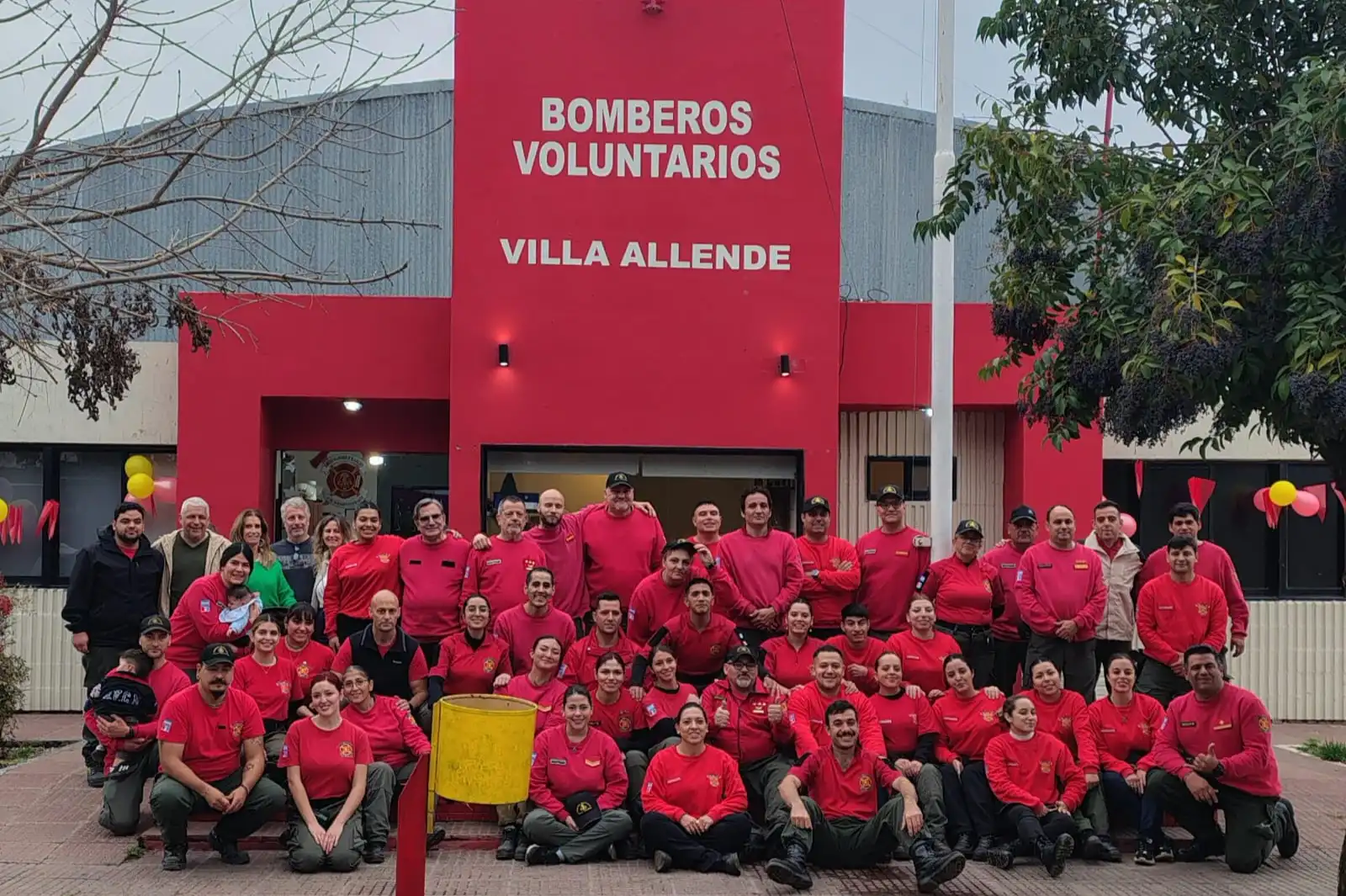
While August combines days of rain, sun, wind, and sudden temperature changes,Volunteer Firefighters of Villa Allende are already working with various municipal and provincial areas in preparation for the climatic scenario expected in the coming months.
The municipality governed by Pablo Cornet has been doing a great job in this regard.
The head of the fire station, Roberto Schreiner, explained the phenomenon of El Niño, its possible effects on the region, and especially the importance of having early warning systems and prepared residents.
What is El Niño?
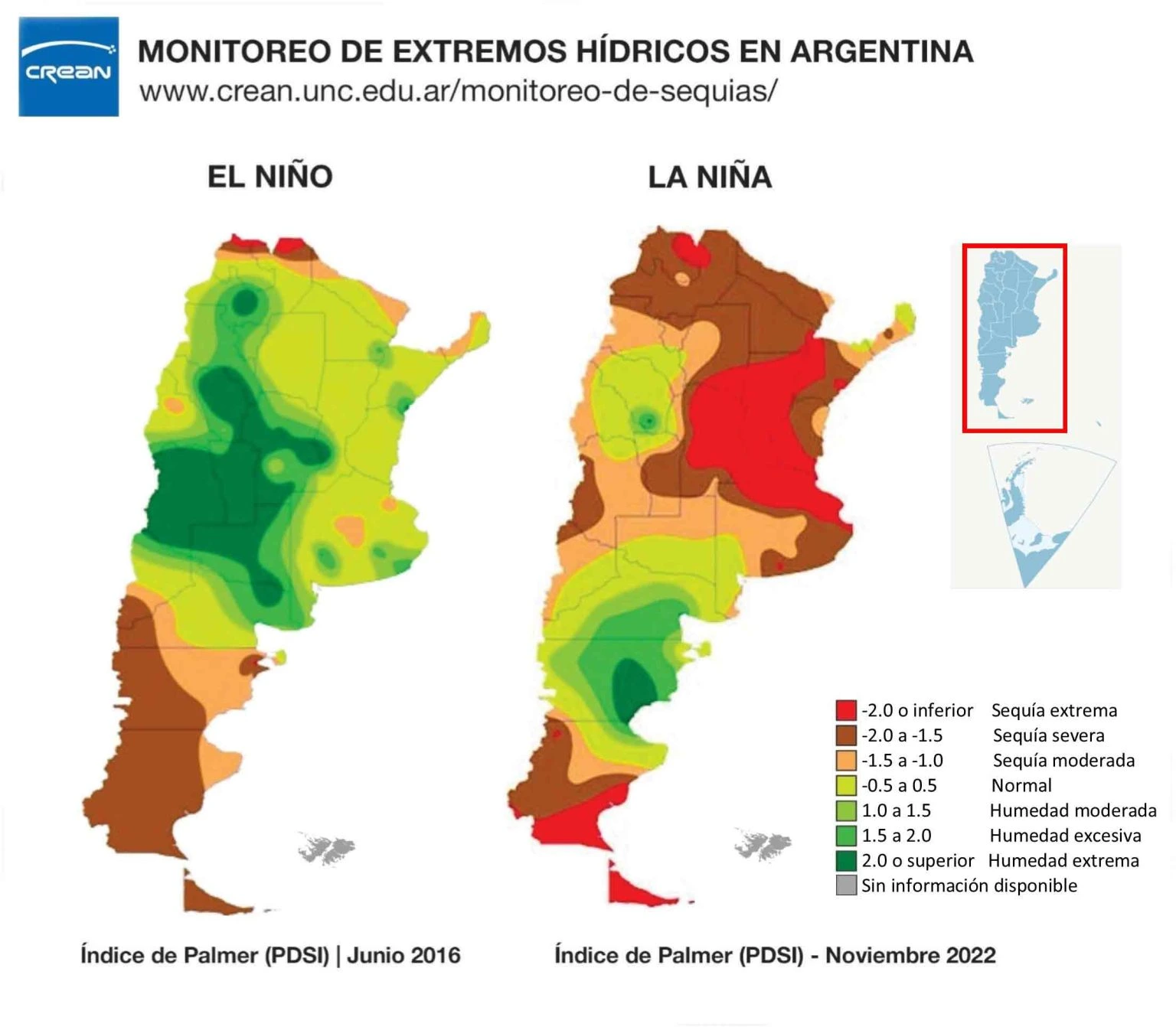
Schreiner explained that El Niño and La Niña are phenomena related to changes in the conditions of the Pacific Ocean that can modify weather patterns.
In the case of El Niño, the increase in sea surface temperature in the Pacific favors a greater presence of humidity and can translate into more rainfall than usual in various areas of central and coastal Argentina.
He noted that the period of greatest attention will be especially focused on the months of December, January, and February, although the phenomenon is already generating conditions of increased humidity.
“We need to prepare ourselves to be ready to expect this process, endure it, and then recover,” he summarized.
The work of the Volunteer Firefighters of Villa Allende
For Schreiner, the key is not to try to modify weather phenomena, but to mitigate their effects.
In Villa Allende, meetings have already been held among Firefighters, Civil Defense, Police, municipal areas, and other agencies to coordinate responses to potential emergencies.