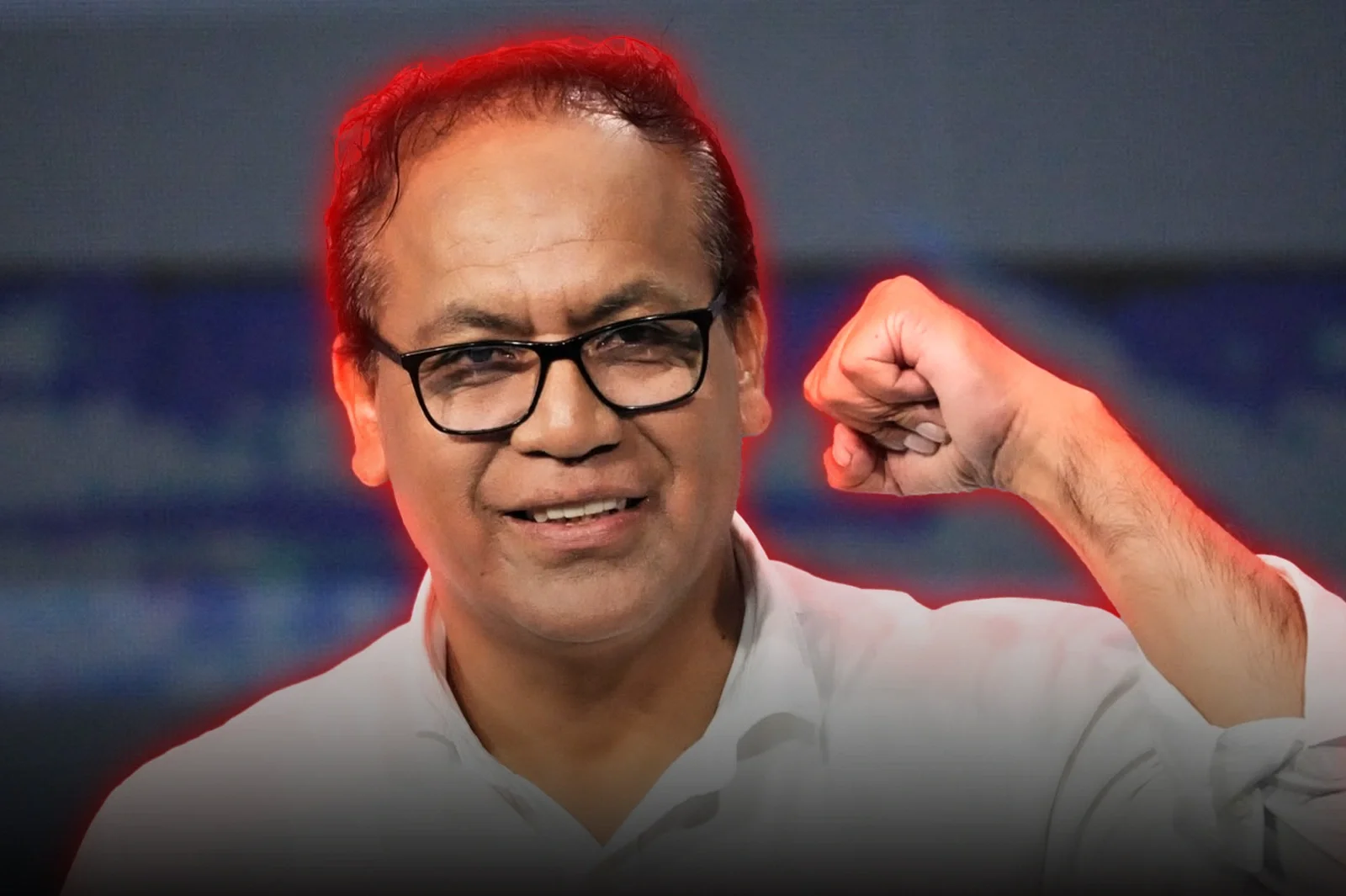
The dispute for the presidency of Peru continues to escalate after Roberto Sánchez, the communist candidate from Juntos por el Perú, sought to conduct a recount of the votes cast in the presidential runoff. The initiative was presented in a message directed to Keiko Fujimori, in a context of extreme parity and with several controversies still pending resolution.
The communist Sánchez argued that the new count would provide greater transparency. However, this attempt to annul the victory of candidate Keiko Fujimori does not have the support of the population or the electoral institutions.
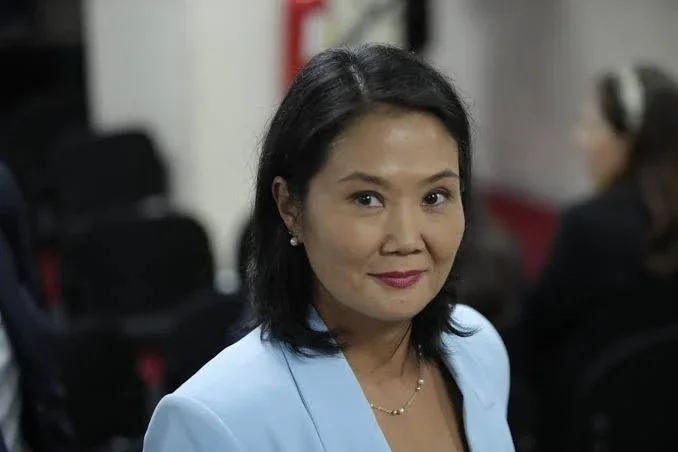
The Peruvian candidate Keiko Fujimori
Furthermore, the proposal generated questions from sectors in Peru, who recall that weeks ago leaders of Juntos por el Perú defended the official count when the preliminary results favored them. Criticism intensified after the party pushed for requests to annul hundreds of polling stations in the United States, where Keiko Fujimori obtained a wide majority of the votes.
The request for a recount represents a new attempt to modify a result that currently favors Fujimori. From the candidate's circle, it is pointed out that the electoral process has mechanisms for oversight and control that already guarantee the transparency of the results.
The controversy arises at a particularly sensitive moment. The vote of Peruvians residing abroad turned out to be one of the decisive factors of the election, allowing Fujimori to reverse an initial disadvantage and place herself ahead in the national count. This led to a series of challenges and appeals that have delayed the official proclamation of the winner.
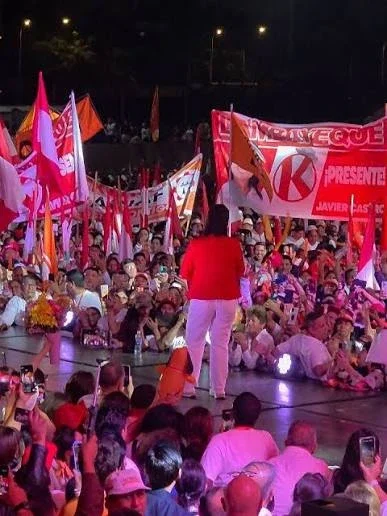
Peruvians celebrating Fujimori's victory
The recount proposal is unlikely to succeed without the support of the electoral authorities, as Peruvian legislation establishes specific procedures for the review of records and the resolution of challenges. Nevertheless, the proposal again demonstrates the high level of political tension surrounding the election.
As the country awaits the final definition, the debate no longer revolves solely around who will be the next president, but also about trust in electoral institutions and the acceptance of the results. In this scenario, Sánchez's proposal adds a new chapter to one of the most contested and polarized elections in the recent history of Peru.