
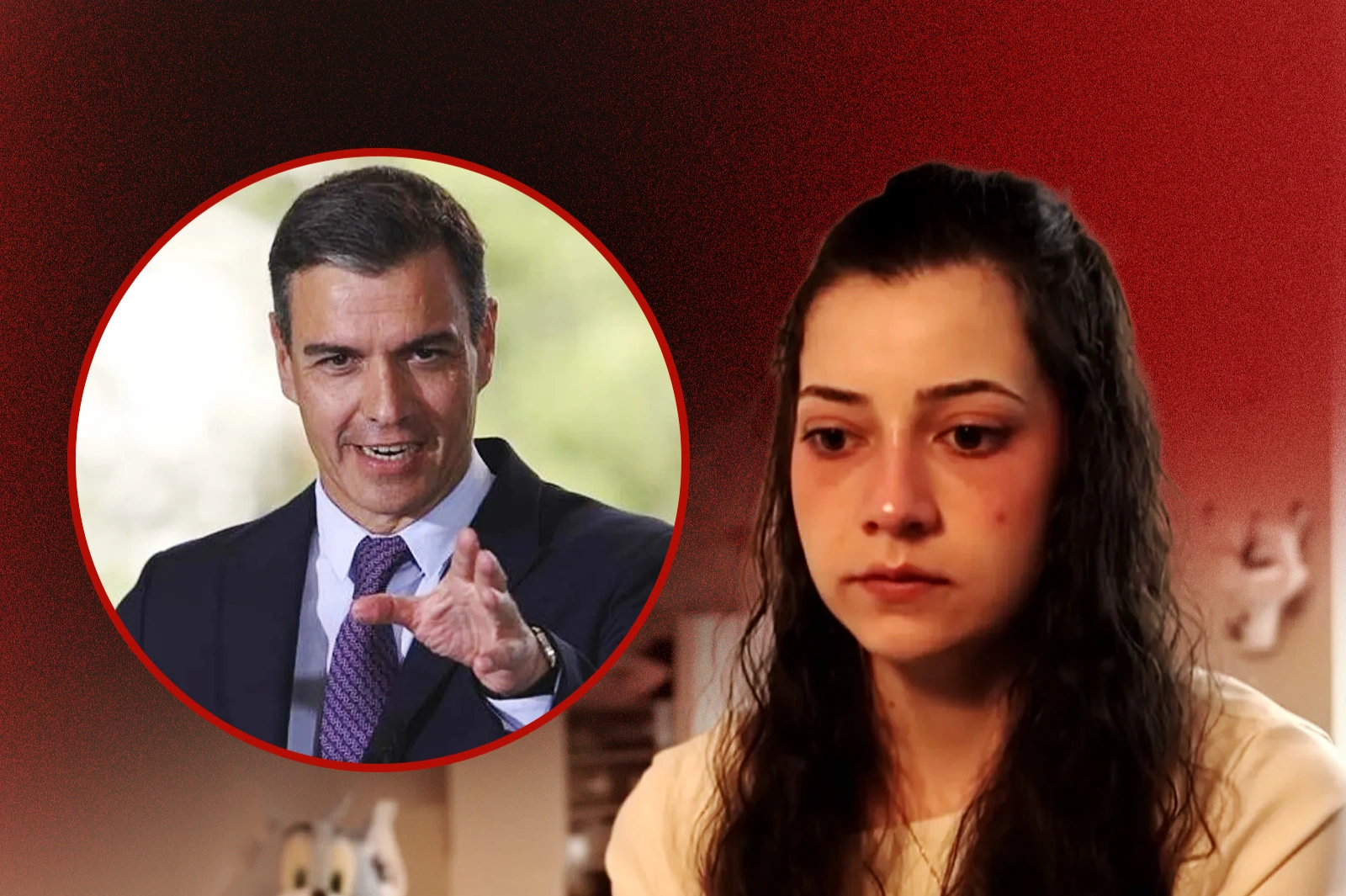
The case of Noelia Castillo became a turning point in a discussion that had already been growing in Spain about the application of euthanasia. The young woman, 25, died after a procedure that took place after an administrative and judicial process that lasted twenty months from the initial request, within the framework of Organic Law 3/2021, regulations that regulate the provision of aid to die under strictly defined conditions. Among them, the law establishes that the existence of a serious and incurable illness or a chronic and impossible condition, duly certified by the health system, must be proven.
Amid the shock generated by the case, figures began to be released that reflect how this legislation has been applied since its entry into force. As reported, the data show a progressive upward trend in the number of euthanasias granted both in the country as a whole and in different autonomous communities. In particular, the Community of Madrid, governed by Isabel Díaz Ayuso, is above the national average in this indicator
.
Between 2021 and the end of 2025, a total of 215 people agreed to euthanasia in the Madrid region. The annual evolution shows sustained growth since the approval of the law: four cases in 2021, 38 in 2022, 35 in 2023, 62 in 2024 and 76 in 2025. These figures reflect how the practice was progressively consolidated within the
healthcare system.The analysis of the files also allows us to observe the functioning of the administrative process that regulates the law. During 2024, 129 cases related to requests for euthanasia were resolved in the Community of Madrid. Of that total, 48.06% resulted in the effective provision of the procedure. On the other hand, 18.60% of the requests were denied because they did not meet the clinical requirements required by current regulations, while 8.53% were revoked by the applicants themselves during processing. In addition, in 32 cases the patient's death occurred before the final decision was issued