There are 15 defendants for being part of an organization that operated from prison and caused damages exceeding 4 million pesos (8,818,490 pounds)
Compartir:
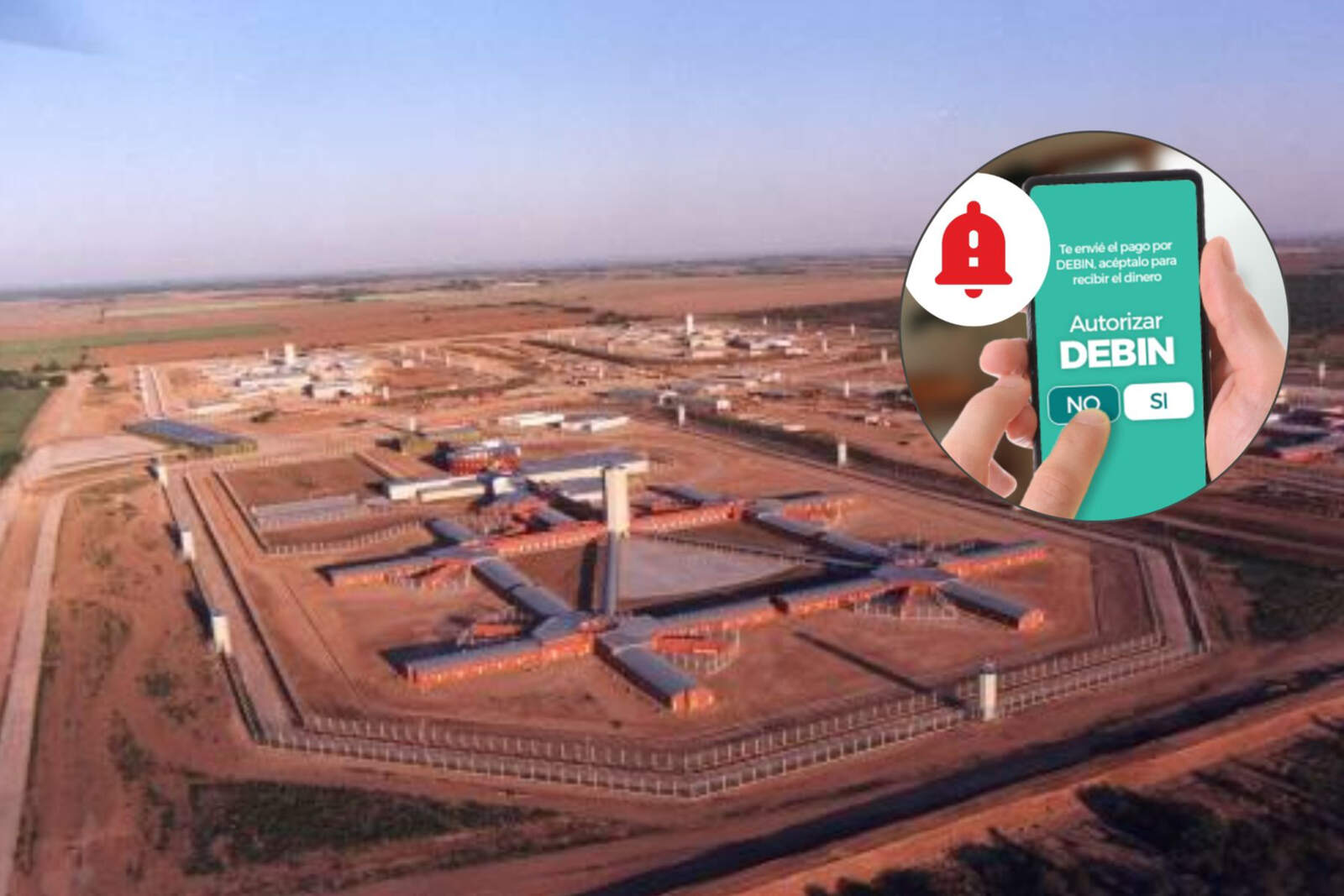
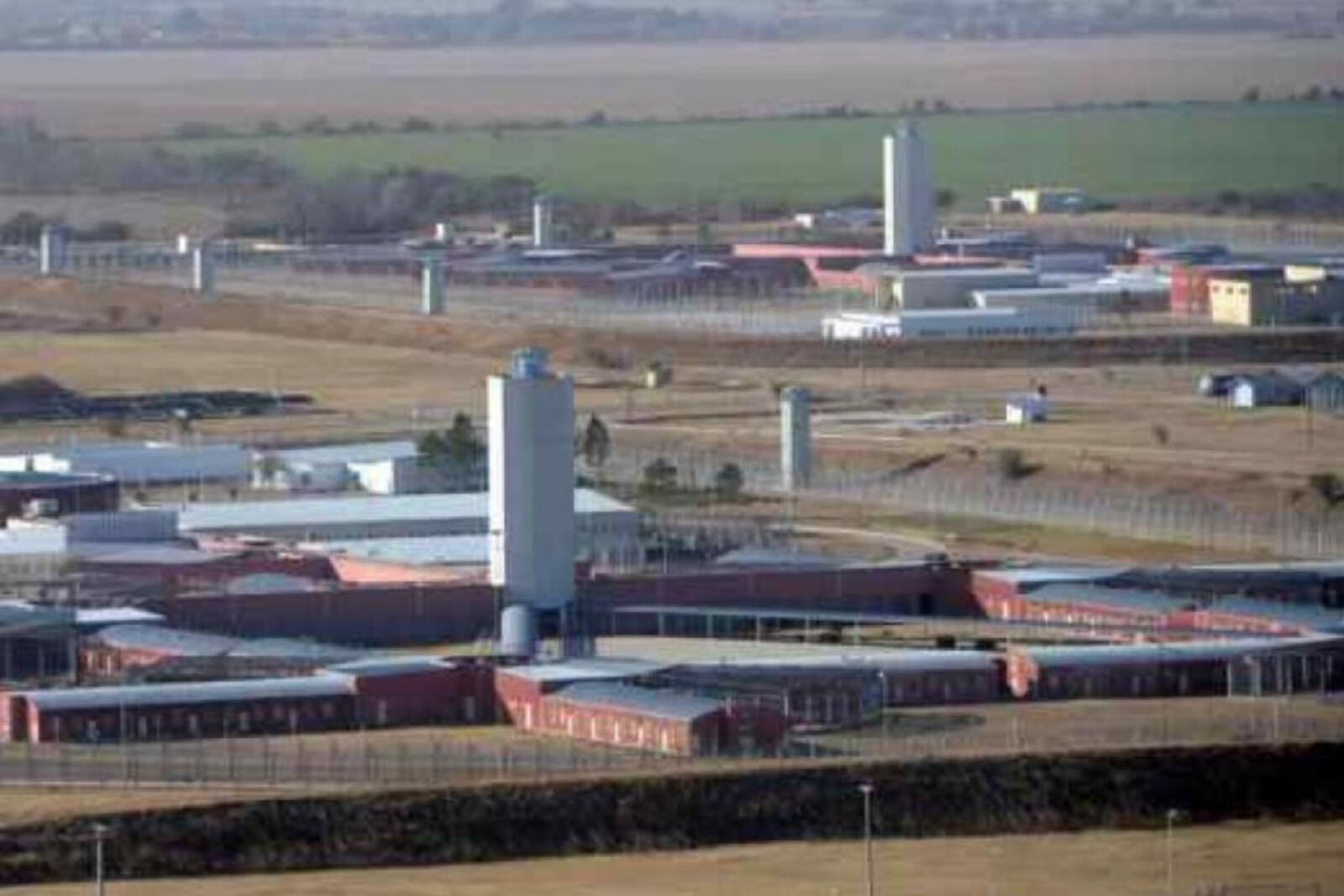
The Economic Criminal Control Court of Córdoba confirmed the referral to trial of a gang accused of carrying out scams through DEBIN transfers. The organization conducted part of its operations from the Bouwer prison and mainly targeted merchants in the construction sector. The total loss exceeded 4 million pesos (8,818 pounds), an amount that demonstrates the effectiveness of the scheme and the coordination among those involved.
The case involves fifteen defendants who allegedly played specific roles to obtain personal and banking data from the victims. According to the prosecution, part of the group collected the information and sent it to inmates operating from the prison. The defendants then called merchants, pretending to be interested in making purchases and used fake receipts to sustain the deception.
The scheme was completed when the victims, guided by the scammers under the pretext of correcting an error, ended up accepting a DEBIN without realizing its impact. This immediate debit requires express authorization and instantly transfers funds to accounts linked to other members of the gang. That maneuver allowed the money to be dispersed, hindering subsequent tracking by investigators.
En cada contacto aseguraban que existía un problema en la transferencia y enviaban capturas de pantallas adulteradas por WhatsApp.
How the scheme was orchestrated from Bouwer prison
The inmates used false identities and communicated by phone with the victims to maintain the commercial fiction. In each contact, they claimed there was a problem with the transfer and sent doctored screenshots via WhatsApp. That strategy induced merchants to follow instructions without verifying the risks associated with the immediate debit.
The prosecution's analysis showed that the communications were carried out repeatedly and followed a uniform pattern of action. The scammers combined real data from the victims with false documentation to create an atmosphere of trust based on simulated transactions. The maneuver became effective because DEBIN operates quickly and doesn't offer ample margin to reverse the withdrawal once authorized.
Experts reconstructed the financial circuit and detected that the funds were distributed across several accounts before being withdrawn. That mechanism sought to make the money trail more difficult to trace and to fragment responsibility among different members of the organization. The prosecution considered that dispersion a relevant indication of the professional nature of the investigated structure.
El mecanismo se completaba cuando los damnificados, guiados por los estafadores bajo el pretexto de corregir un error, terminaban aceptando un DEBIN sin advertir su impacto.
Judicial decision and next steps in the process
Judge Gustavo Hidalgo dismissed the defense arguments that questioned the existence of sufficient evidence to support the accusation. In his ruling, he stated that there are strong indications justifying the referral to trial and preventing the defendants from being dissociated at this stage. Additionally, one defendant was acquitted due to insurmountable doubt and five others obtained a suspended trial with financial compensation.
The suspension of the process means that the beneficiaries must compensate the victims, submit to monitoring, and perform community service. That decision was made in a prior hearing in which one of the victims described the economic impact suffered due to the deception. The court considered that those measures are proportional to the responsibility attributed to that specific group.
With the referral confirmed, the gang will face a trial in which multiple episodes of scams carried out through DEBIN transfers will be analyzed. The court must determine the criminal responsibility of each defendant and assess the degree of participation of those who operated from Bouwer. The process promises to be lengthy due to the number of alleged incidents and the complexity of the documented criminal circuit.
La organización desarrollaba parte de sus operaciones desde el penal de Bouwer y apuntaba principalmente a comerciantes del rubro de la construcción.