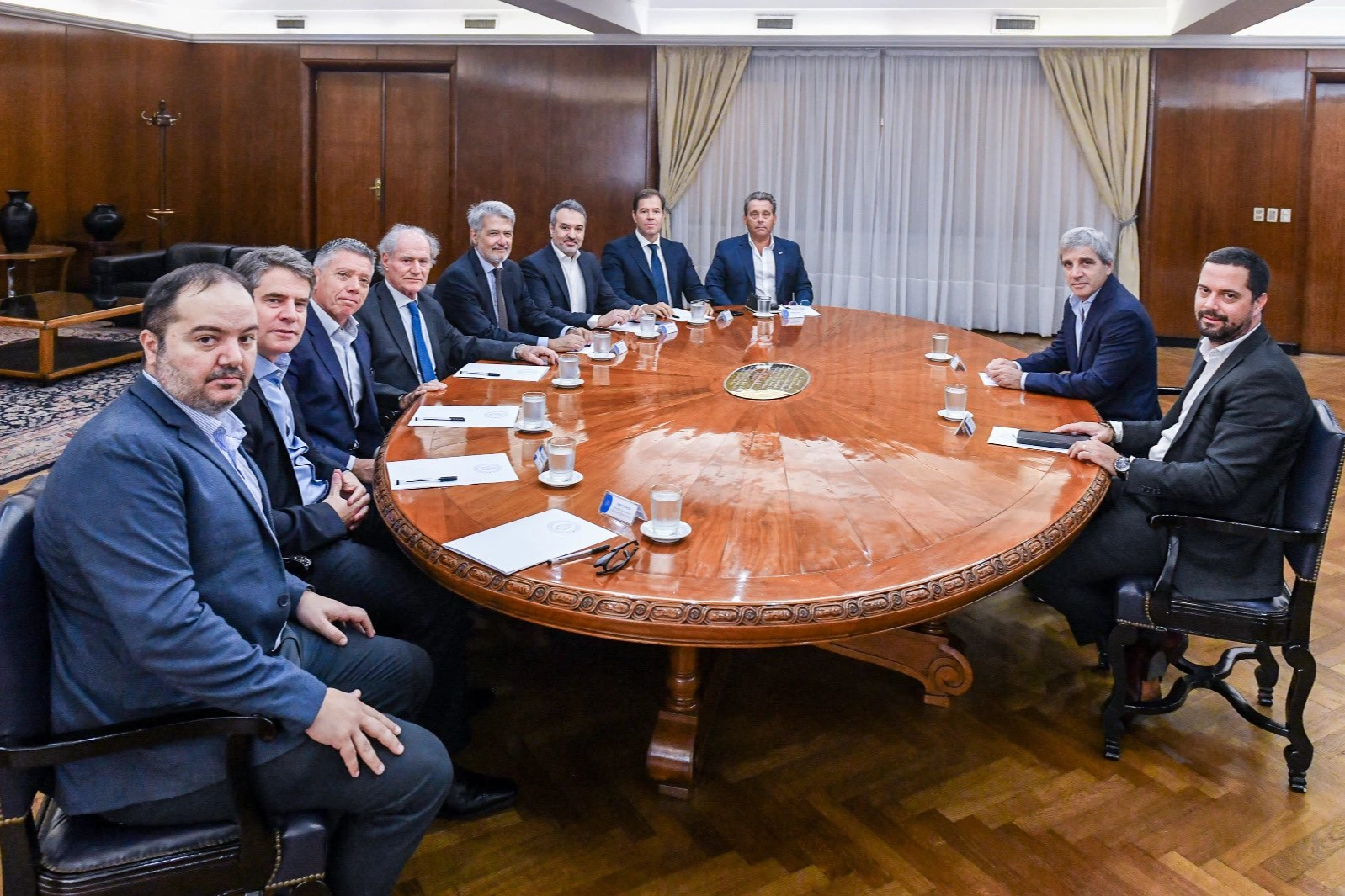
The Minister of Economy, Luis Caputo, met with the country's main supermarket chains, who came up with a strong diagnosis: the biggest obstacle today is not the macroeconomy, but the municipal taxes that directly make prices more expensive and hit consumption.
Executives from companies such as Cencosud, Carrefour, Changomás, Coto, Día and La Anónima participated in the meeting. As the minister himself explained, businessmen pointed out that many of these rates “do not have a consideration to justify them”, which makes them a cost that ends up being transferred directly to the prices that
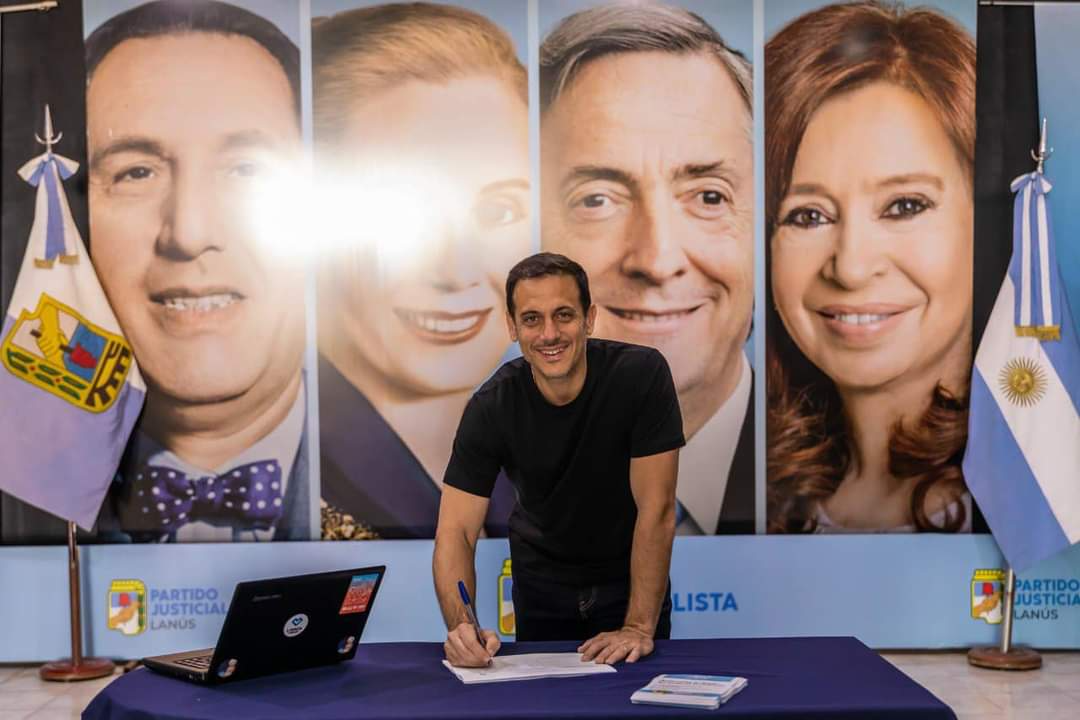
consumers pay. The Kirchner mayor of Lanús holds the record for the highest rate.
Criticism was especially concentrated in municipalities in the Buenos Aires suburbs, where Kirchner management predominates. Among the cases mentioned, the one in Lanús, governed by Julián Álvarez (PJ), stood out, where the rate reaches 6.36%. The municipality of Pilar, under the management of Federico Achával (PJ), was also singled out for applying a scheme that combines a rate of 4.50%, an additional education fund and a perception of 2% per “environmental” rate
. In addition
to these are other districts with similar structures, such as Luján, Hurlingham, Bahía Blanca, Moreno and Quilmes, where base rates are increased by additional ones that significantly increase the final burden. In all cases, the common denominator is the lack of a specific benefit that justifies these charges
.
The approach of supermarkets is framed in a broader phenomenon that has generated distortions in different sectors of the economy. As has already been observed in the case of fuels, where municipal road taxes have a direct impact on the final price, these local surcharges end up functioning as an indirect consumption tax
. Federico Achaval, mayor who created the “environmental” rate of 2%.
In the case of food, the effect is even more noticeable. Unlike other costs, these fees cannot be absorbed by companies without affecting their profitability, so they are automatically transferred to the shelves. The result is a generalized increase in prices that hit lower income sectors in particular
.
This scheme highlights a growing tension between the economic policy of the national Government and the fiscal irresponsibility of many municipalities, mostly aligned with Kirchnerism. As Javier Milei's administration advances in tax reduction and deregulation, mechanisms are multiplying at the local level that increase pressure on consumers