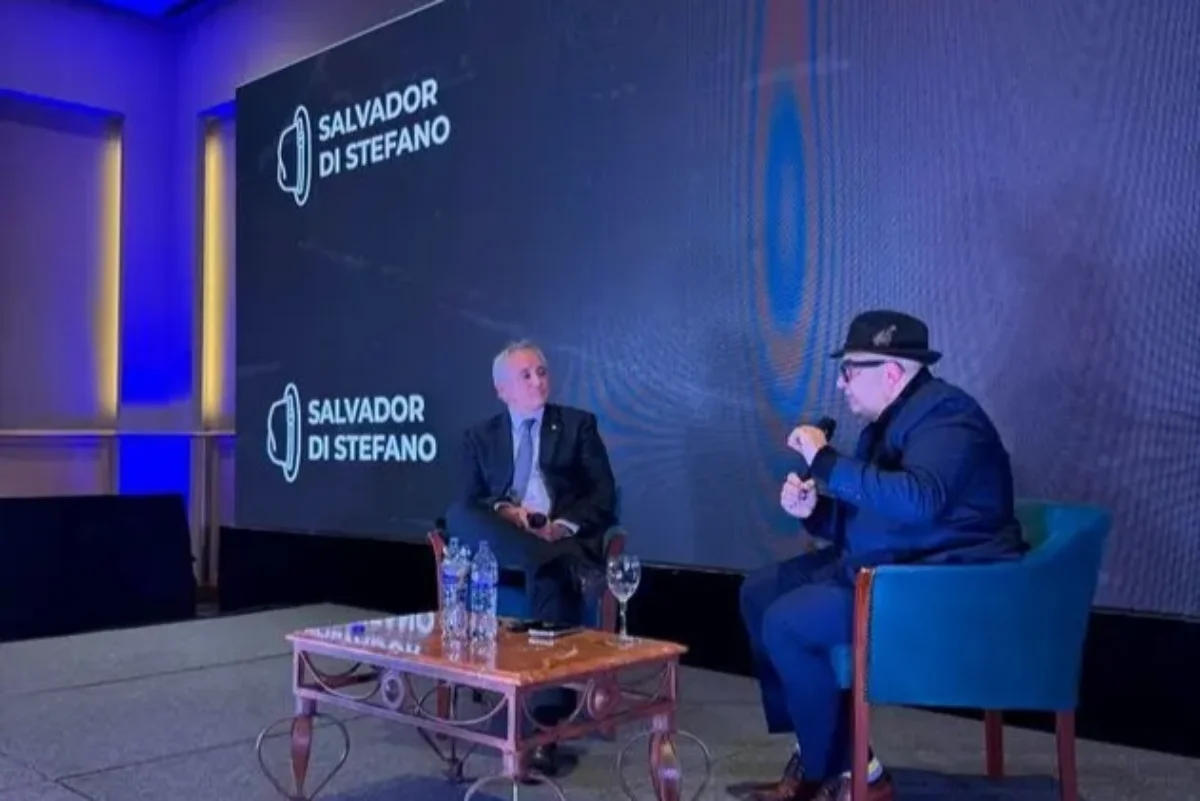

The economist Salvador Di Stefano was in Córdoba, where he arrived to present his book "Change the music, now it's time to change the step."
For years, the Argentine countryside coexisted with a paradox: being one of the main generators of foreign currency for the country and, at the same time, one of the sectors that transferred the most resources to the State through taxes and export duties. According to the economist and analyst , that cycle is beginning to change.
In a recent presentation, Di Stefano stated that one of the historical mistakes of producers was having resigned resources for decades without building conditions to regain competitiveness. In this context, he estimated that the sector transferred about US$ 40 billion to the Argentine economic system through withholdings.

But beyond the figure, the economist focused on what he considers a change of era. In his view, the new economic direction is beginning to modify variables that have conditioned agriculture for years: lower inflation, reduction of public spending, signals of tax cuts, and an economy more oriented towards private investment.
The central expectation, according to Di Stefano
For Di Stefano, a sustained elimination or reduction of export duties, as the government of Javier Milei is doing, would have a direct effect on producer profitability and would open a new cycle of growth for the productive interior.
The improvement of margins would not only allow for the recovery of income, but also accelerate investment decisions, technology incorporation, and scale expansion.