UEPC and Sadop are joining a national strike that postpones the school year and affects the rights of thousands of students
Nuevo
Agregar La Derecha Diario en
Compartir:
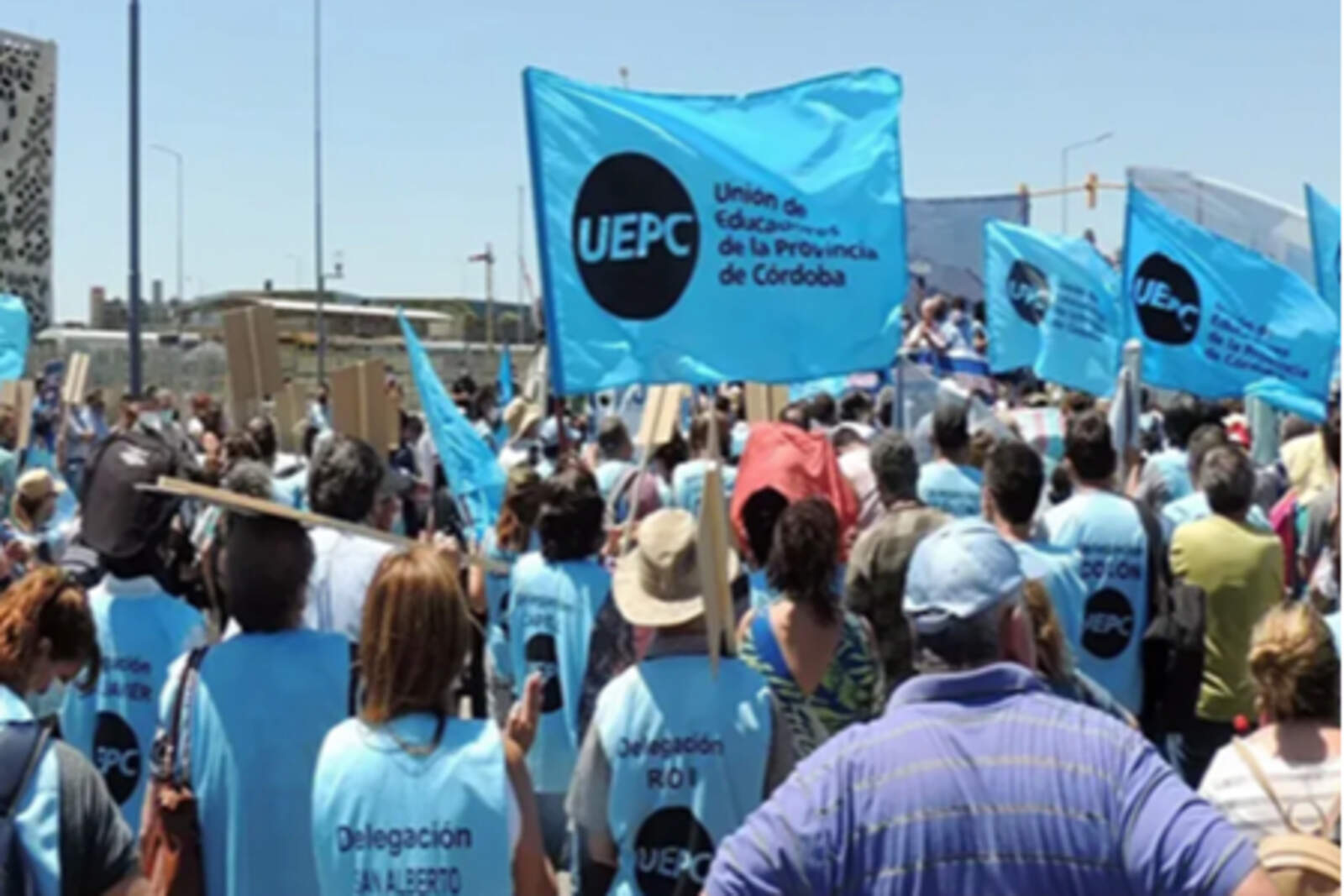
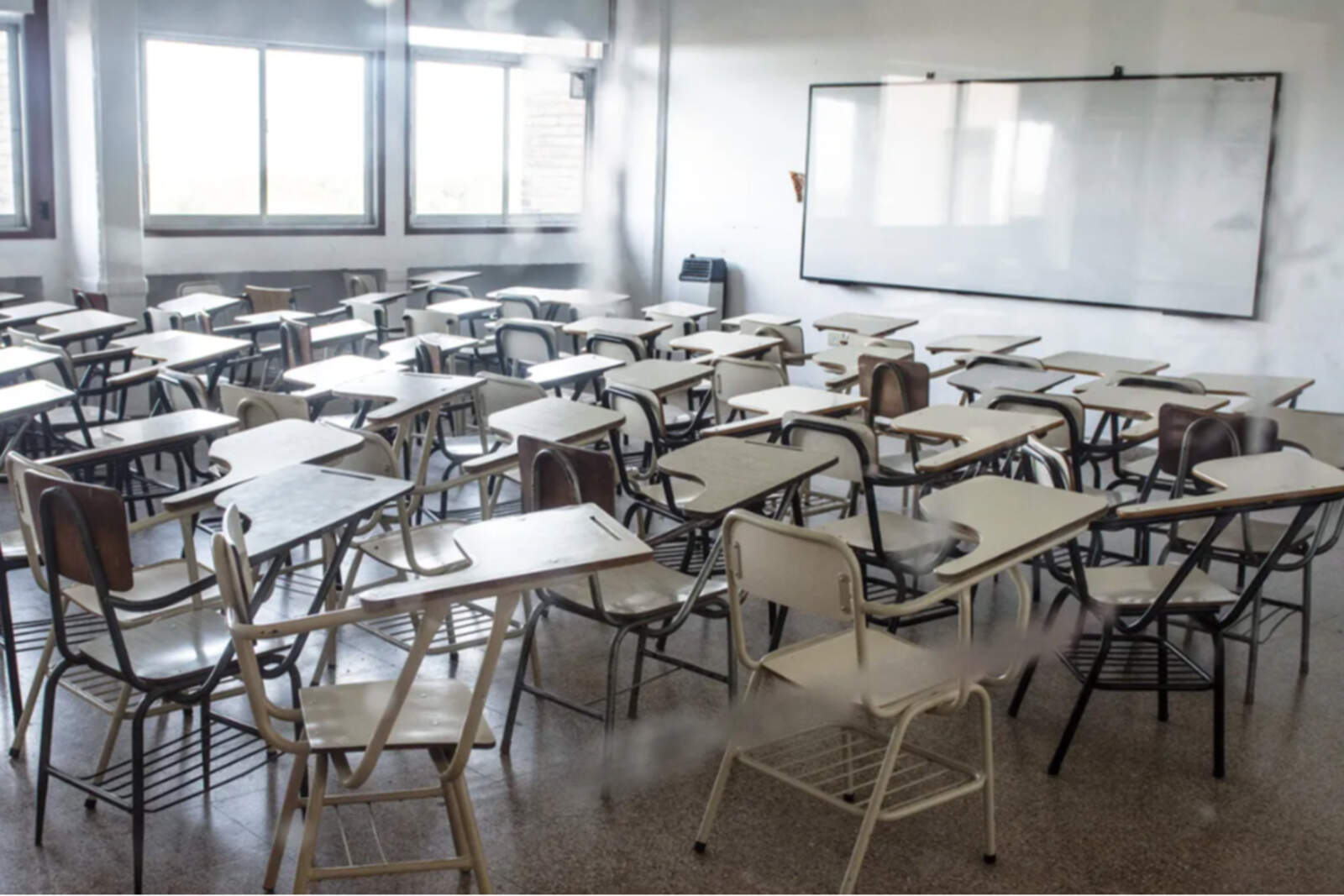
The teachers' unions of Córdoba decided to join the strike called by Ctera, preventing the start of classes on March 2. Roberto Cristalli, Secretary General of UEPC, confirmed that both public schools and private religious schools will not open their doors during Monday's first day. This corporate action once again leaves Córdoba families in total uncertainty in the face of a demand that prioritizes conflict over study.
From UEPC Capital, union leaders warned that the strike could be extended for 48 hours if the demands for an immediate wage adjustment are not met. The leaders base their position on the alleged loss of 20% of real purchasing power during the last two periods of the current administration. While the country is undergoing fiscal reorganization, the unions resort to systematic strikes as the only tool of pressure on the national government.
The union sector criticizes the cut in funds allocated to infrastructure and training, as well as the elimination of 6% of GDP for the budget. Roberto Cristalli stated that the 2026 budget removed financing guarantees for school programs and connectivity throughout the territory. However, this position ignores the need to audit resources that for decades were granted without any control over the quality of learning.
Roberto Cristalli, Secretario General de UEPC
Educational freedom as a solution to the conflict
In the face of constant blackmail through strikes, the national government is promoting the Educational Freedom Law to modernize the national education system. This bill seeks to declare education an essential service, which would require guaranteeing minimum staffing so that no student loses days. This way, the government is trying to protect students' constitutional rights in the face of decisions by union leaderships that only seek power.
The legislative reform also proposes that the state should regain its role as guarantor of basic knowledge, allowing institutions greater autonomy. Parents will be able to have a more active role in choosing the curricular content that their children receive in the schools. "The aim is to curtail the right to strike, not to improve educational quality," Cristalli pointed out in order to oppose a regulation that prioritizes compliance with the calendar.
It is essential to move toward a system in which in-person attendance is non-negotiable and labor disputes are solved with students inside schools. The unions reject essential status because they prefer to maintain the right to strike as a weapon of political extortion against the development of society. The new national regulations are the right path to restore education's central role and put an end to decades of decline and school abandonment.
Los alumnos de Córdoba volverán a ser víctimas de los gremios
Provincial negotiations and demands for wage regularization
At the local level, the government of Córdoba is maintaining a recess in negotiations with UEPC representatives in an attempt to unblock the sector's collective bargaining process. The union is demanding the continuity of the National Teacher Incentive Fund and the recovery of the Solidarity Fund for Educational Assistance for this year. "We want to recover the purchasing power of wages, to guarantee the National Teacher Incentive Fund (Fonid) for active and retired workers," the secretary emphasized.
Despite the open channels for dialogue, the union leadership prefers to align itself with the national federations in order to boycott normal operations. Teachers claim that since 2023 they have lost 13% of nominal income, but they do not propose efficiency alternatives for public educational spending. It is imperative for Córdoba Peronism to act firmly so that education is considered a real priority and not an expense subject to whims.
In this extortionate way, the unions turn the start of classes into a scenario of confrontation and paralysis. Society demands an end to the culture of strikes in order to move toward academic excellence that will allow for the proper training of students. Meanwhile, as long as the unions continue to defend their privileges over the future of children, the country will remain trapped in a cycle of educational failure.