Under the historic center, passageways were discovered that fuel theories and legends still without a definitive answer
Compartir:
Beneath the city of Cosquín, known for its folk festival, a network of tunnels lies hidden, sparking mystery and curiosity. The discovery took place in the area where the historic Hotel Mundial once operated, now partly replaced by the bus terminal. Since then, multiple hypotheses have emerged regarding the purpose of these underground constructions.
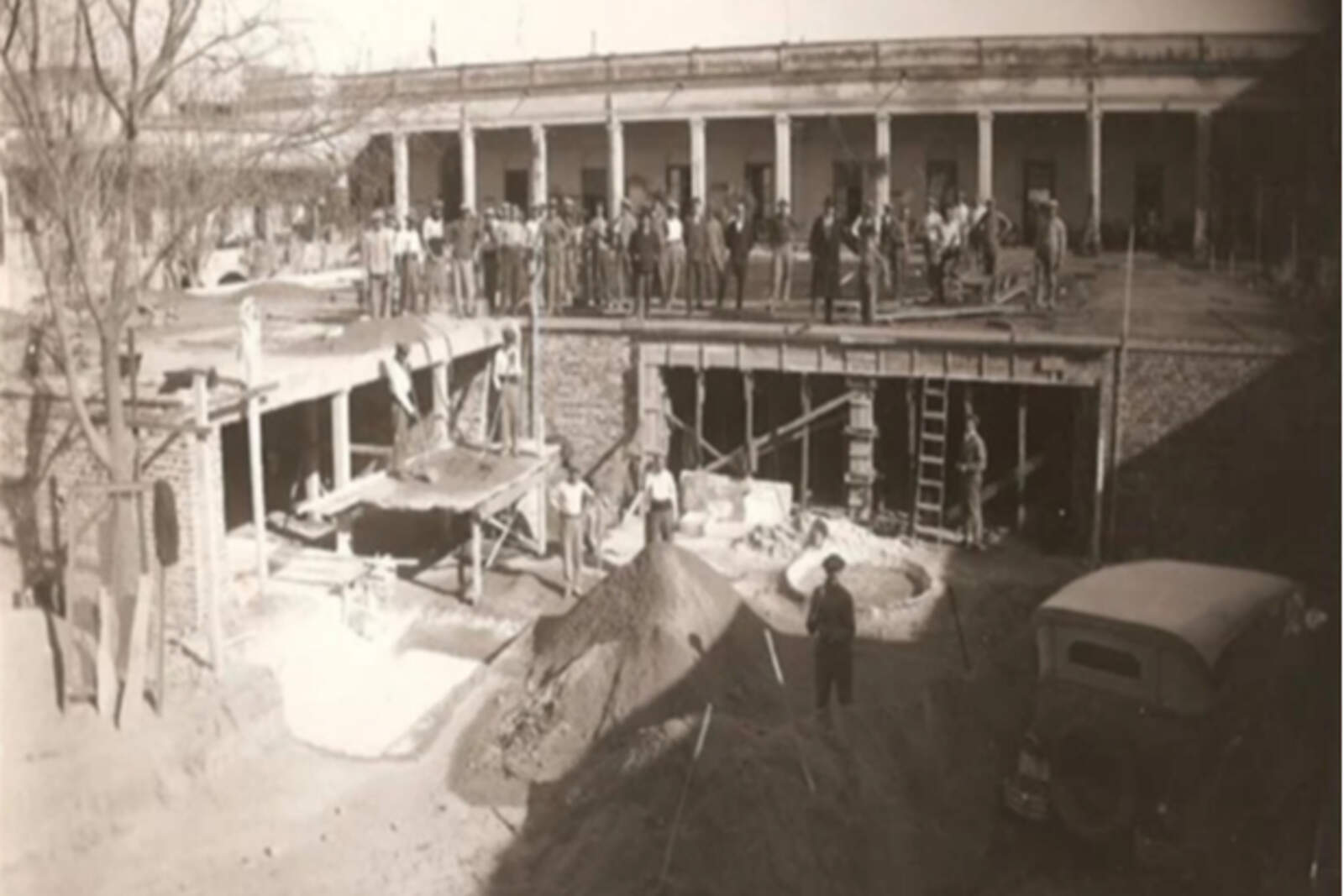
The hotel, linked to the figure of builder Agustín Marcuzzi, was a central point in the city's social and economic life at the beginning of the 20th century. In its early decades, the vaults may have served as storage rooms, but over time, their use had to be reconsidered. When they were no longer used for food preservation, the tunnels were sealed off or repurposed.
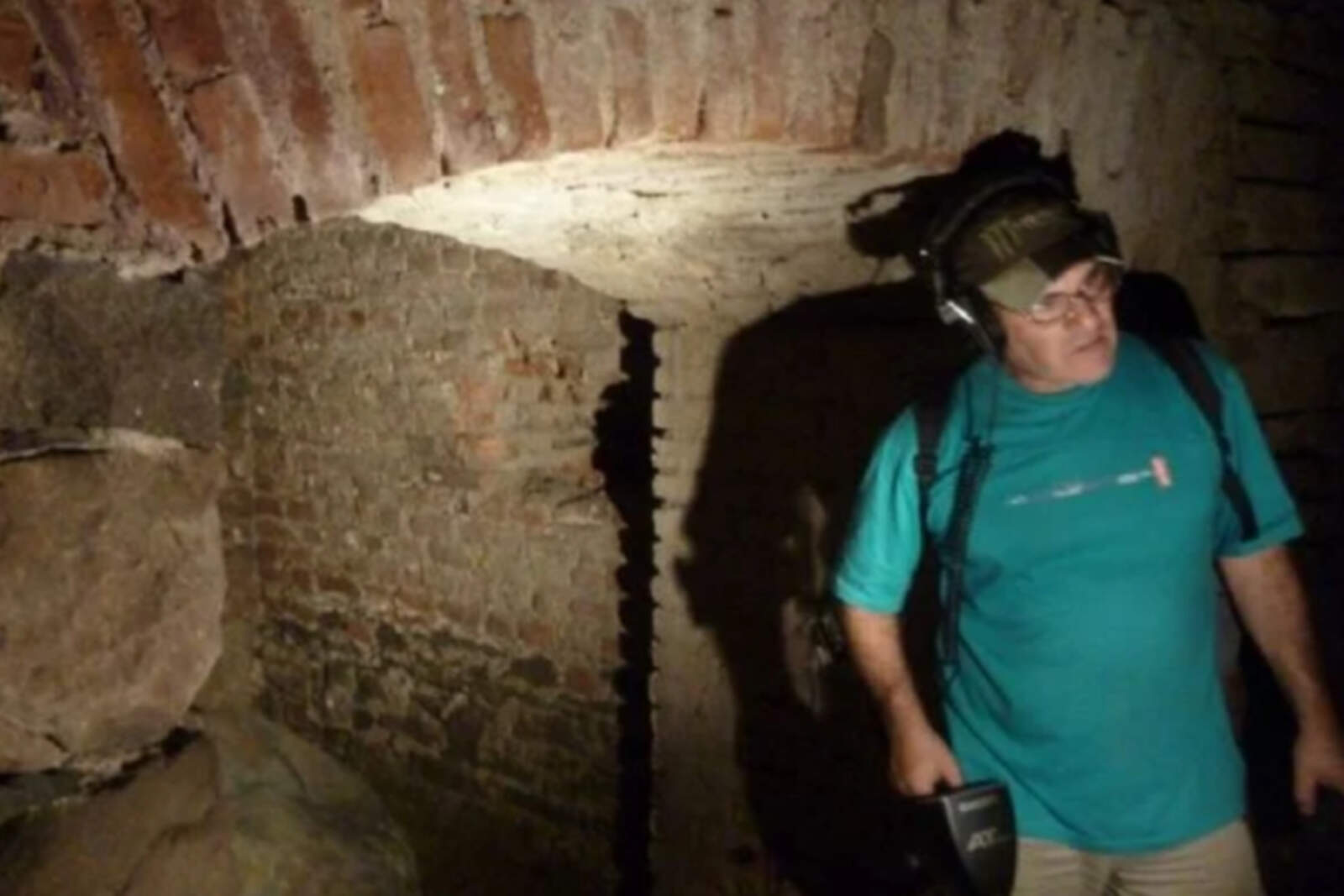
Between 2015 and 2016, a group of local explorers managed to enter certain sections that still remain intact underground. There, they documented vaulted passageways with brick and lime walls, although much of the area is blocked by collapses. The discovered dimensions are surprising and leave open questions about their actual extent.
Contrucción del Hotel Mundial, a finales del siglo XIX
Hypotheses about their function
The most widespread version among residents claims that the tunnels may have served as an escape route from a clandestine casino installed in the basements. According to this theory, the passageways allowed players to enter and exit secretly during possible police raids. Although there is no conclusive evidence, oral tradition keeps this story alive.
Other explanations point to more practical and less fanciful uses, such as storage cellars or cisterns for the old hotel. It was even mentioned that they could have been part of a sewage system, although specialists rule this out due to the hygiene standards of the time. In all cases, the answers remain partial and without academic consensus.
What is certain is that the tunnels today are part of the city's hidden heritage, surrounded by enigmas and popular tales. Researchers' interest has grown, but so has the fascination of tourists who are drawn by the inexplicable. Thus, myth blends with history and enriches the cultural identity of Cosquín.
Los túneles pudieron haber servido como escape de un casino clandestino
A labyrinth beneath the city
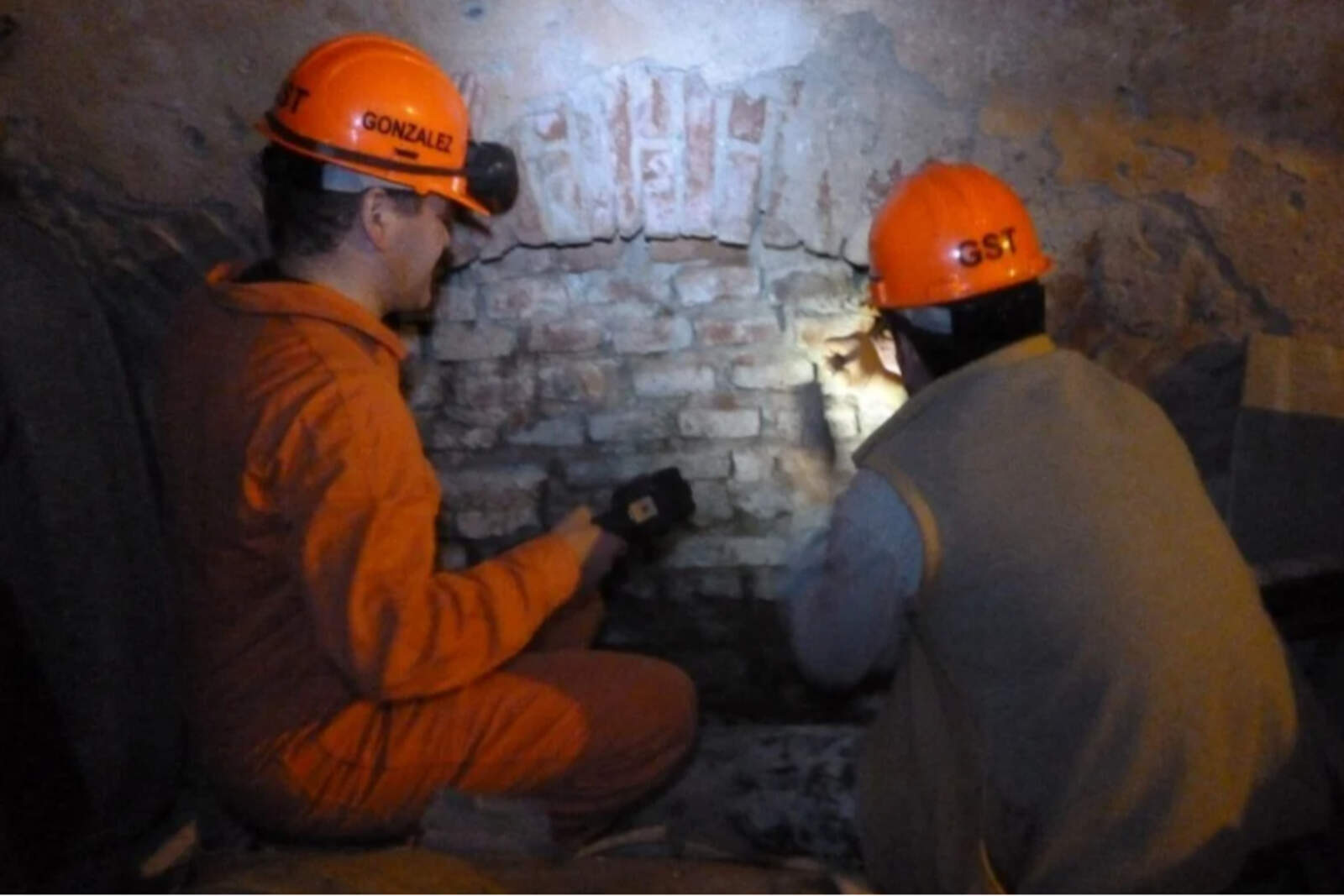
Investigations carried out so far confirm the existence of chambers and passages beneath the old hotel and Salta Street. Explorers found brick arches connecting to other vaults, as well as sealed walls that could conceal branches yet to be explored. The possibility that the tunnels reach strategic points such as the train station has not been ruled out.
One of the most significant access points was detected in the northern area of the station, where there is a six-meter (19 feet 8 inches) staircase leading to the basements. There, ancient vaults in good condition were found, along with a sealed wall that may have been the entrance to another section. In addition, beneath the dining room, rooms were identified that would function as cisterns or additional storage spaces.
The real enigma persists regarding the authorship and precise date of construction, since the design reveals work of great solidity. These galleries add to other urban legends of secret passageways present in various historic cities of the country. Meanwhile, the tunnels of Cosquín remain one of the best-kept secrets of the sierras.