Security, drug trafficking, and the "iron fist" agenda
The most powerful axis of the campaign was security. The election was marked by concern over the advance of organized crime and violence linked to drug trafficking. Fernández managed to capitalize on a social demand for order and state capacity for control.
International media outlets highlighted that her proposal includes a tougher strategy and the possibility of moving forward with maximum-security prison infrastructure, under regional references such as the "model" of tougher incarceration policies.
In parallel, the institutional debate emerged: analysts and critics mention that the new cycle could seek high-voltage reforms (including discussion of constitutional rules and reelection).
La candidata oficialista logró imponerse en primera vuelta con casi el 50% de los sufragios.
Regional congratulations and signals abroad
The victory triggered a wave of international messages. The president of Panama, José Raúl Mulino, congratulated Fernández and invited her to work "in an increasingly integrated way." The president of Honduras, Nasry Asfura, and the Secretary General of the Organization of American States, Albert Ramdin, also spoke, and he highlighted the "massive and peaceful" participation and offered institutional cooperation.
In addition, the president of Paraguay, Santiago Peña, and former Ecuadorian president Guillermo Lasso welcomed the result, as did the president of Guatemala, Bernardo Arévalo. Meanwhile, Nayib Bukele stated that he congratulated Fernández by telephone.
With a broad victory, a relevant legislative majority, and the explicit support of the outgoing ruling party, Fernández begins the new cycle with a strong mandate. The key will lie in whether that capital is quickly translated into concrete results: security, clear rules, and a roadmap that sustains internal and external confidence in a country that seeks to return to stability.
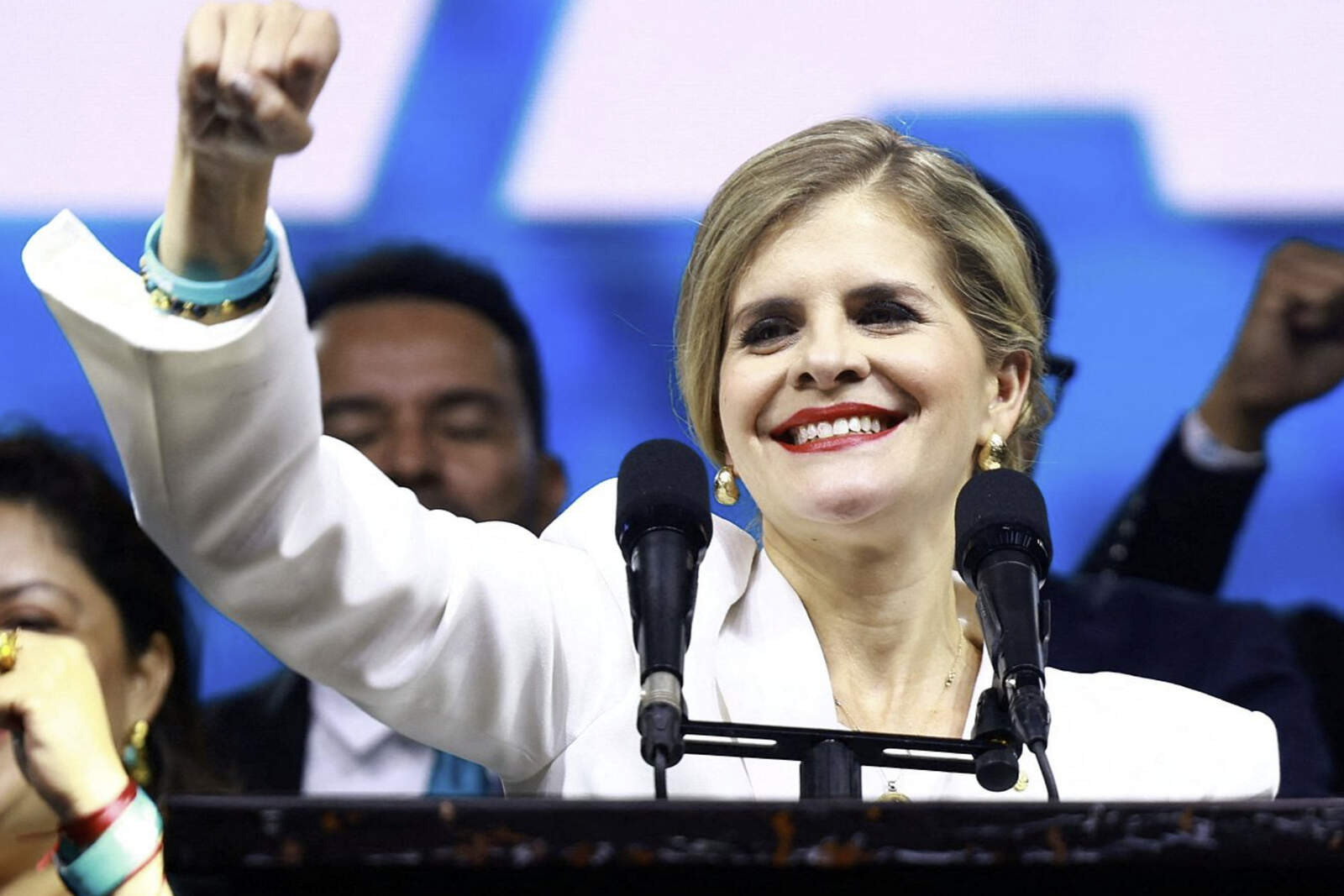
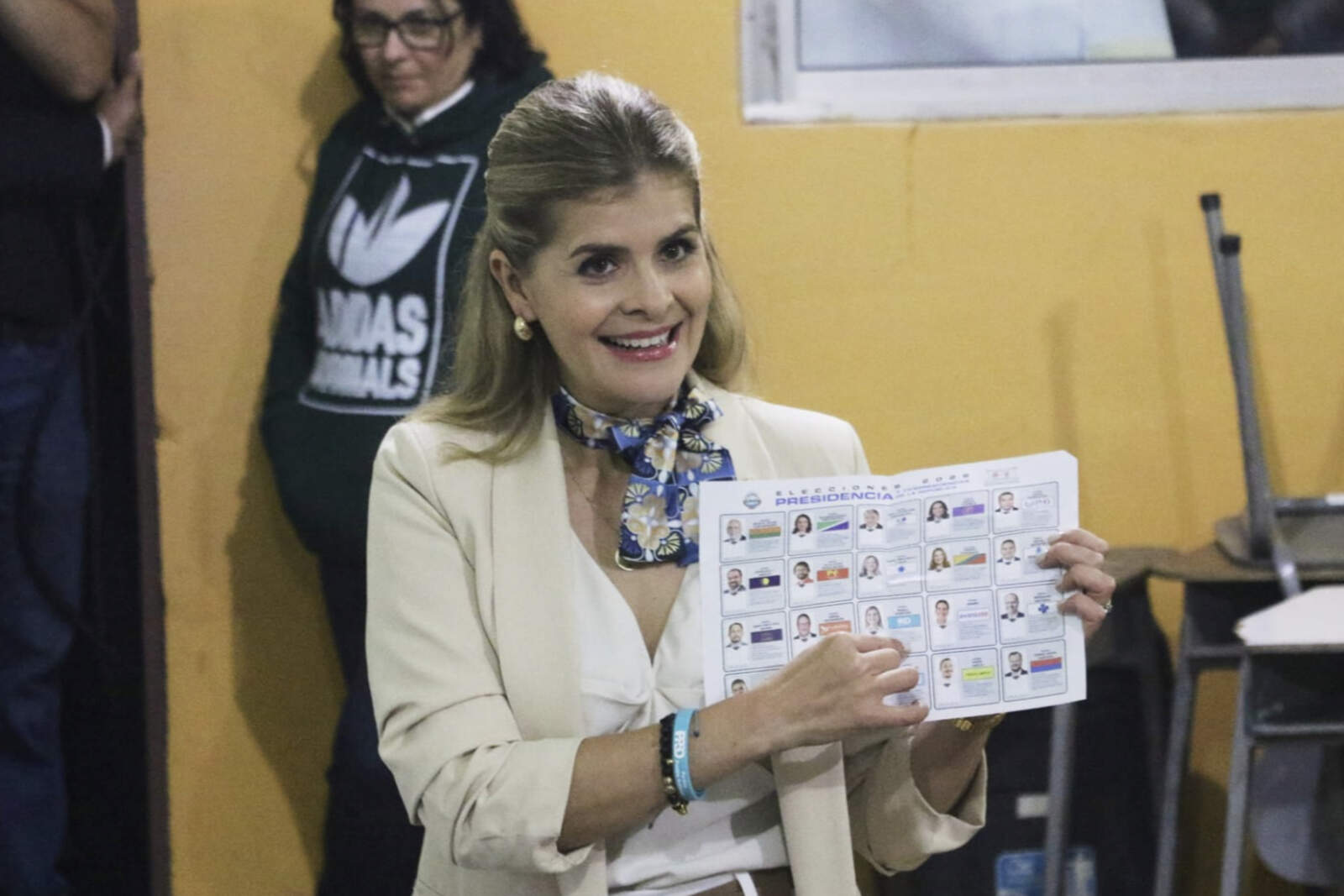
Costa Rica marked a political shift to the right this Sunday with the victory of Laura Fernández, the ruling party candidate from Partido Pueblo Soberano. With 93.79% of polling stations counted, the Supreme Electoral Tribunal reported that Fernández obtained 48.33% of the votes, surpassing the 40% threshold that allows a first-round victory and avoiding a runoff.
The economist Álvaro Ramos from Partido Liberación Nacional came in second place with 33.42%. Ramos acknowledged defeat and anticipated a "constructive opposition".
La presidenta electa prometió un “cambio profundo e irreversible” y una agenda centrada en seguridad y orden.
Continuity with Chaves and a strong mandate in Congress
The new president-elect is identified as the political successor of outgoing President Rodrigo Chaves, with whom she was part of the ruling party's core management team. The election took place in a scenario of strong fragmentation (20 candidacies), but the result gives Fernández a solid starting point: the ruling party projects 30 out of 57 seats in the Legislative Assembly. This constitutes a relevant base to push for reforms, although it is insufficient for an automatic "supermajority," which will force her to establish agreements.
In her victory speech, Fernández stated that "democracy spoke" and that the country voted for "the continuity of change," with the promise that it will be "deep and irreversible". Her mandate begins on May 8, and one of the first tests will be to transfer electoral support to the legislative arena, where real governability is at stake.
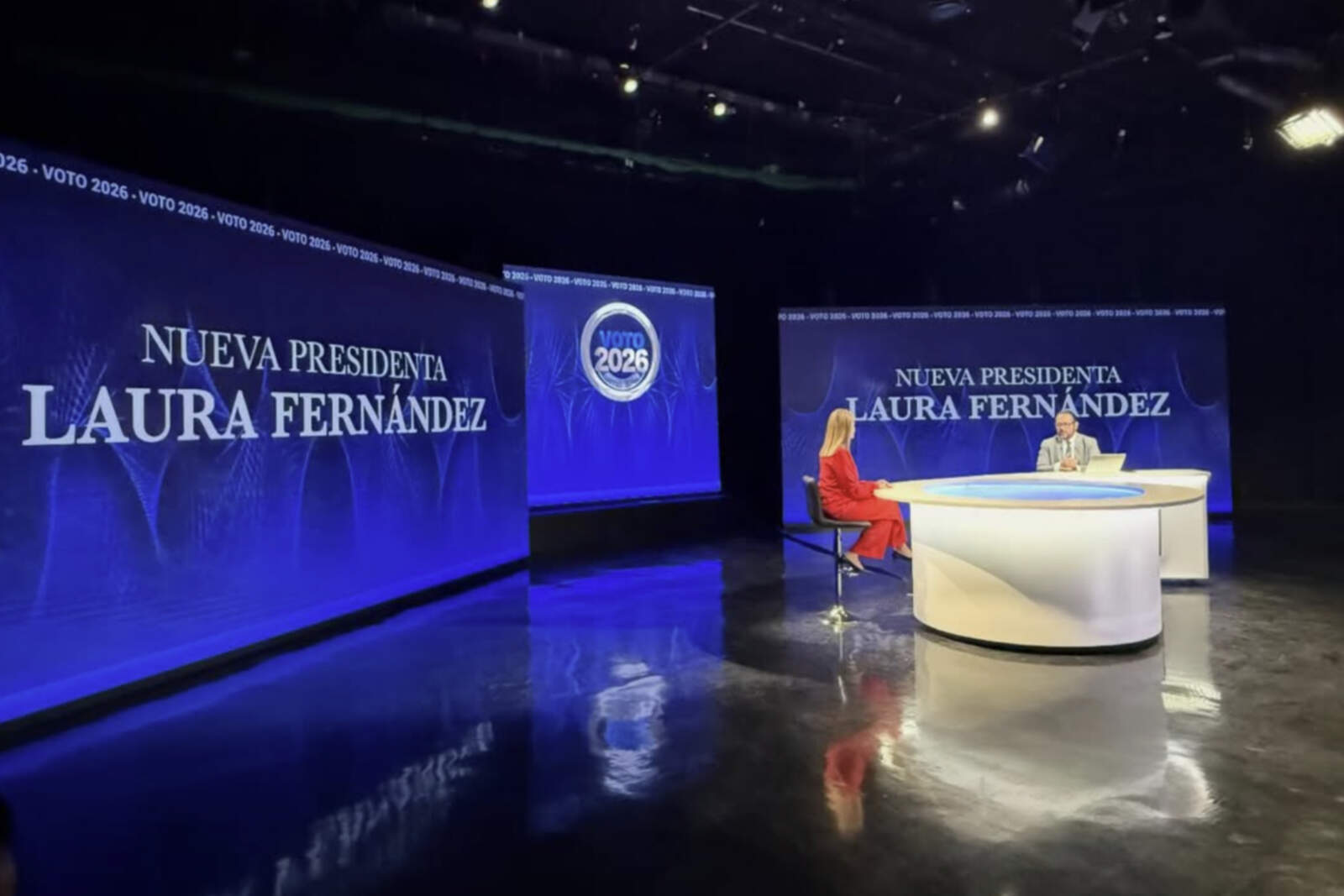
Laura Fernández participa de una entrevista televisiva tras conocerse su victoria en las elecciones presidenciales de 2026