Some were silent, others claimed not to know the origin of the notes and payments.
Nuevo
Agregar La Derecha Diario en
Compartir:
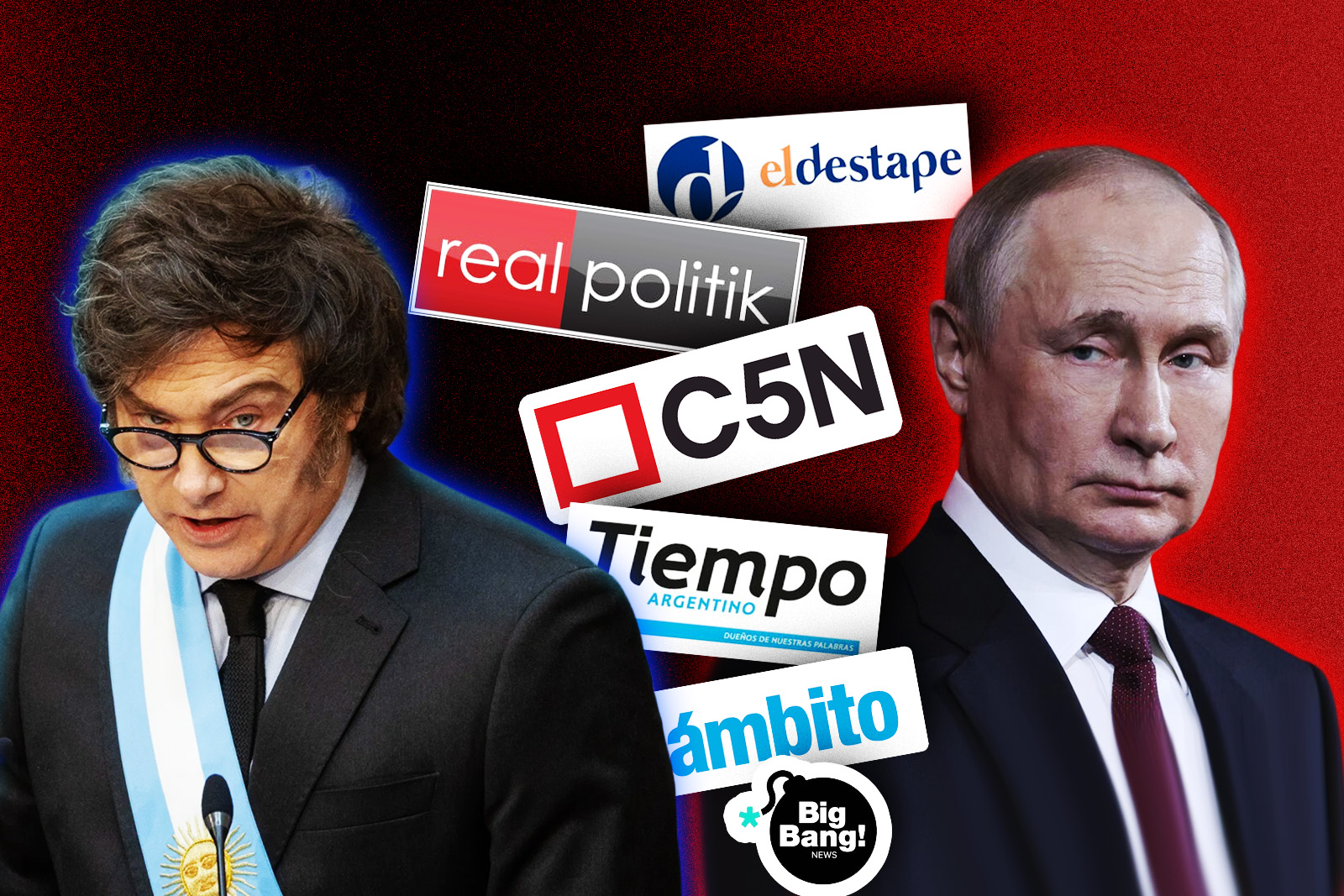
After it became known about the alleged Russian network that had operated against the government of Javier Milei, attention was shifted to the media that published these articles. Faced with the inquiries, disparate answers, silences and explanations began to appear
Behind the generalized denials, nuances began to appear that left more questions than certainties. Most of the sources consulted maintained that the articles were not directly ordered, but that they arrived through third parties, described as “press agencies”, “consultancies” or simple intermediaries whom they “naively” chose to trust
.
Several of those involved themselves admitted that these contents were published without rigorous editorial control, which opens the door for material with unknown origin—and potentially linked to foreign interests—to have been incorporated into the local media agenda without sufficient verification.
However, the most uncomfortable fact came from two sources that did acknowledge having received payments for publishing some content. According to their testimonies, the money did not come directly from Russia, but from intermediaries who presented the items as part of local business interests. In one case, there was talk of businessmen concerned about the national industry; in another, of sectors affected by the paralysis of public works
.
The explanations don't stop closing. Although the media denied knowing the real origin of the funds, the coincidence between the published content, the topics addressed and the objectives detailed in the leaked documents reinforces the hypothesis of a coordinated operation.
In some cases, there was no direct response. Media such as C5N, A24 or El Destape chose not to comment on inquiries, while others avoided giving details about internal publication mechanisms or the identity of the authors
.
The most illustrative case was that of Realpolitik. Its director acknowledged that they publish opinion columns on a regular basis and maintained that he was unaware of the origin of the articles in question, implying that, if there were any maneuvers, it would have been carried out “
without direct knowledge” of the editorial staff. The campaign against Milei was a failure: he won the elections of 2025.
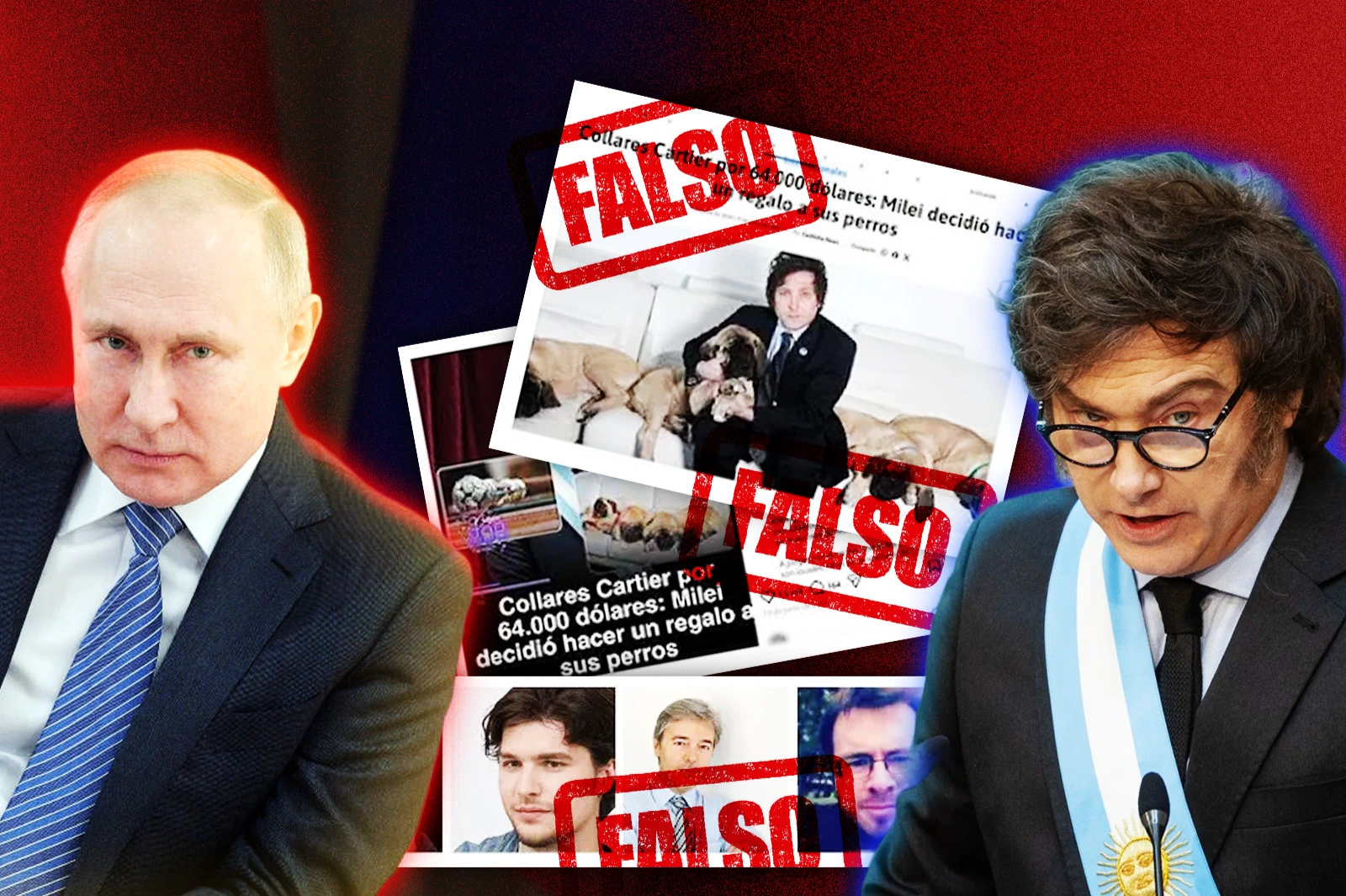
The explanations of the media themselves do not end up dispelling suspicion. The coincidence between the published articles, the amounts recorded in the documents and the false identities detected in multiple notes opens up another hypothesis: that part of those involved is not telling the whole truth about the origin of these contents and the
possible payments.
In this context, the scandal is not limited to the existence of a foreign network, but it also leaves an uncomfortable question on the table: whether it was negligence, zero journalistic professionalism or directly a framework that some now seek to deny.