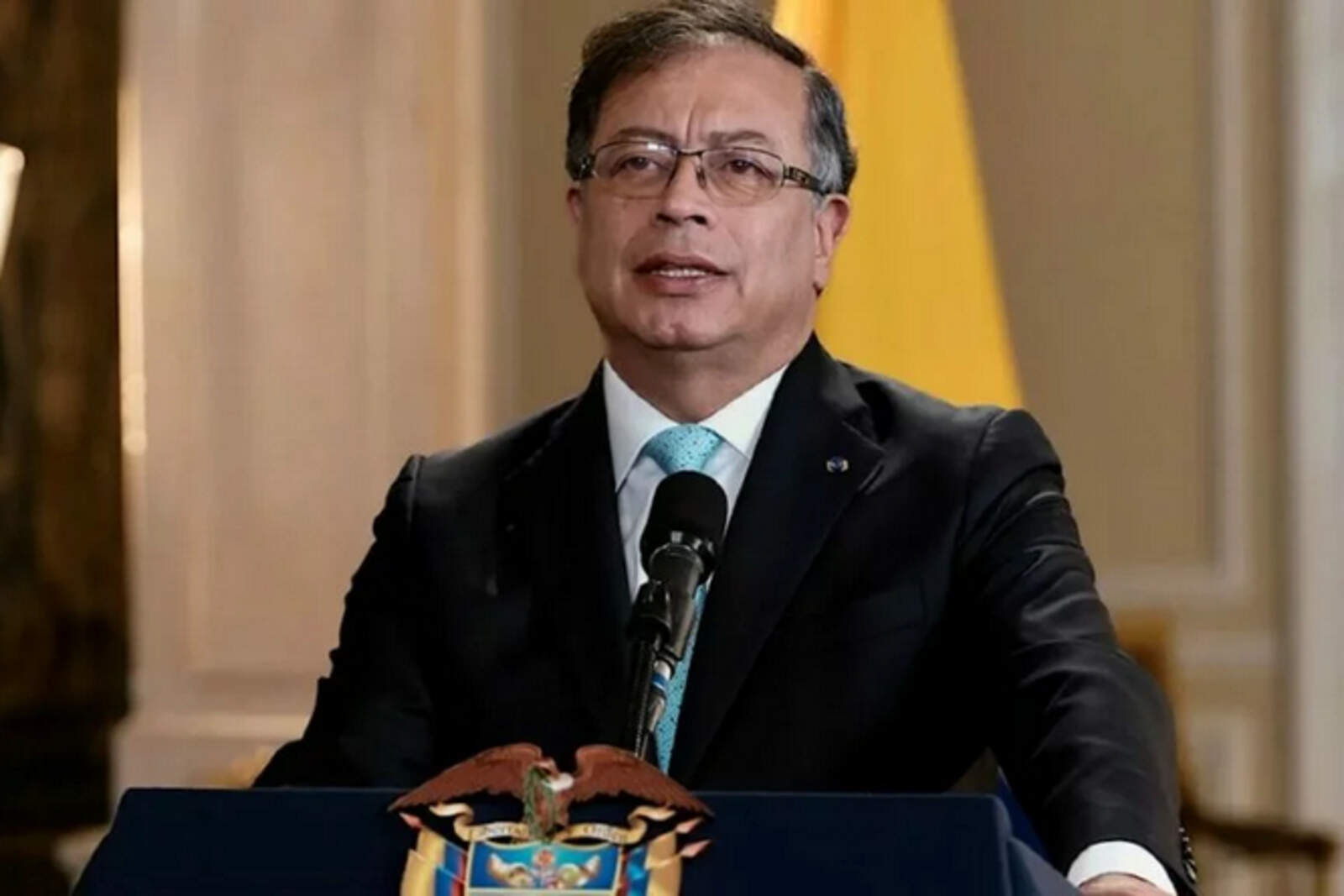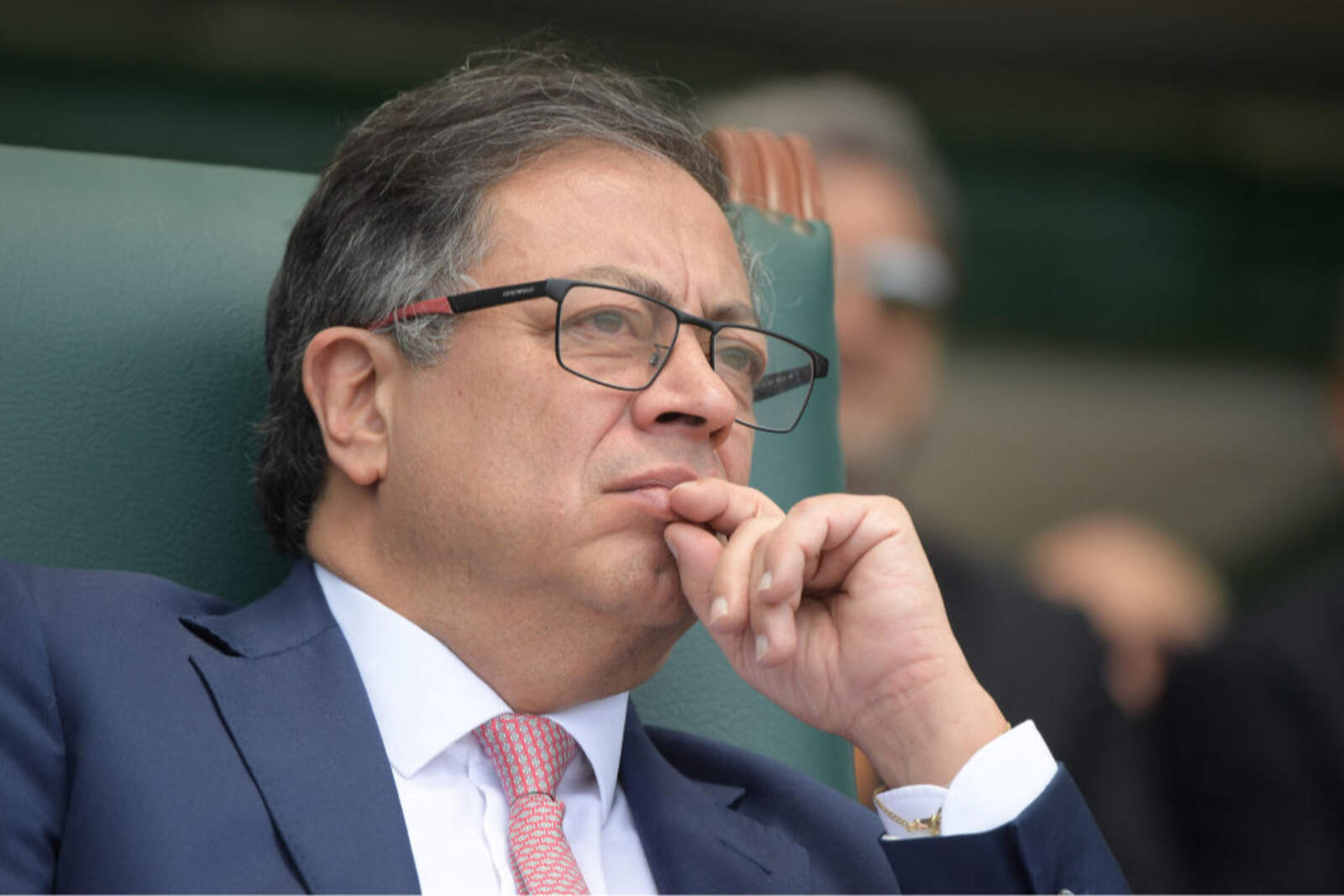

The president of Colombia, Gustavo Petro, once again stirred controversy by offering asylum to Ecuadorian political figures allegedly persecuted. The measure, based on a supposed 'blacklist' without official verification, was seen as a clear interference in Ecuador's internal affairs.
Petro justified his decision after the April 14 incident, when former vice-presidential candidate Diego Borja was prevented from crossing into Colombia. The Colombian leader, of socialist tendency, took advantage of the case to reinforce his discourse of political persecution without providing concrete evidence.
The supposed 'blacklist' was initially published by former president Rafael Correa, now exiled in Belgium, and replicated on social media. Petro not only supported this unverified version but also used his platform to amplify a narrative promoted by Correa's sectors.
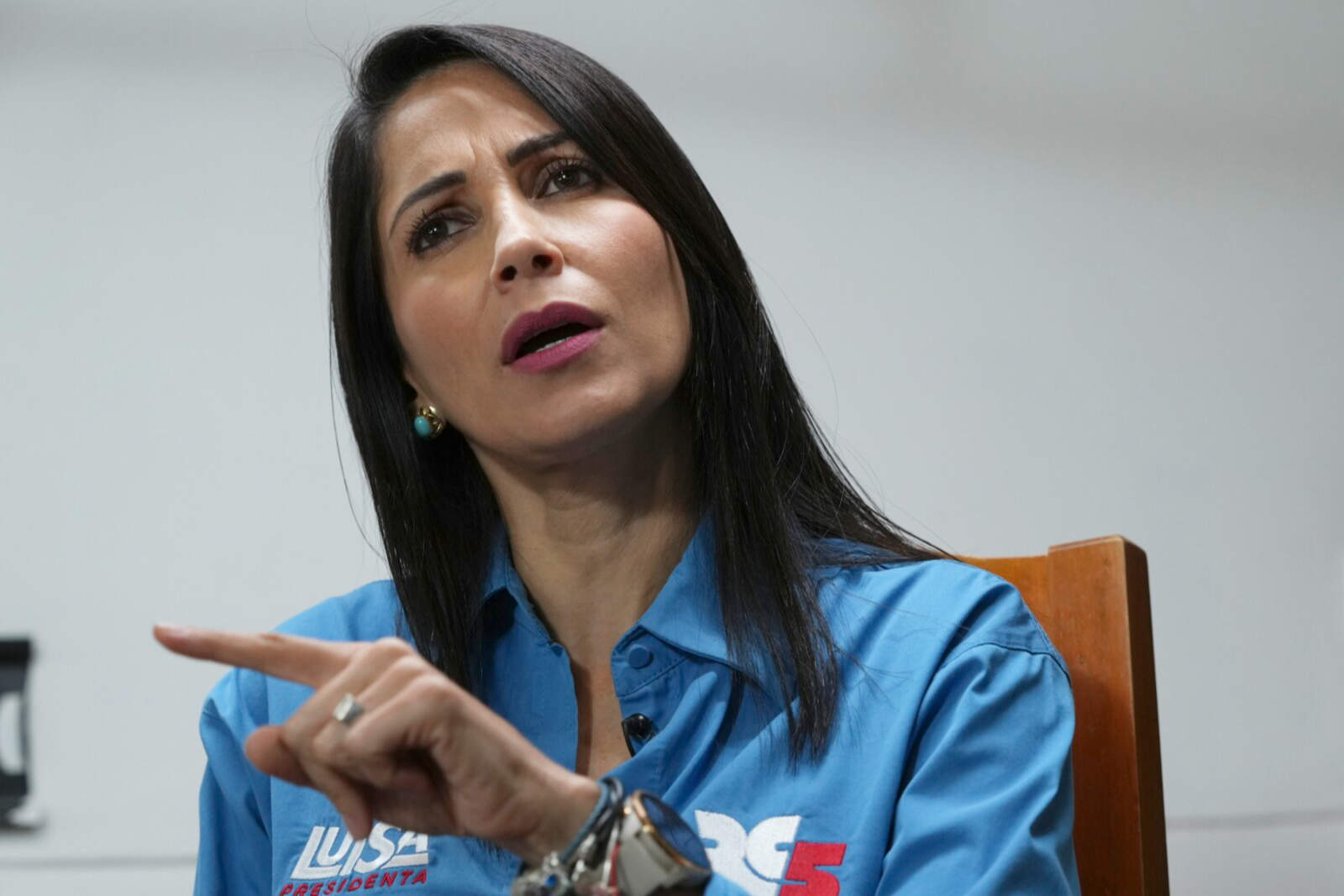
Among the names are figures like Luisa González, Alexis Mera, and the mayor of Guayaquil, Aquiles Alvarez, among others. The Ministry of the Interior of Ecuador has not confirmed the existence of such a list, which casts doubt on the persecution narrative that Petro tries to maintain.

In Borja's specific case, Ecuadorian authorities indicated that he was asked to identify himself and that he voluntarily left the place. The official version dismantles the claim that it was an arbitrary detention, showing that the narrative has been distorted for political purposes.