One and a half years after the implementation of the charging of non-resident foreigners, a policy promoted nationally by the Government of Javier Milei, the public health system in the north of the country shows a significant change.
In the department of Orán, in Salta, the demand for care from pregnant Bolivian women has decreased by nearly 95%, marking a turning point in the functioning of hospitals in the region.
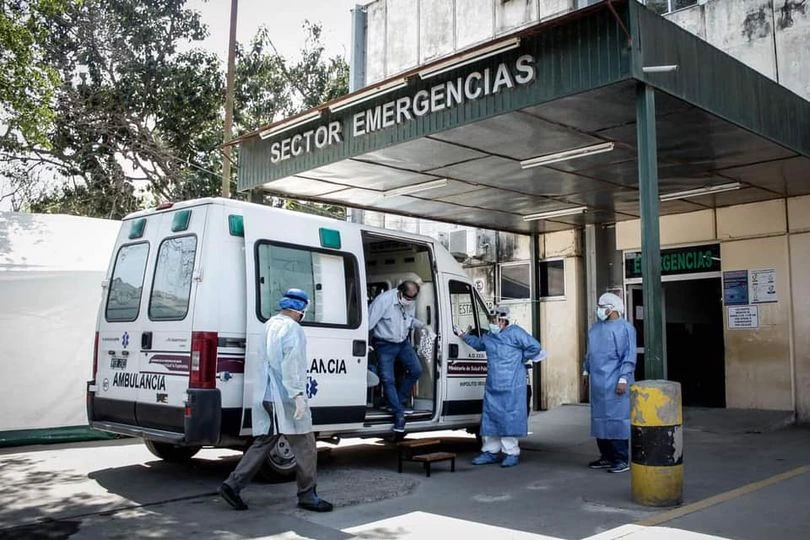
The transformation is clearly observed at the San Vicente de Paul Hospital, one of the main health centers in northern Salta. There, the presence of foreign patients, especially from Bolivia, has drastically fallen since the implementation of the mandatory charge for scheduled medical procedures.
Orán Hospital
As explained by the hospital manager, Silvia Gutiérrez, before the measure, the flow of pregnant women crossing the border from Bermejo was constant. The hospital attended between 30 and 50 births monthly from Bolivian mothers seeking to give birth in Argentina, attracted by the free public system and the possibility of managing nationality and Argentinian DNI for their children.
That scenario has changed significantly. Currently, statistics show that only between 3 and 4 foreign patients per month visit the hospital, and most do so for emergencies, primarily resulting from traffic accidents on National Route 50.
The hospital management also detailed the economic impact that these services entailed. A normal delivery has a base cost of $700,000 per day of hospitalization, a figure that can rise to $2,000,000 when it involves comprehensive care. In this context, the charging has allowed for a reduction in a burden that for years fell on the system funded by Argentine taxpayers.
President Javier Milei
Despite the change, health authorities emphasized that the emergency protocol remains intact: any person entering with a life-threatening condition receives immediate care regardless of nationality. However, all scheduled procedures must be paid for in advance, in line with the new scheme.
For the residents of Orán, Aguas Blancas, and other towns in the department, the drop in foreign demand represents a concrete relief. The lower occupancy of beds and operating rooms translates into more available appointments, reduced waiting times, and a better management of medical supplies.