











Two Chinese citizens were sentenced this Friday to 30 months in prison each for participating in clandestine intelligence operations aimed at obtaining U.S. military information and recruiting members of the Armed Forces as informants for the communist regime of Xi Jinping.
The convicted, Liren ''Ryan'' Lai, 40, and Yuance Chen, 39, acted under the orders of the Ministry of State Security of China (MSS), one of the main espionage agencies of the Beijing regime, according to the U.S. Department of Justice (DOJ).
In addition to prison sentences, both must serve three years of supervised release for conspiring to act and perform as agents of a foreign government without notifying U.S. authorities.

Clandestine operations against U.S. security
According to the Department of Justice, the defendants participated in various undercover activities, including the clandestine delivery of money in exchange for sensitive national security information.
One of the mechanisms employed was the so-called ''dead drop,'' a technique used by espionage services to exchange money or information without the involved parties having to meet physically.
Authorities also determined that both collected information about U.S. military facilities and assisted in identifying potential informants within the Armed Forces.

The Deputy Attorney General for National Security, John A. Eisenberg, described Lai and Chen's activities as extensive and brazen, asserting that the U.S. government will continue to pursue those who facilitate foreign espionage operations.
For his part, federal prosecutor Craig H. Missakian stated that the actions of the convicted aimed to undermine the national security of the United States.
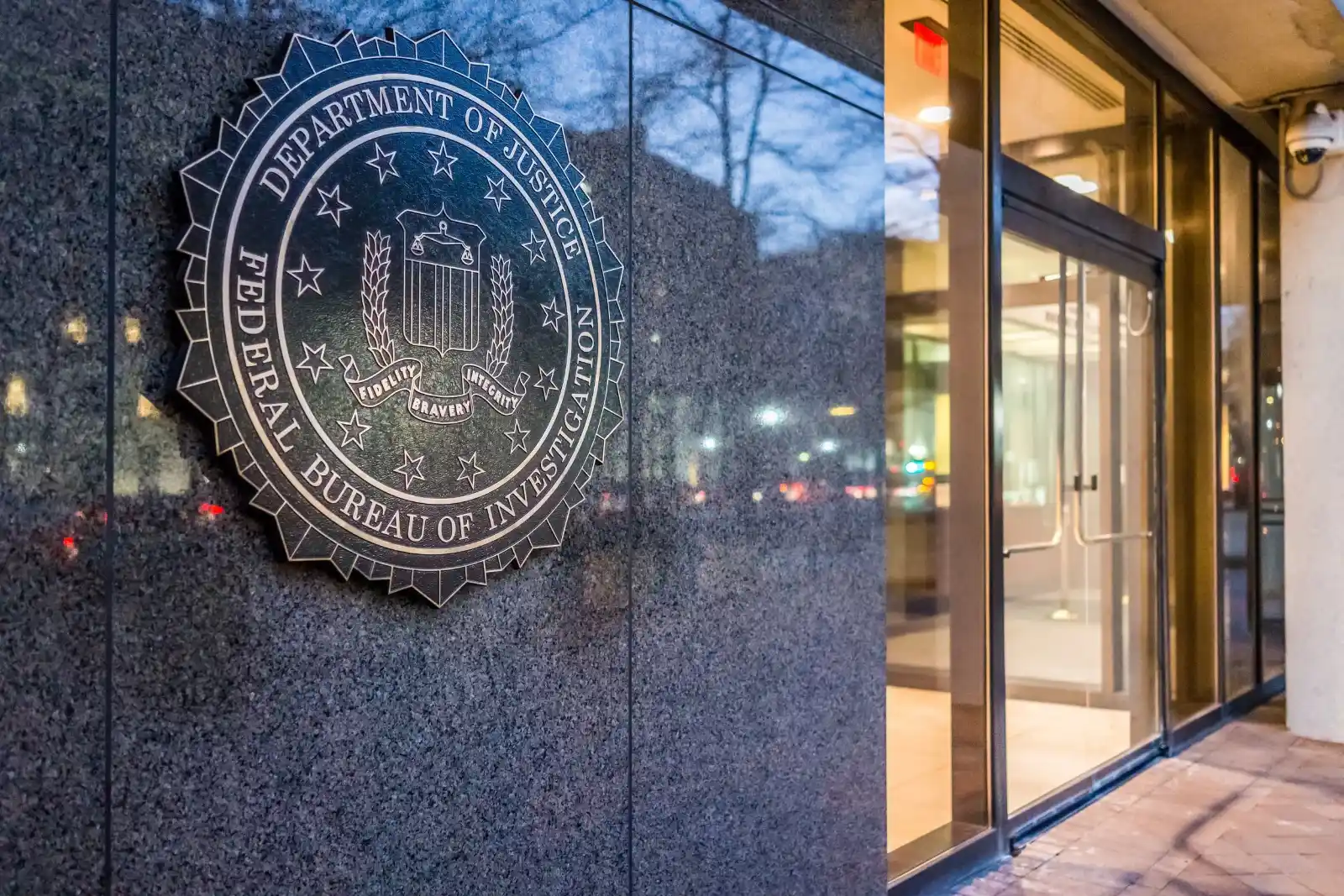
Roman Rozhavsky, deputy director of the FBI's Counterintelligence and Espionage Division, warned that the Chinese regime's attempts to infiltrate the U.S. Armed Forces demonstrate how far Beijing is willing to go to threaten the country's security.
Photographs of military bases and recruitment searches
Court documents revealed that Chen initially entered the United States in 2015 on a tourist visa and later obtained conditional permanent residency after marrying a U.S. citizen in 2022.