The Cuban Observatory of Human Rights recorded a five percentage point increase compared to the previous year. The report also reveals a significant deterioration in food and household incomes amid the deep economic crisis on the island
The crisis of Miguel Díaz-Canel's regime has deteriorated again and reached a new record. According to the IX Study on Social Rights in Cuba, prepared by the Cuban Observatory of Human Rights (OCDH), 94% of Cubans currently live in extreme poverty, up from 89% recorded in the previous report. This represents an increase of 5 percentage points in just one year.
The data reflects the worsening of an economic crisis that directly affects families' ability to meet their basic needs. The OCDH uses the international extreme poverty threshold of US$1.90 per day per person as a reference, so its results aim to measure the real capacity of households to reach a minimum level of subsistence.
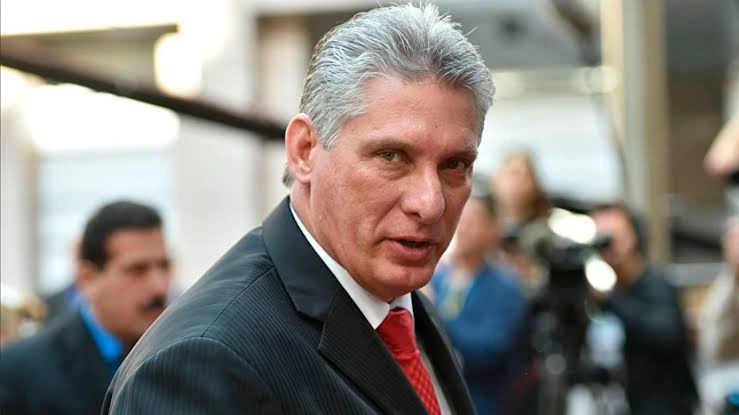
The Cuban dictator Miguel Díaz-Canel
Additionally, Eight out of ten Cubans reported being forced to skip breakfast, lunch, or dinner at least on one occasion due to lack of money or food. Furthermore, nine out of ten people cannot guarantee three daily meals, a situation that highlights the impact of scarcity and the rising cost of living.
Household incomes also show the depth of the crisis. The report states that 68% of Cuban households report monthly incomes below 20,000 Cuban pesos, an amount that the OCDH estimates to be approximately US$30 per month based on the exchange rate used for its study.
The economic deterioration adds to other problems that daily affect the population, including blackouts, shortages of medicines, difficulties accessing food, and the deterioration of public services. In the previous OCDH study, blackouts were already identified as one of the main concerns of Cubans, even above other economic issues.
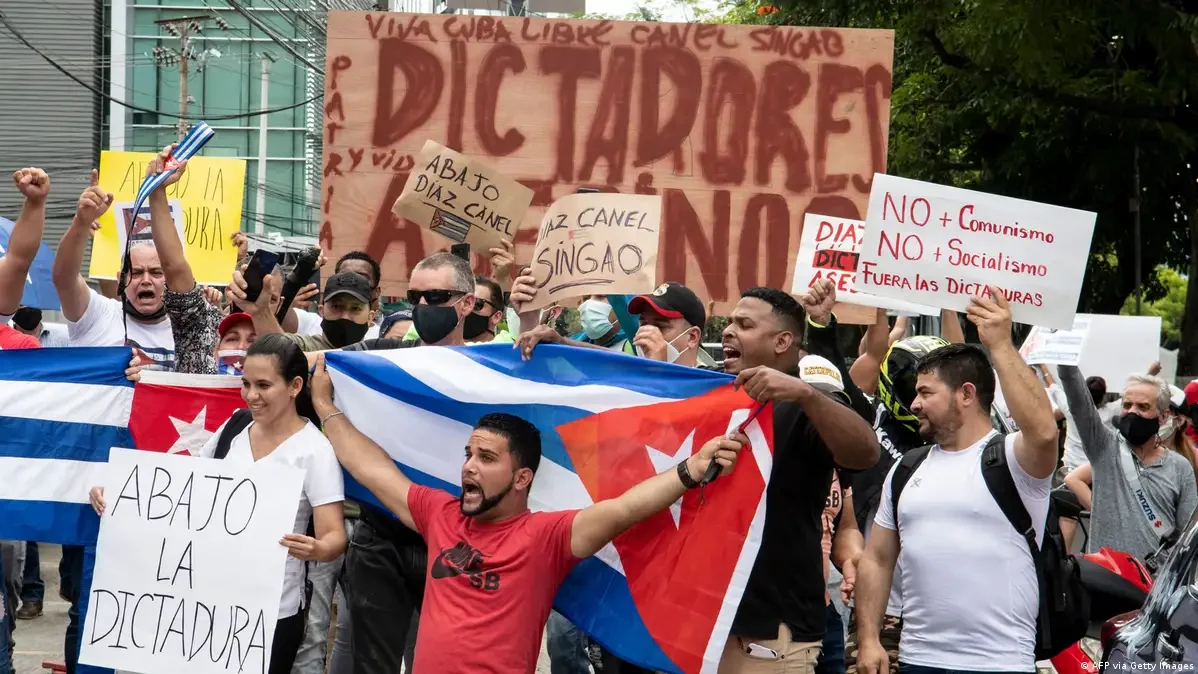
Cubans protesting against the Cuban dictatorship
The new report also comes at a time of growing social discontent. The economic crisis, supply issues, and prolonged power outages have led to an increase in protests in various parts of the island. At the same time, human rights organizations have reported a strong repression against those participating in demonstrations or expressing criticism of the Government.
With 94% in extreme poverty, a population facing increasing difficulties in ensuring their three daily meals, and 68% of households with incomes below about US$30 per month, the new OCDH report presents a critical picture of the social situation in Cuba and shows that the crisis continues to deepen.