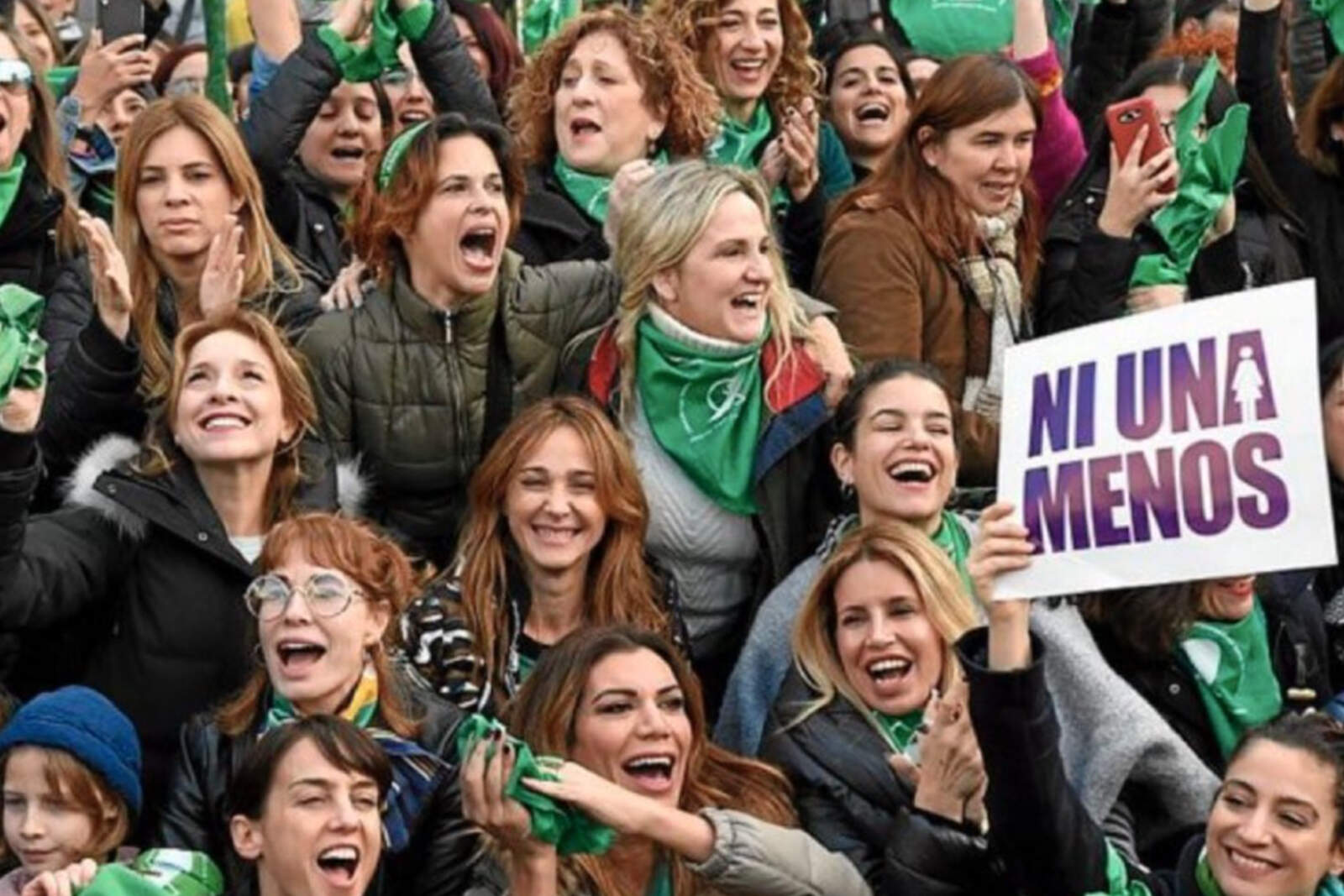
The activists marching 'for women' decided to ignore a heinous crime linked to Peronist power
Compartir:
The life sentence against César Sena and his parents for the murder of Cecilia Strzyzowski marked a turning point in Chaco's justice system. However, what also marked a turning point was the absolute silence of the country's loudest feminist organizations, which for years turned every high-profile case into a political banner, except when the accused were linked to Peronism.
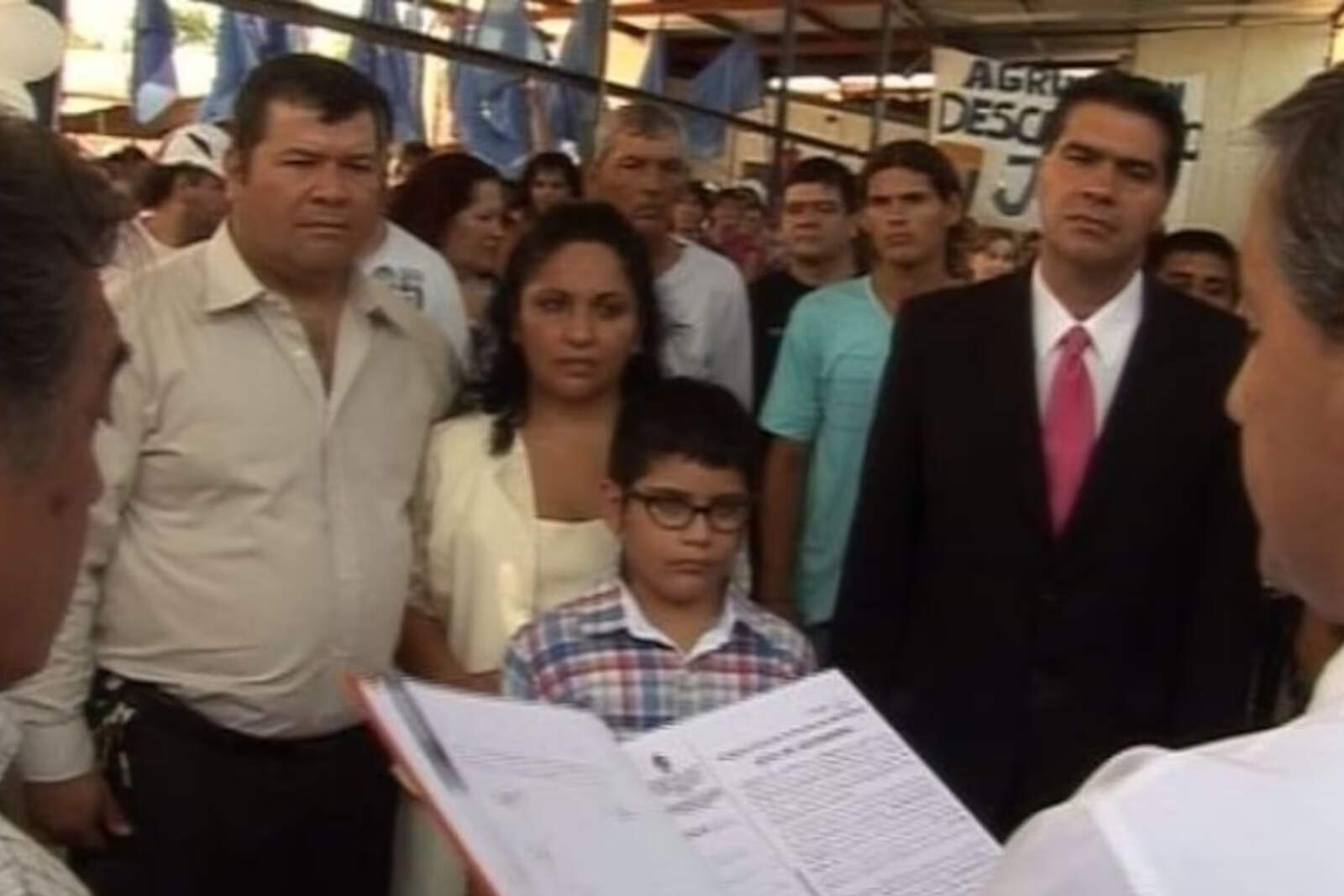
Cecilia's murder was one of the most shocking in recent times: deceived, murdered, wrapped in a carpet, incinerated in a field, and reduced to ashes. Such cruelty mobilized all of Chaco society, which demanded justice in the streets and finally found an answer in a popular jury that found the entire Sena clan guilty. The reaction of feminist groups was practically nonexistent: no marches, no statements, no mass campaigns. There were only a few isolated, timid expressions, lacking the militant force they usually display in other cases. Jorge Capitanich, ex gobernador peronista, fue padrino de boda del matrimonio Sena.
The organizations that fill entire avenues to protest against "patriarchal violence" chose to remain silent when the case directly affected a political apparatus to which they have historically replied. Emerenciano Sena and Marcela Acuña, now convicted, were not just local leaders, but allies of then-governor Jorge Capitanich, who even included them on his electoral lists. That political closeness partly explains why feminist sectors avoided turning the case into a national cause.
Meanwhile, Cecilia's family faced their demands for justice alone. The only mass mobilizations came from neighbors, independent civil organizations, and ordinary citizens who did not answer to any party structure. They were the ones who kept the demand alive for months, not the groups that claim to represent all the women in the country. Mujeres "empoderadas" del peronismo.
For certain sectors, some victims seem to matter more than others. When the accused serves a partisan agenda, there is noise. When it exposes the corruption, impunity, and lack of control of the Peronist apparatus, silence follows: there is no statement from Cristina Kirchner, no videos from Ofelia Fernández, no tweets from Malena Pichot, nor programs from Julia Mengolini.
Saturday's verdict not only delivered justice for Cecilia, but also exposed the selective priorities of a movement that, far from defending all women, acts as an appendage of the political power it serves. The silence in this case is no coincidence: it is complicity.
Jorge Capitanich fue jefe de Gabinete de Cristina Kirchner.
Today, as justice moves forward with the life sentence and an imminent federal trial for money laundering, society once again clearly sees what many suspected: militant feminism doesn't speak when the truth is uncomfortable for its allies. That silence, in the face of such an atrocious crime, says more than any slogan painted on a banner.