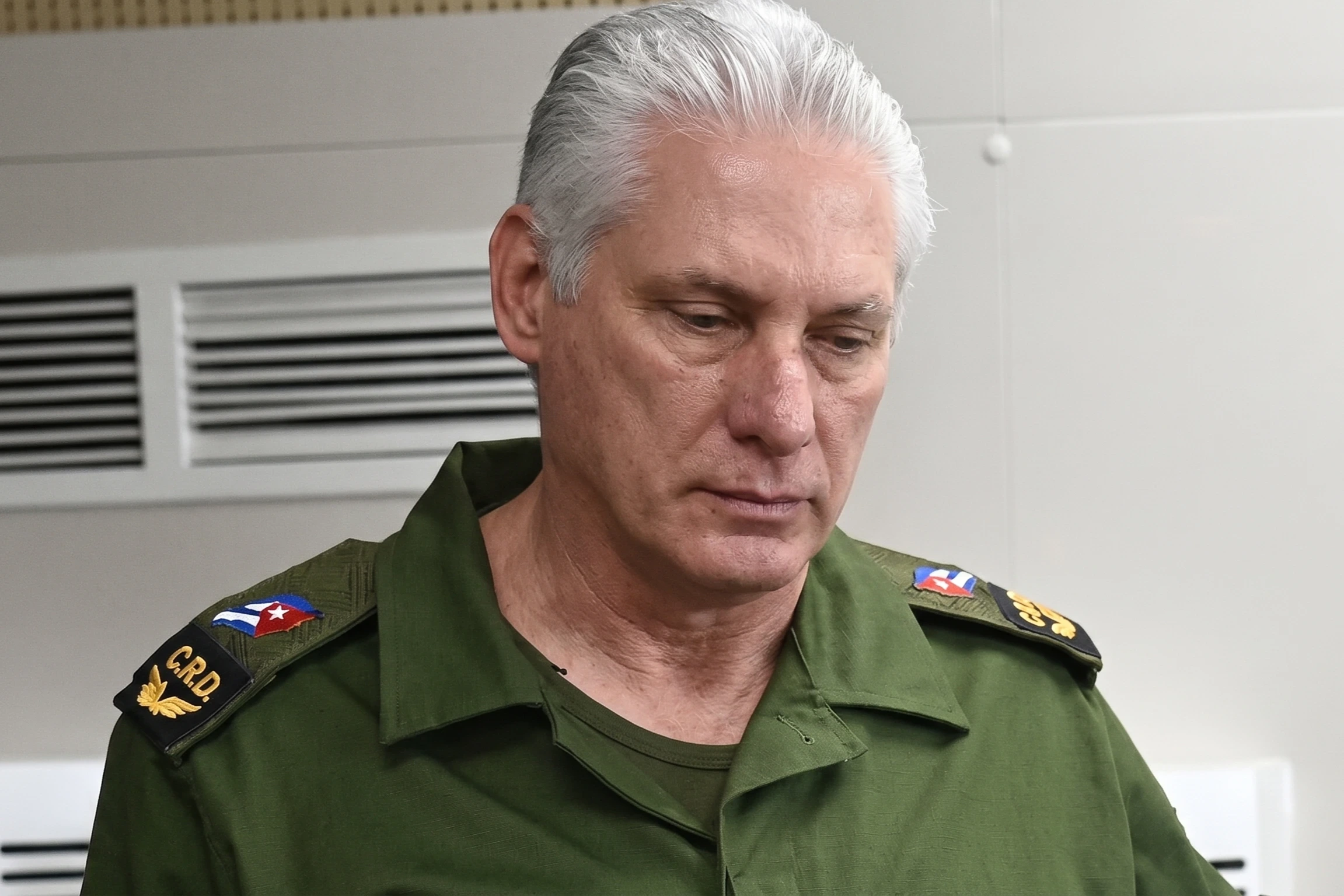
The dictator of Cuba, Miguel Díaz-Canel, publicly acknowledged what he tried to deny for years. Daily life on the island “hurts” due to the lack of the most basic things
.
His statements reveal an obvious reality: the model of the Cuban regime has led the country to a profound crisis.
A belated acknowledgment of the Díaz-Canel disaster
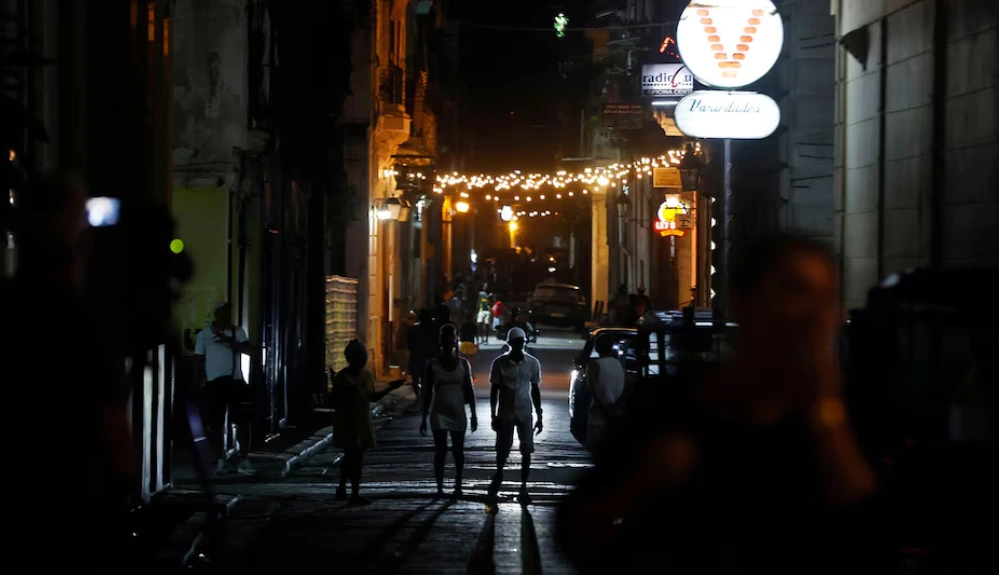
described constant blackouts, lack of fuel and service stoppage. He also spoke of the “suffering of the people”.
However, the diagnosis is late. The crisis is not new. It's the result of decades of failed policies
.
The regime is now trying to partially admit the problem, but without assuming real responsibility.
A collapsed system that provides no answers
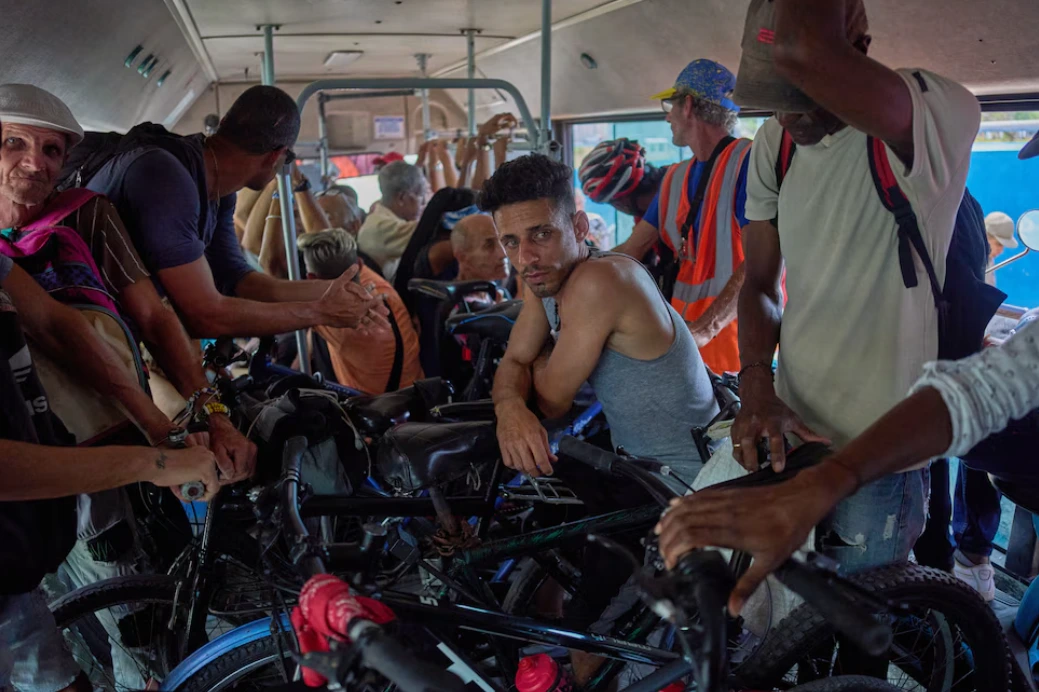
Cuba is facing a severe energy crisis. The lack of foreign exchange and the deterioration of infrastructure aggravate the situation
.
Transportation, industry and basic services are affected. The shortage even affects essential products.
The recognition of the government itself confirms the collapse of the system.
The regime seeks external excuses
.
As usual, Díaz-Canel held the United States responsible for the situation.
However, he also mentioned “his own mistakes”. A minimum admission in the face of structural failure.
Meanwhile, the regime maintains tight control over the population.
International rejection and growing pressure
The statements coincide with a context of increased international pressure. Sectors of Cuban exile demand stronger actions against the regime
.
President Donald Trump called the Cuban government “very oppressive.”
He also noted the human rights violations affecting the population.
An exhausted model
The recognition of Díaz-Canel reveals what is happening on the island. Cuba is facing a profound economic and social crisis.
The regime is trying to sustain its narrative. But reality is increasingly difficult to hide.
The collapse of the Cuban system is not temporary. It is the result of a model that, after decades, shows its limits.