











Within the framework of a statist economic model that insists on intervening in markets and raising the tax burden, the regime led by Luiz Inácio Lula da Silva has dealt a new blow to the pockets of Brazilian citizens. Through a stance of tariff protectionism, the central administration has once again resorted to increasing taxes on foreign trade to shield corporate industrial sectors, raising the costs of mass replacement inputs and punishing the working population that depends on daily transportation to generate their income.
In the specific breakdown of the measure, the Import Tax applied to passenger car tires suffered a direct increase, rising from 25% to 30%. This new rate will have a strict validity of 12 months, taking effect from Tuesday, November 10, 2026 until November 9, 2027. The official resolution was adopted by the Executive Management Committee (Gecex) of the Foreign Trade Chamber (Camex) and was formally published in the Official Gazette of the Union on Monday, November 9.
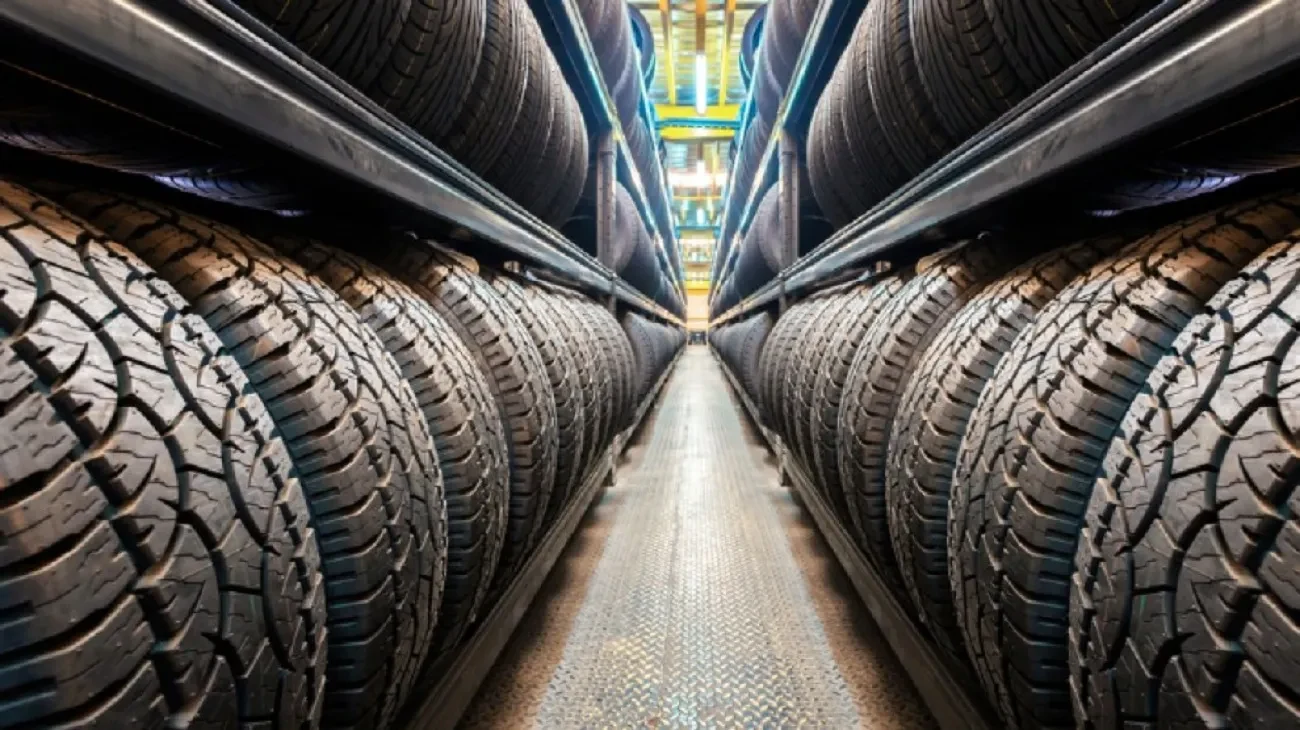
It is worth noting that the ordinary tariff rate for this type of product is set at 16%, but the Petista administration had temporarily maintained it at 25% since October 2024, before partially yielding to the pressure from the national industry, which demanded an even higher protectionist rate of 35%.
Diving into the technical specifications of the increase, the customs adjustment exclusively affects new tires for passenger cars and mixed-use vehicles. In contrast, tires intended for motorcycles and trucks were excluded from the increase, maintaining a relative relief for delivery riders and truck drivers. Additionally, the government has decided to permanently close the automatic licensing mechanism for importers, adding new bureaucratic hurdles to commercial operations.