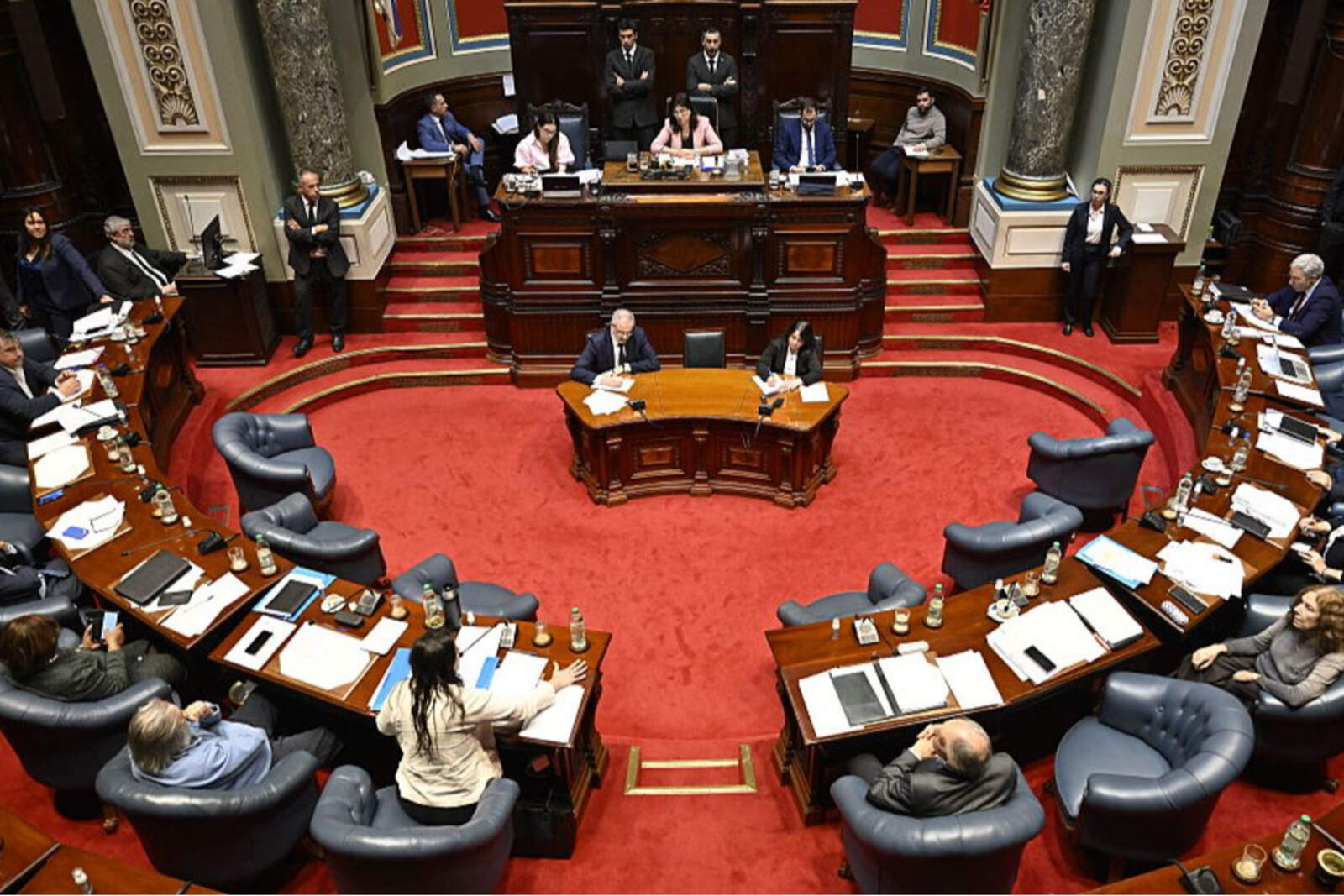
The proposal was promoted by the Frente Amplio (FA), the left-wing party that governs the country
Nuevo
Agregar La Derecha Diario en
Compartir:
After obtaining preliminary approval in the Chamber of Deputies last August, the Senate of Uruguay approved and enacted the euthanasia bill, an initiative that still generates debate and resistance in various sectors of society.
Under the name "Dignified Death," the proposal promoted by Frente Amplio (FA), the left-wing party that governs the country, decriminalizes "assisted death" under certain conditions. The Senate gave the green light to the regulation on Wednesday, with 20 votes in favor out of a total of 31 legislators present, thus consolidating its final approval.
With this approval, Uruguay joins the group of nations that allow euthanasia, along with Canada, the Netherlands, New Zealand, and Spain. In Latin America, Colombia and Ecuador had decriminalized euthanasia through judicial means, but this is the first time it has been approved by law in the region.
El Senado uruguayo.
Among the established requirements are being of legal age, a citizen or resident in the country, and being mentally competent and in the terminal phase of an incurable disease or one that causes intolerable suffering and a severe deterioration in quality of life.
The process
The legal text establishes that the physician to whom the request is presented may reject the application, in which case the patient has the right to consult another professional. If this professional also denies it, a medical board will be formed, consisting of three professionals: a psychiatrist, a specialist in the patient's pathology, and a third physician defined by the regulations. In addition, health institutions may refuse to carry out the procedure.
If accepted, the attending physician must refer the case to a second professional, who will have access to the clinical history and will hold an in-person consultation with the applicant. If this professional confirms the first's assessment, the process may continue.
Bandera de Uruguay.
Before finalizing the decision, the patient must express their will in writing and before witnesses, and will have the possibility to withdraw their decision at any stage of the procedure.
Meanwhile, the Catholic Church expressed its "sadness" after the bill was approved in the Chamber of Deputies, stating its disagreement with the legalization of euthanasia. At the same time, more than a dozen civil organizations criticized the text of the law, describing it as "deficient and dangerous" due to the risks and legal gaps present in its wording.