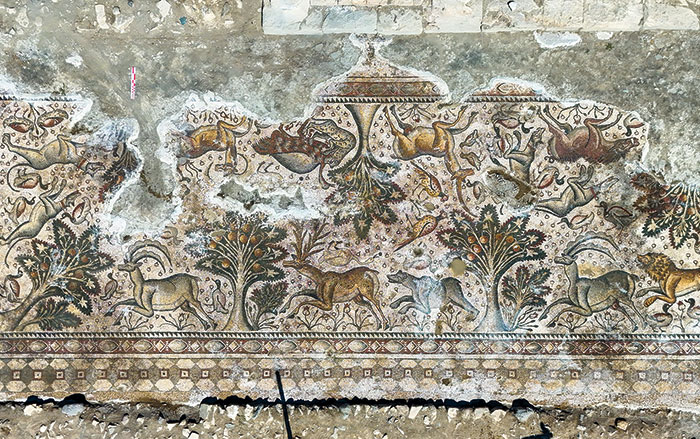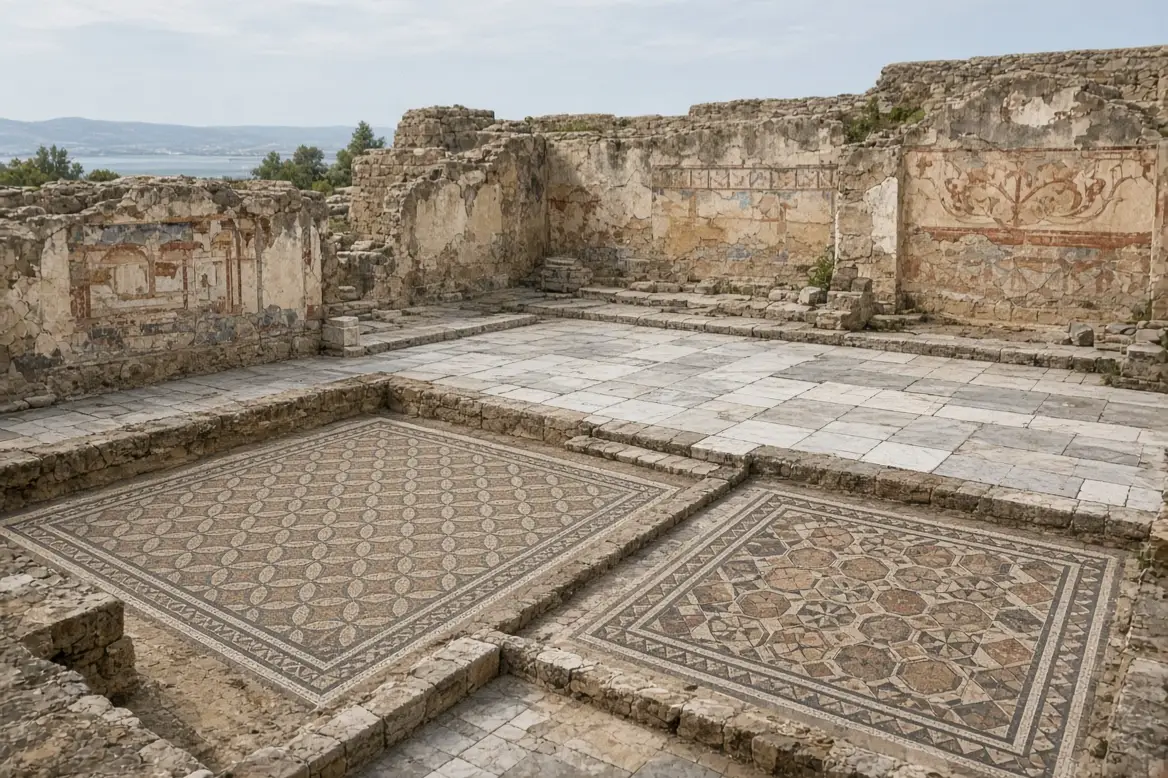

A team of researchers led by Akin Ersoy from İzmir Katip Celebi University has announced the discovery of three possible public spaces in the agora of the ancient city of Smyrna, located on the Aegean coast of Anatolia, in present-day Turkey. The sectors date back to the 5th and 6th centuries AD and feature elaborate floors, as well as mural paintings that had not been recorded in that area of the archaeological site until now.
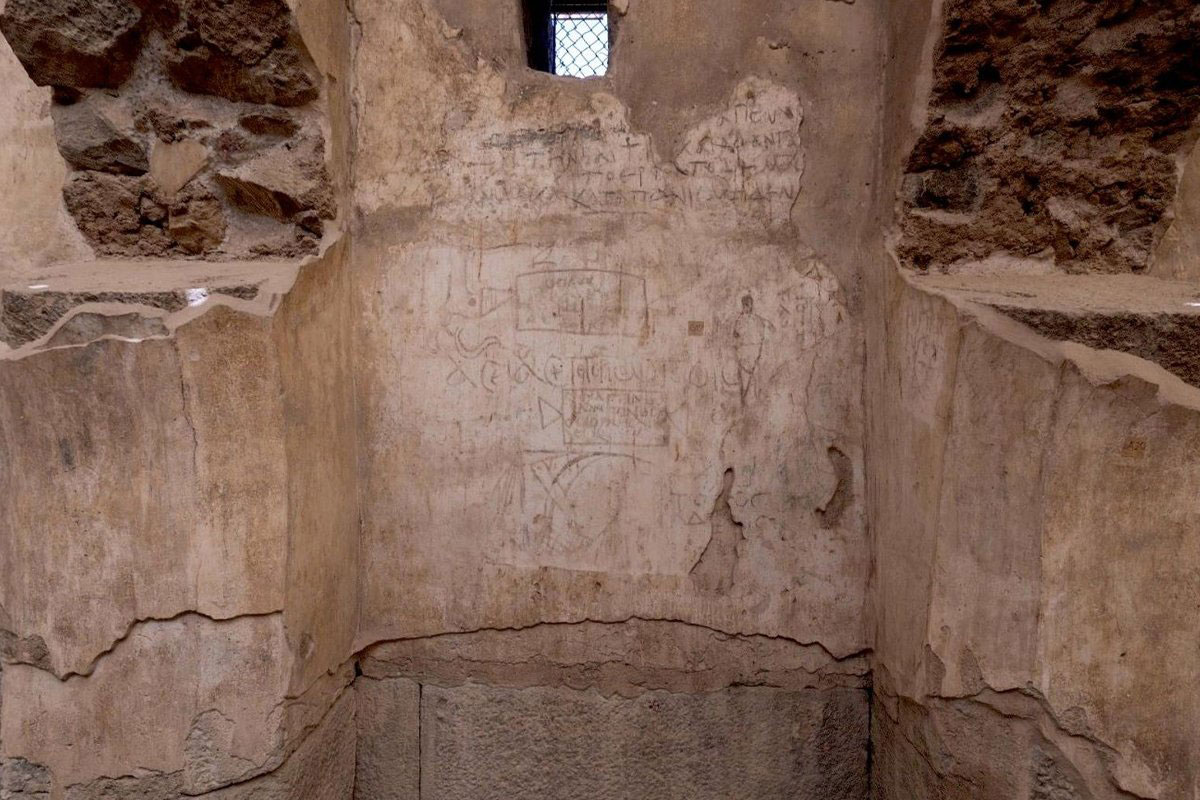
Two of the environments have mosaic floors, while the third retains a marble floor. The paintings were found both in the agora and in the theater of the ancient city. The discovery marks a significant moment for the understanding of the late occupation of Smyrna, one of the great Greek urban centers of the Aegean.
Ersoy emphasized the unprecedented nature of the findings. “This is the first time we have found mural paintings in these spaces,” the researcher stated. He added: “Until now, we had never found anything like this in the agora of Smyrna or around the theater.”
The information was disseminated by Türkiye Today and reported by Archaeology Magazine. The work focuses on the civic heart of the ancient city, an area that over the centuries combined commercial, administrative, and social functions.
 An unprecedented record in the agora
The presence of mural paintings in public spaces of the agora and the theater changes the perception of the decoration of these areas during Late Antiquity. Until this moment, researchers had not documented this type of remains in those sectors of Smyrna.
The three identified spaces may have functioned as meeting places or venues for collective activities. The combination of mosaic and marble floors suggests special care in their arrangement, consistent with the prestige that the agora still held during that historical stage.
Smyrna, also known as Smyrna, occupied a central place in the network of Greek cities in Asia Minor. Its agora was the center of public life for centuries. The new data provide concrete information on how these spaces were used and beautified between the 5th and 6th centuries.