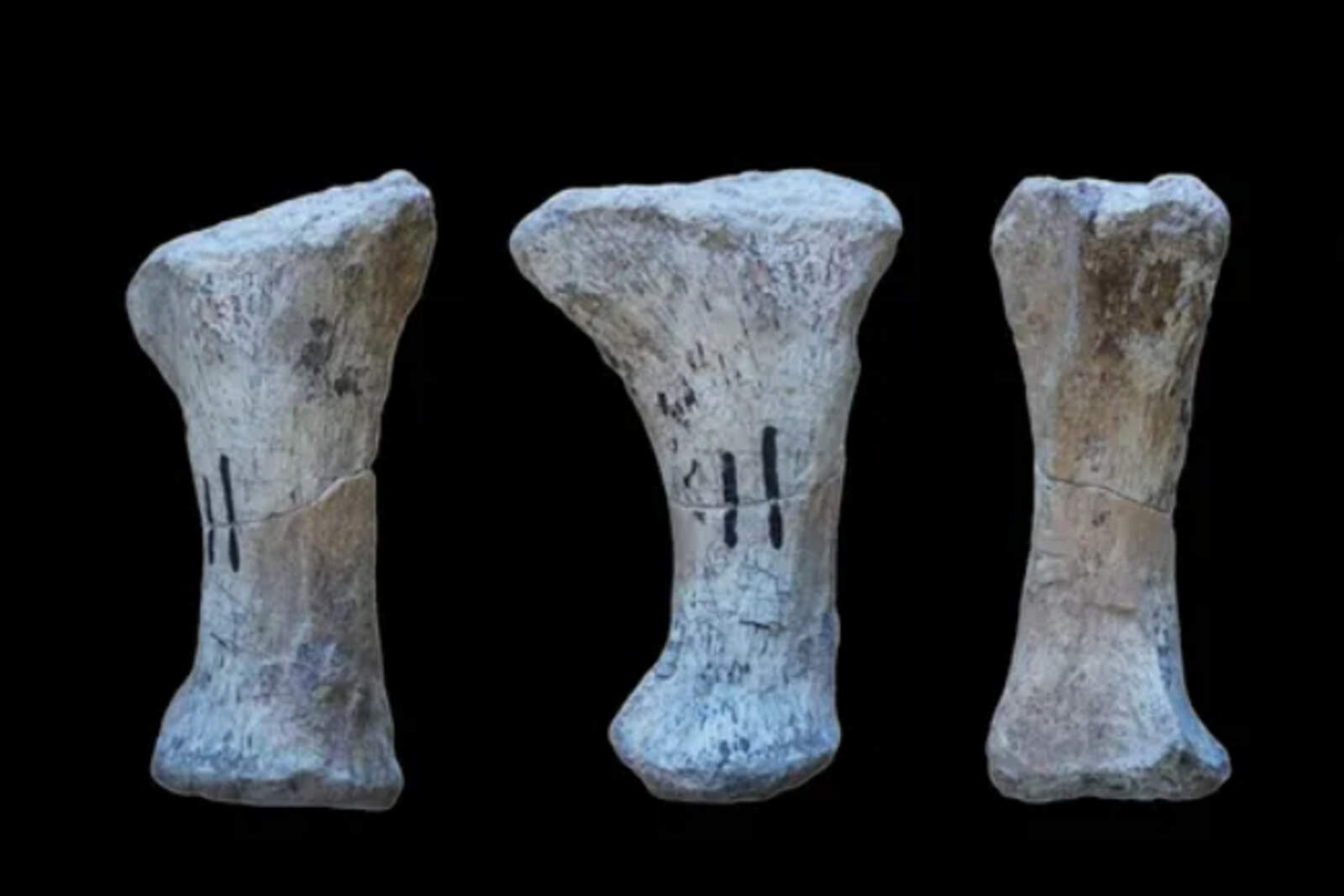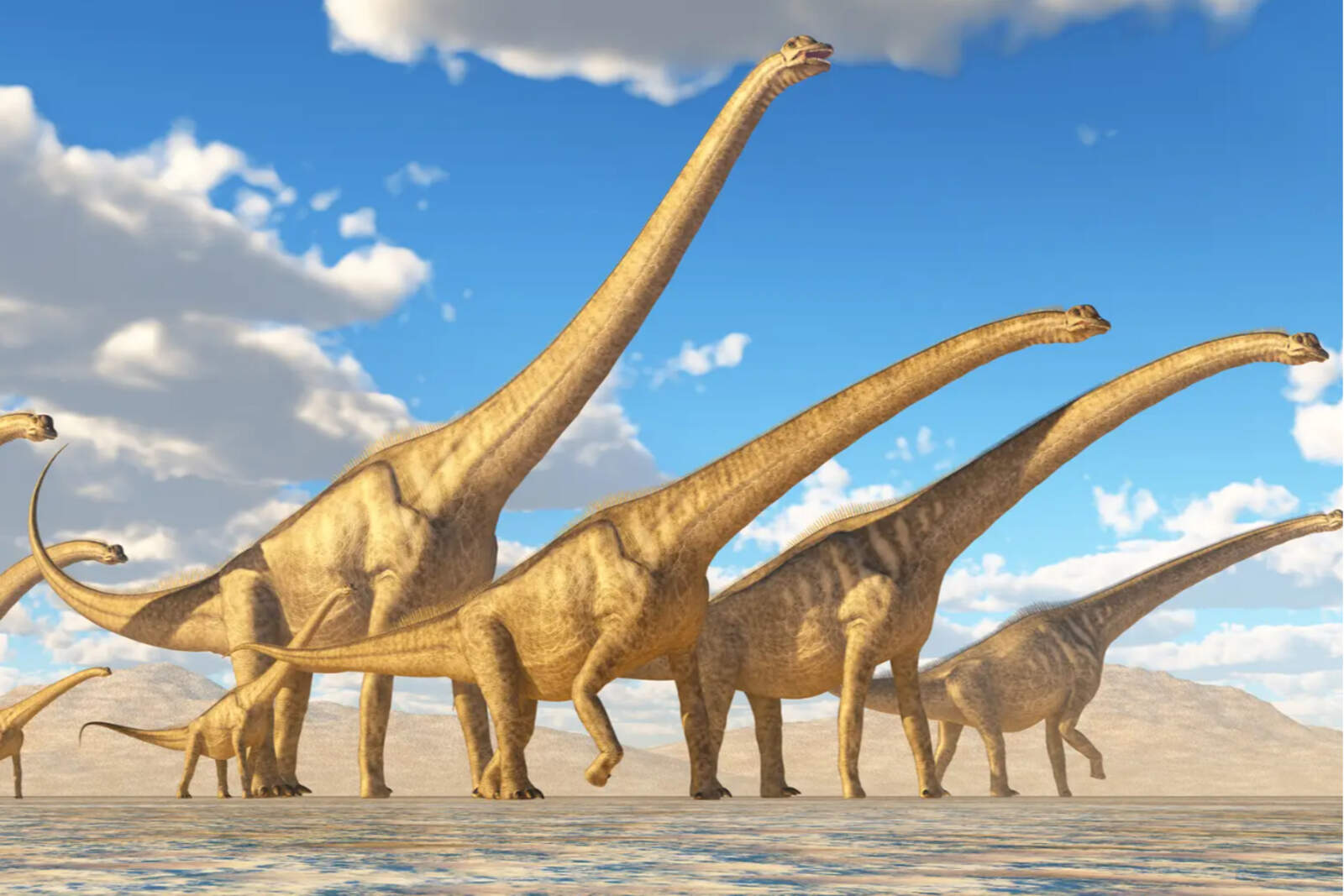

A team of paleontologists has discovered an ancient lagoon ecosystem in Argentine Patagonia that hosted a great diversity of species 78 million years ago. The excavations, conducted in a quarry near General Roca, have allowed the recovery of 432 fossils from more than 100 groups of animals, including fish, turtles, crocodile relatives, and dinosaurs.
The most notable finding is a new species of titanosaur, named Chadititan calvoi. The study, carried out by researchers from Argentina and Uruguay, was published on March 5 in the Journal of the Argentine Museum of Natural Sciences.
A unique ecosystem in prehistoric Patagonia
The site is considered an oasis in an arid environment, where temperatures were up to 10°C higher than today. According to Diego Pol, a paleontologist at the Argentine Museum of Natural Sciences Bernardino Rivadavia, water played a crucial role in the concentration of biodiversity.
The name of the new titanosaur refers to the Mapuche word "Chadi" (salt), in honor of its location near Salitral Moreno, while "calvoi" pays tribute to Argentine paleontologist Jorge Calvo, a specialist in titanosaurs.
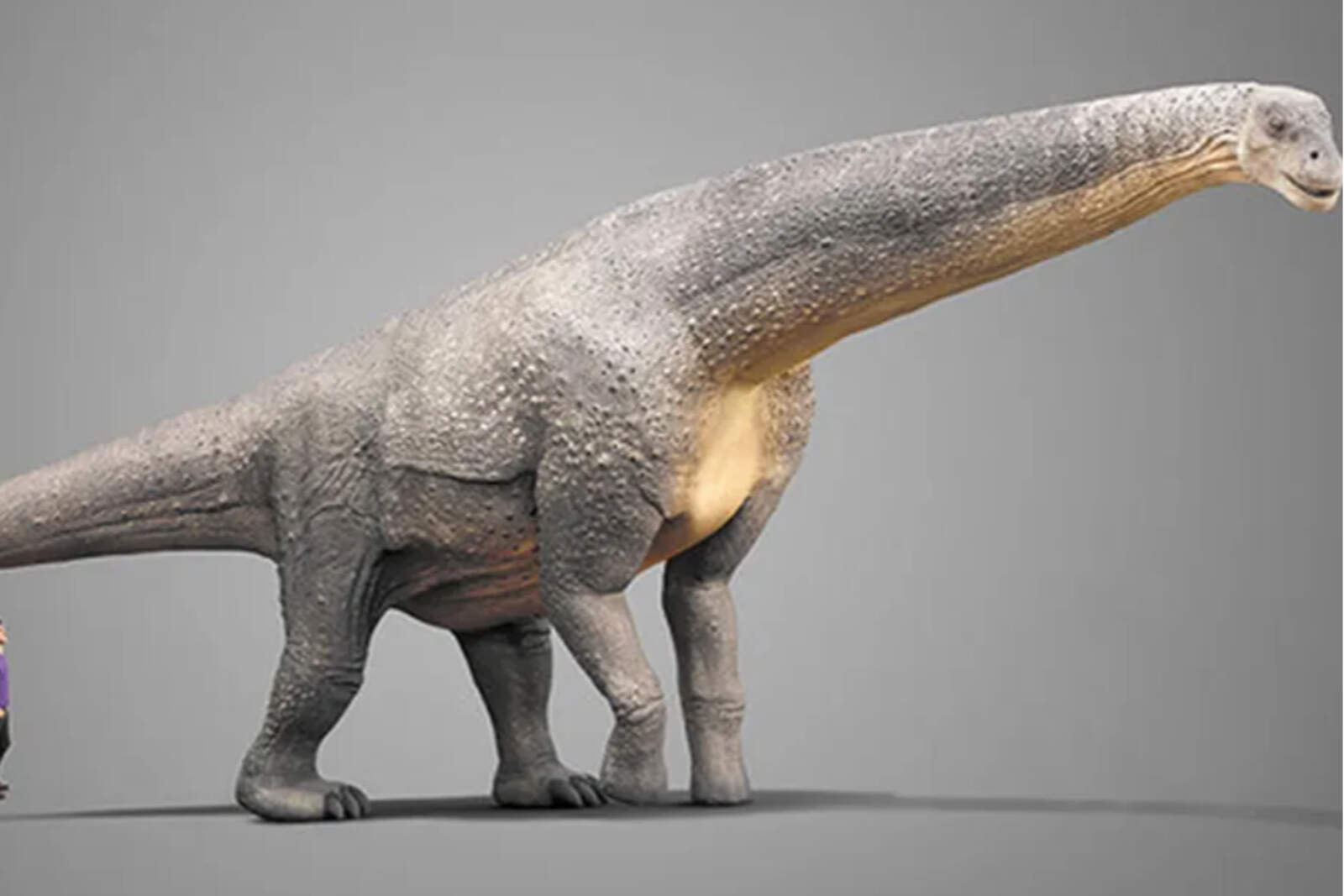
What was Chadititan calvoi like?
Titanosaurs were characterized by their colossal size, with some species reaching over 30 meters long. However, Chadititan calvoi was smaller, with an approximate length of 7 meters (23 feet), similar to that of a minibus.