The design of the tomb was also key in the identification:
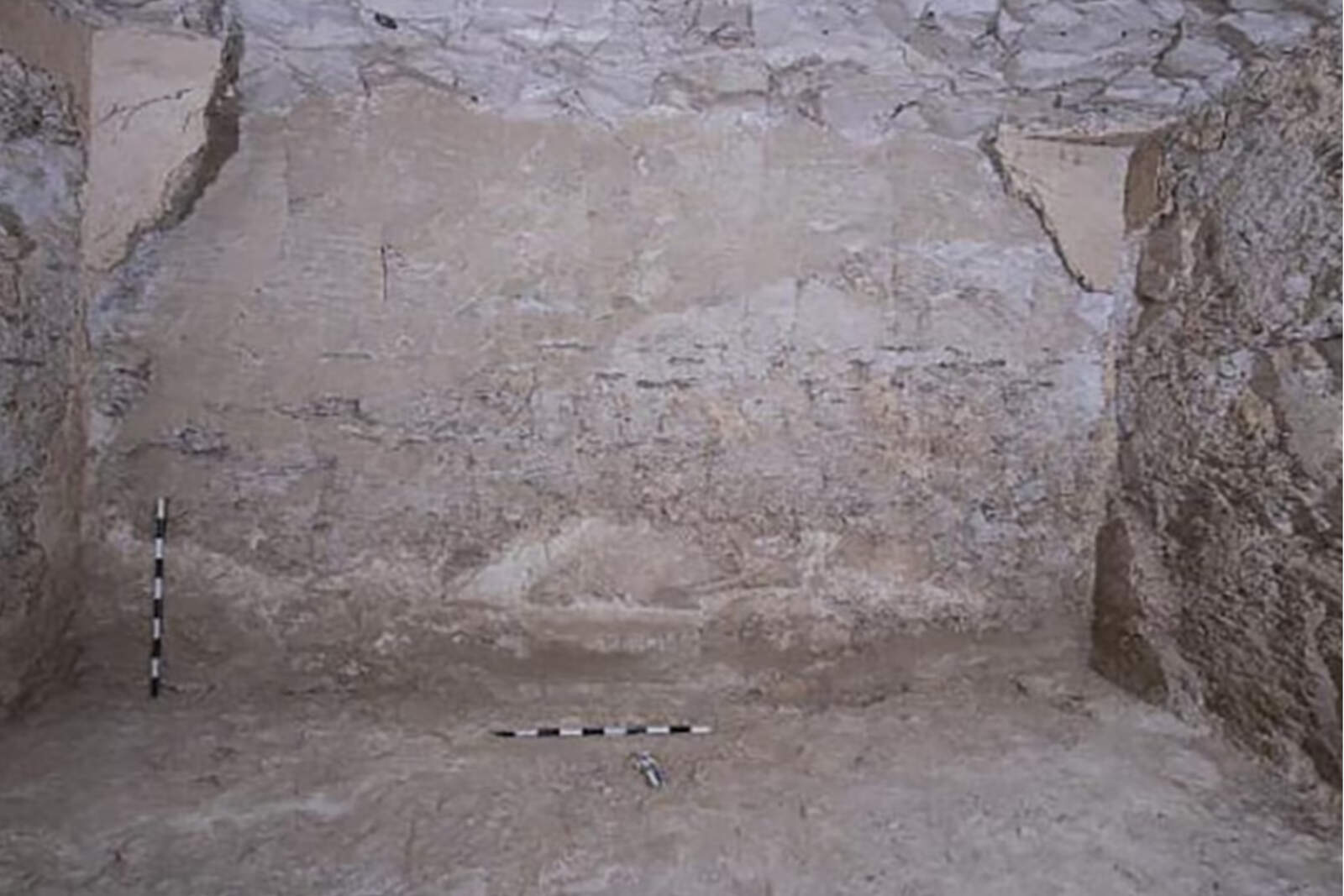
It features a plastered corridor leading to the burial chamber.
Its floor is raised 4.6 feet (1.4 meters) above the main passageway, an architectural style that served as a prototype for future royal tombs of the 18th Dynasty.
Floods and looting: the deterioration of the tomb
The state of conservation of the tomb is precarious due to a flood that occurred shortly after the pharaoh's death. The water flooded the interior, damaging funerary furniture, decorations, and religious texts.
A team of Egyptian and British archaeologists has confirmed the discovery of Pharaoh Thutmose II's tomb, the fourth monarch of Egypt's 18th Dynasty.
This discovery, announced by Egypt's Ministry of Tourism and Antiquities, is the first of its kind since the discovery of Tutankhamun's tomb in 1922 and marks the end of the search for the last lost burial of the pharaohs of this dynasty.
A historic discovery in the Valley of the Kings
The entrance to the tomb, identified as C4, was discovered in October 2022 in Wadi Gabbanat el-Qurud, west of Luxor, 1.5 miles (2.4 kilometers) from the Valley of the Kings. The project was led by the New Kingdom Research Foundation (NKRF) in conjunction with Egypt's Supreme Council of Antiquities, who have worked for two years at the site.
Initially, the archaeologists thought the tomb belonged to a queen of the Thutmosid dynasty, given its proximity to the tombs of Thutmose III's wives and Queen Hatshepsut, who was the wife and successor of Thutmose II. However, new evidence has confirmed that the tomb belongs to the pharaoh himself.
Las pruebas que demuestran el dueño de la tumba
Who was Thutmose II?
Thutmose II, also called Aajeperenra, ruled Egypt between 1493 B.C. and 1479 B.C. He was the son of Thutmose I and half-brother of Hatshepsut, who would later become one of the most influential rulers of the New Kingdom.
The pharaoh died before reaching 40 years old, and his mummy was found in 1881 in Deir el-Bahari, along with the remains of other monarchs like Ramses II and Seti I. However, until now, the location of his original tomb was unknown.
Evidence that confirmed the identity of Thutmose II
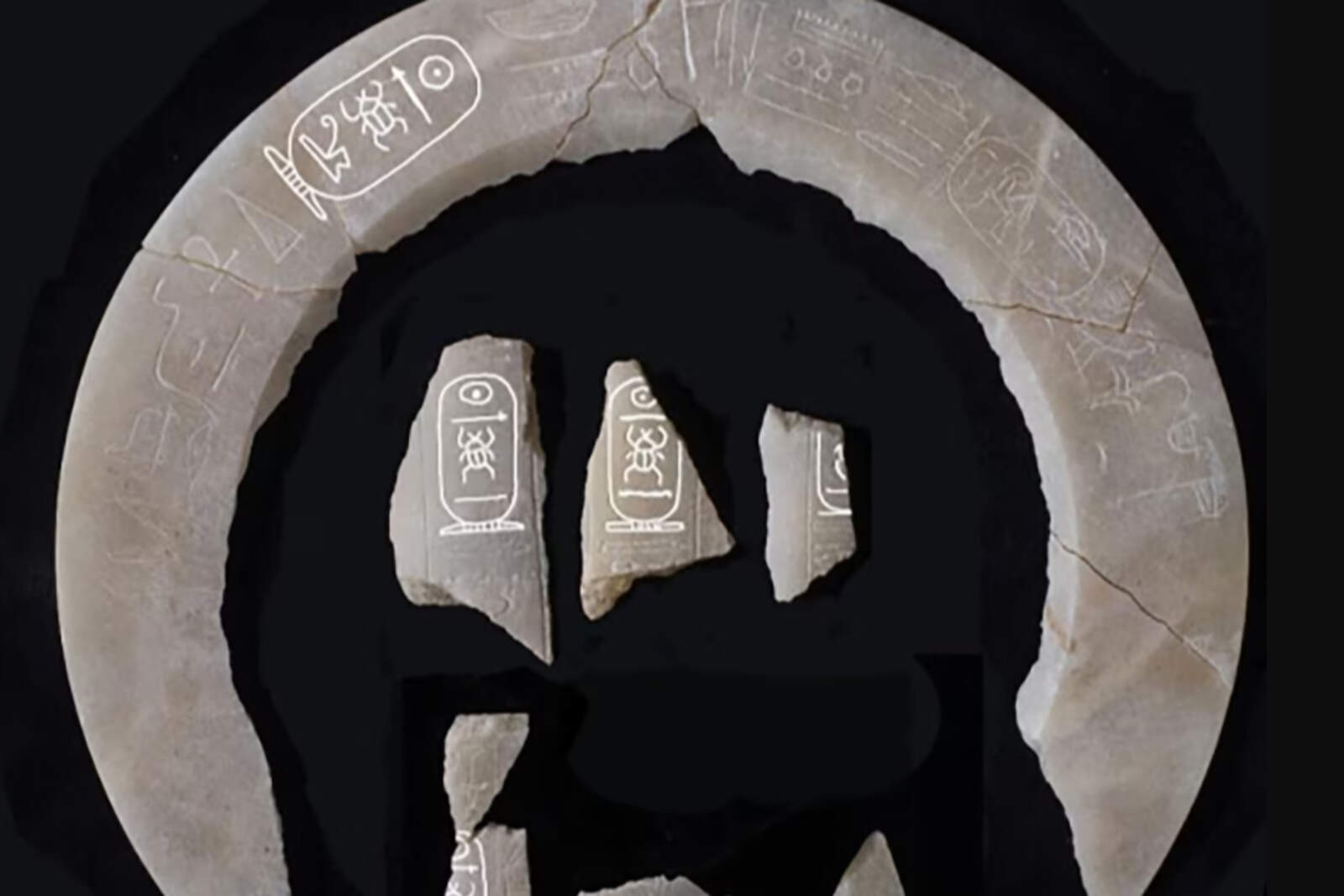
Dr. Mohamed Ismail Khaled, Secretary-General of the Supreme Council of Antiquities of Egypt, explained that inside the tomb, fragments of alabaster vessels were found with inscriptions mentioning Thutmose II as the "deceased king". Additionally, texts were found referring to his wife, Queen Hatshepsut, who oversaw the preparations for his burial.
El daño que la inundación provocó en la tumba
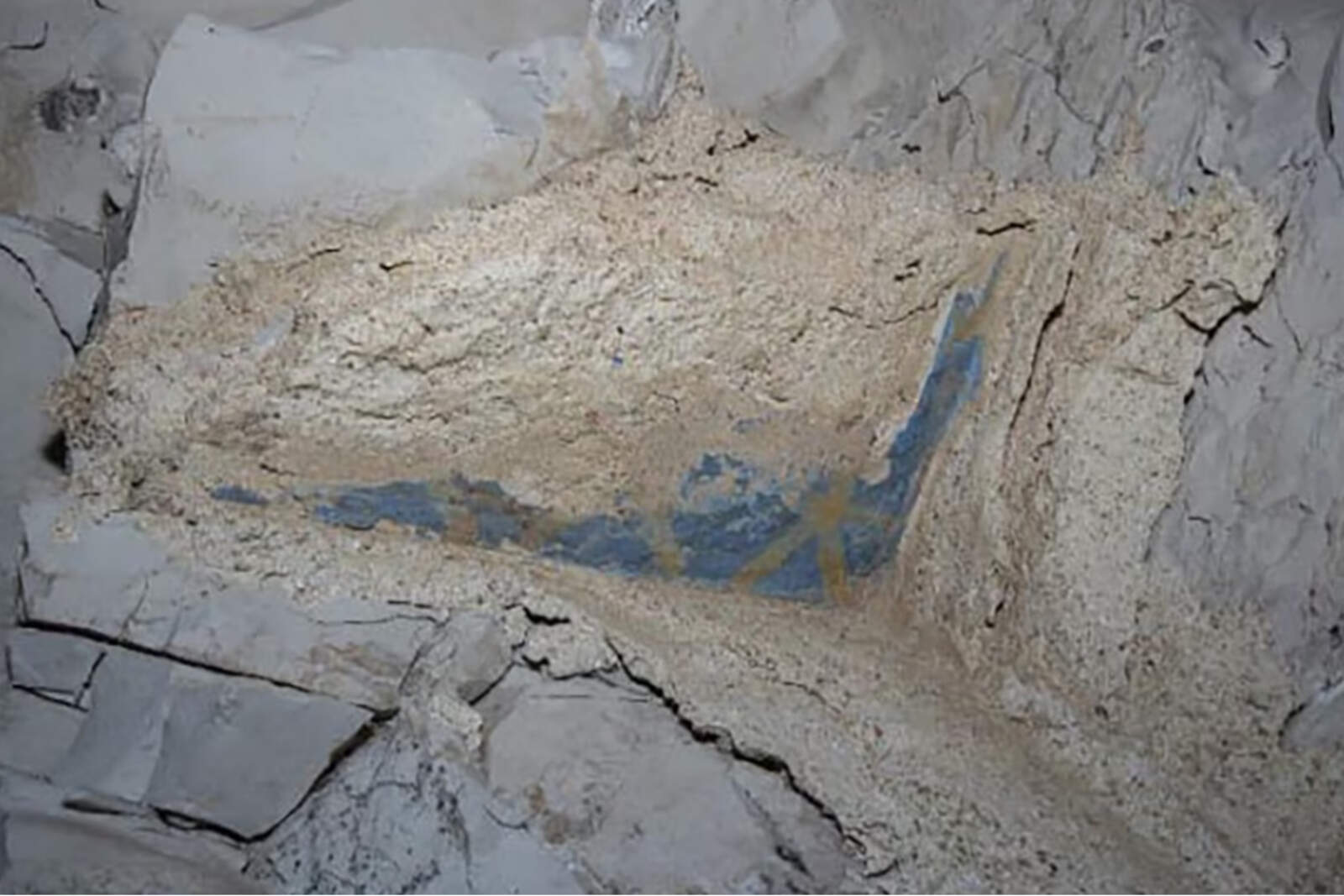
Additionally, archaeologists believe the tomb was looted in antiquity, leading to the transfer of Thutmose II's mummy to Deir el-Bahari. Among the recovered fragments were remains of inscriptions with golden stars and passages from the Book of Amduat, a sacred text describing the journey of the god Ra through the Afterlife.
An unprecedented discovery in Egyptian archaeology
Dr. Mohamed Abdel-Badii, head of the Egyptian Archaeological Sector, described this discovery as one of the most important in recent years.
Among the recovered objects are:
Original funerary furniture of Thutmose II, the first of its kind to be found.
Decorative fragments with inscriptions and religious symbols.
Unpublished references to the funerary practices of the period.
Researchers continue to explore the tomb in search of new findings and hope to locate the final destination of the funerary objects and the pharaoh's mummy.
Meanwhile, Thutmose II's mummy remains on display at the National Museum of Egyptian Civilization, where it stands as a testament to the history of Ancient Egypt.