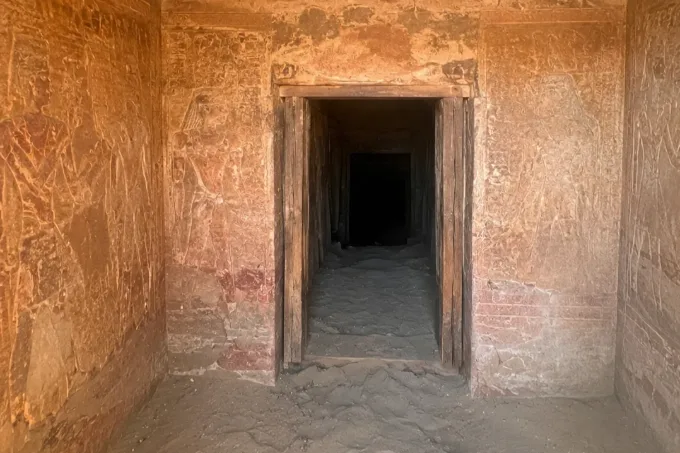

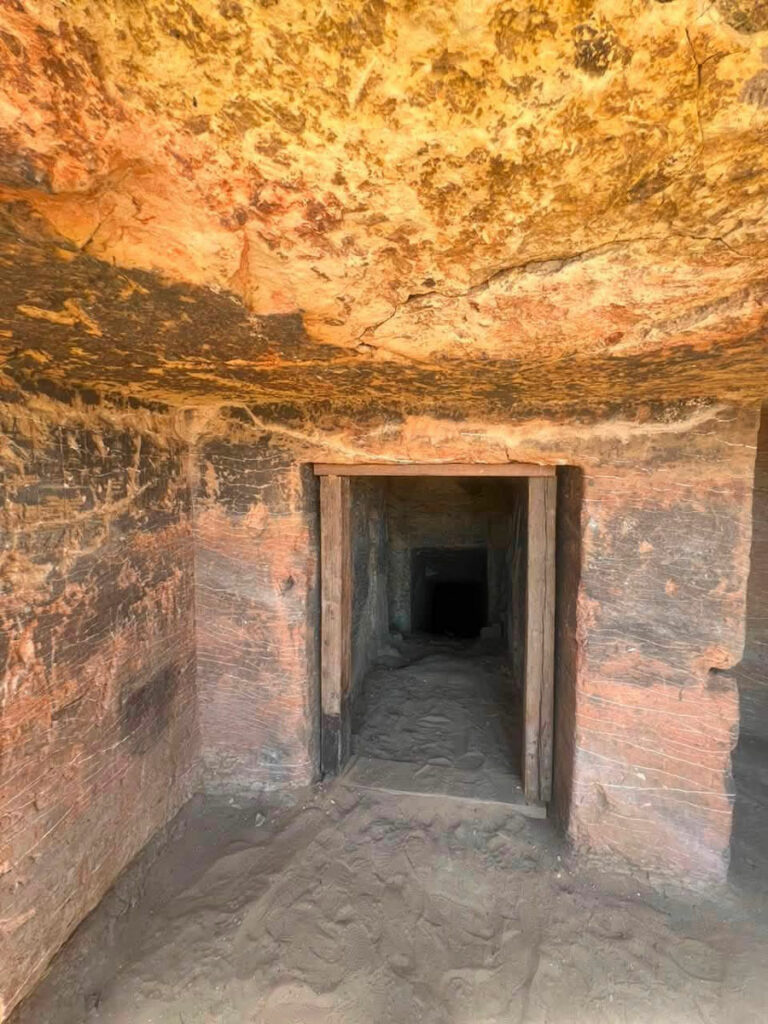
In the sands of Saqqara, near Cairo, a team of Egyptian archaeologists discovered three rock-cut tombs dating from the New Kingdom period, approximately 1550 to 1070 BC. The finding, announced by the director of the Saqqara archaeological site, Amr El-Tayeb, sheds new light on the administrative and military elite of that golden age of Egyptian civilization.
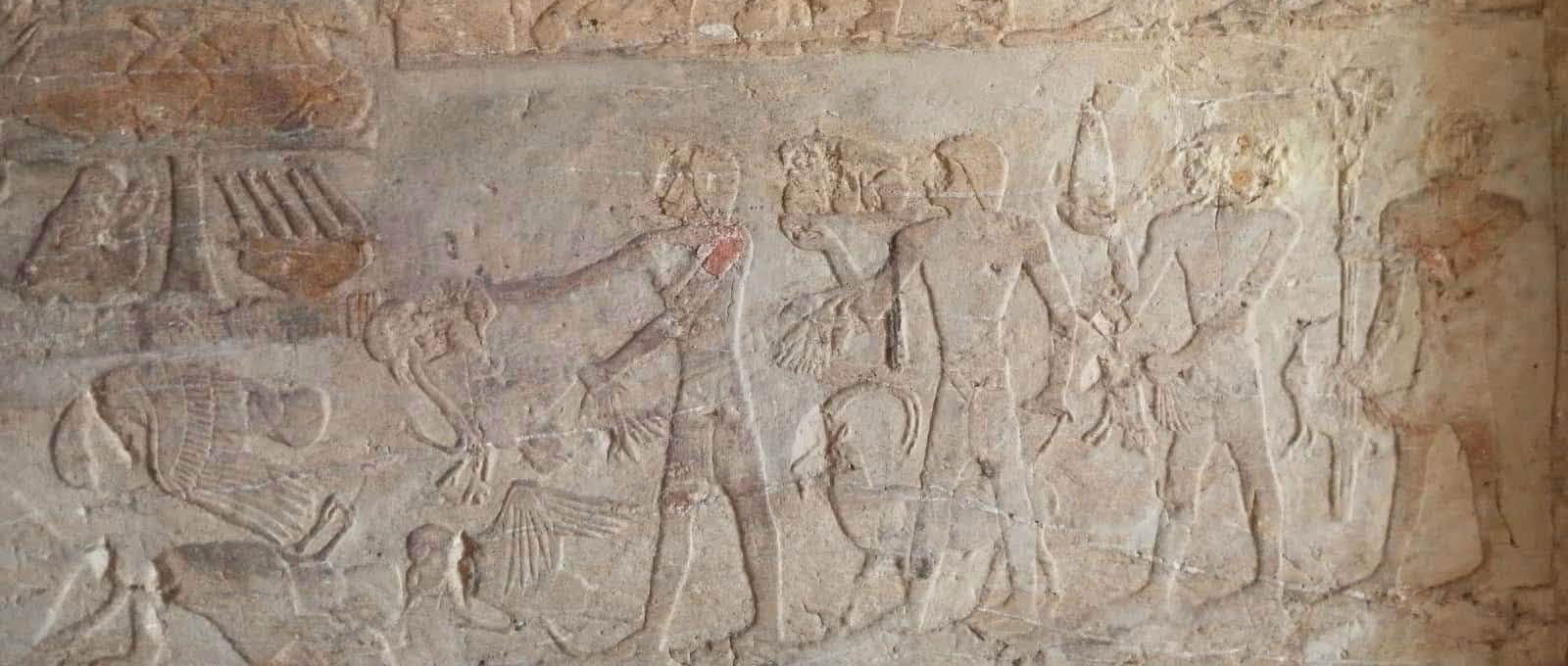
The first tomb belongs to an official named Mentuhotep, who is depicted alongside his mother Eihotep in the wall reliefs. The scenes include bearers of offerings and hunting activities, typical of the funerary iconography of the time. The inscriptions describe him with titles such as Crown Prince, Mayor, Royal Seal Bearer, and "He Who Pleases the Heart of the Ruler," in addition to other administrative and military positions.
In this tomb, there remains an unexcavated burial shaft that could hold more information about Mentuhotep's life and lineage. These discoveries allow for a more precise reconstruction of the power network in ancient Egypt.
 Details of the other tombs
The second tomb belongs to Paremwia, also known as Samut, who held the position of Grand Merchant of the Estate of Ptah. The inscriptions mention his wife Tuwi, Lady of the House; his mother Atibyu, singer of Amun; and his four children. This family information enriches the social panorama of the time.
The third tomb, in worse condition, belonged to Nehesy, Supervisor of the House, and his wife Neferptah. Its walls record the return of a military commander from northern Syria, a detail that holds special historical relevance.
According to Mohamed Abdel Badie of the Supreme Council of Antiquities, the inscription confirms the dating of the New Kingdom and provides fresh evidence of Egypt's military and diplomatic ties with the Near East.
 Importance of the historical context
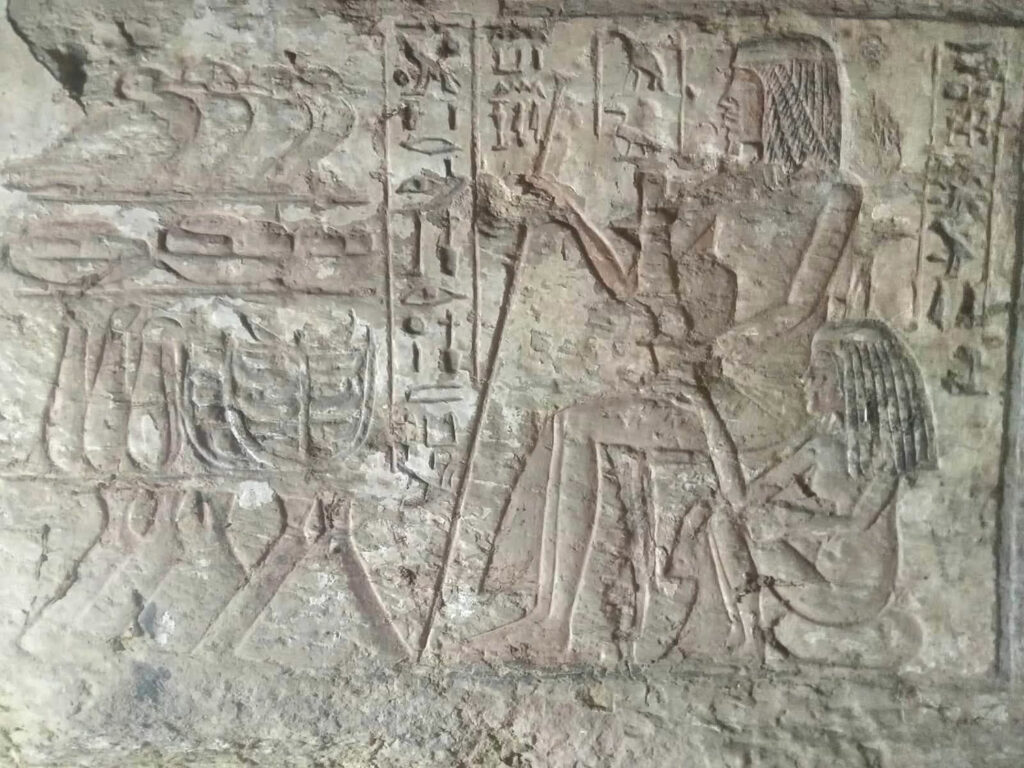 Future investigations in the unexcavated shaft of Mentuhotep's tomb could reveal more objects or inscriptions that deepen the knowledge about this official. Meanwhile, the team continues to work on documenting and preserving the reliefs so that they can be studied and eventually exhibited.