
They discover a large ancient cemetery in northern Egypt

They discover a large ancient cemetery in northern Egypt

The find at Tell Atrib Abu Bello includes dozens of tombs from the Late Period and the Ptolemaic era, with gold amulets and Isis figurines

Share:

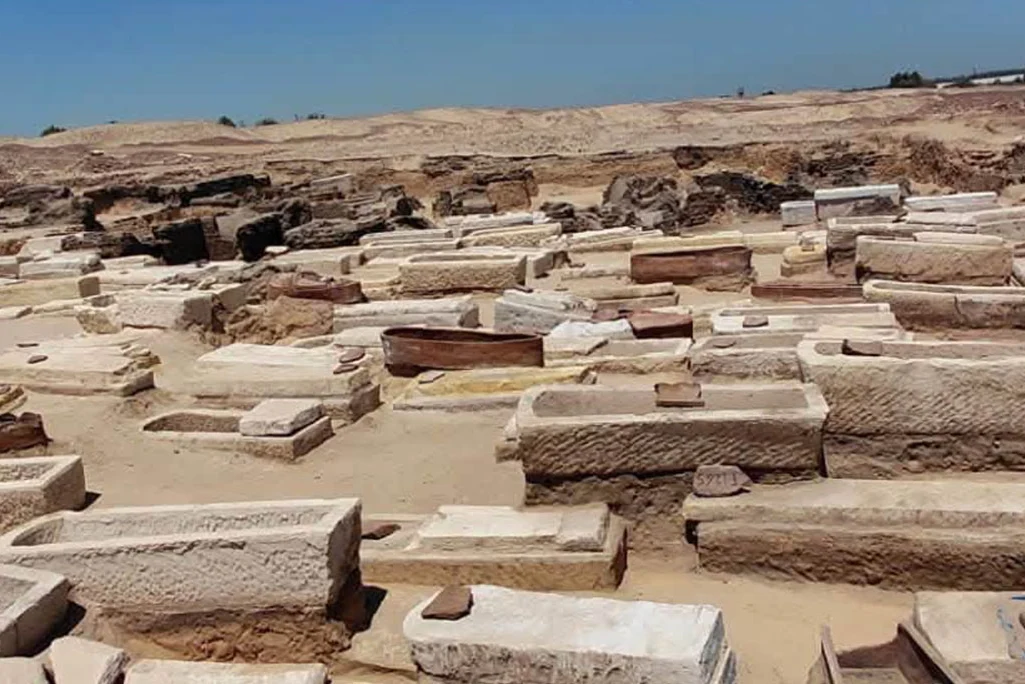
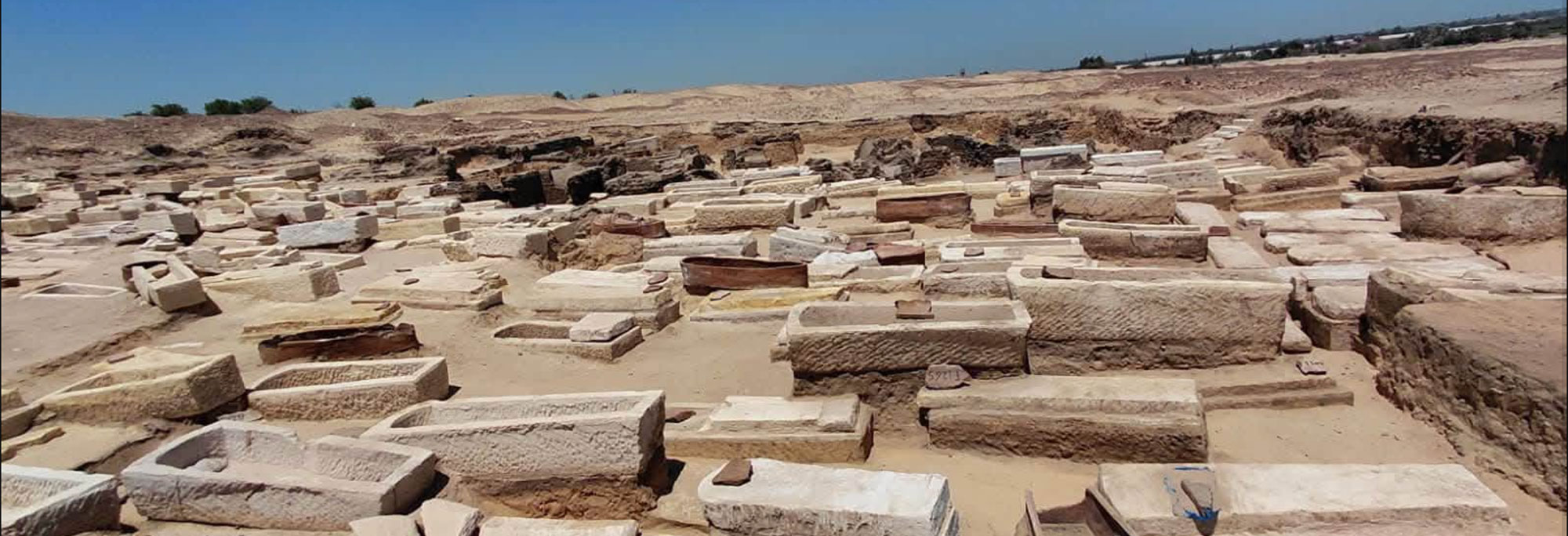
A team of archaeologists announced the discovery of a large cemetery within the ancient city of Teranothis, at the archaeological site of Tell Atrib Abu Bello, located in the Menufia governorate in northern Egypt. The city was near one of the entrances to Wadi El-Natrun, an area known since ancient times as a source of natron, an essential material in mummification rituals.

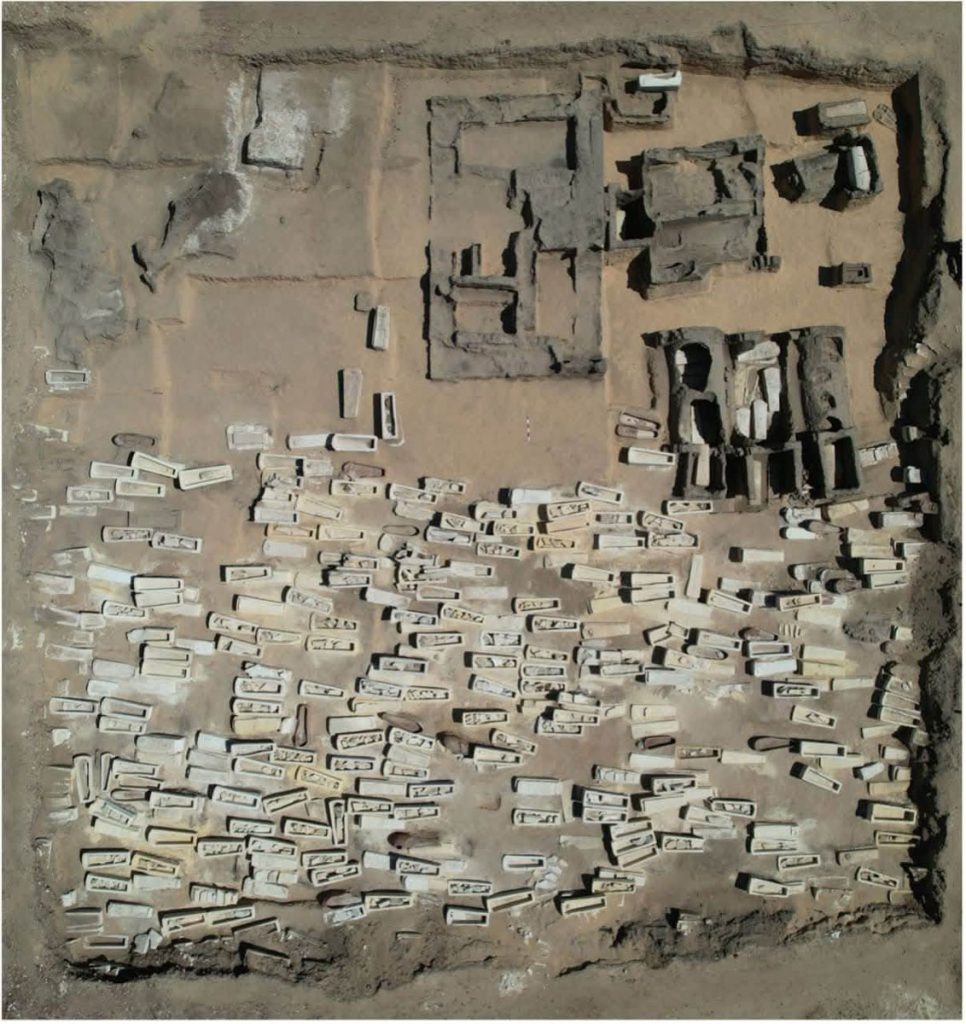
The graves found date back to the Late Period, between 712 and 332 BC, and to the Ptolemaic era, which extended from 304 to 30 BC. The remains include stone coffins, ceramics, and wood, as well as vaulted structures built with mud bricks.

As explained by Hisham el-Leithy from the Supreme Council of Antiquities of Egypt, “the discovery is the first of its kind at the site in terms of the large number of graves and coffins found in an open burial courtyard.” Many of these tombs had been looted in antiquity, although they still retained significant traces.
They discover a large ancient cemetery in northern Egypt

The analysis of the coffins revealed remains of embalming materials and resins, along with painted cartonnage and plaster. These elements confirm the funerary practices of the time and allow for the reconstruction of part of the rituals that took place in the area.

Recovered Objects and Their Significance

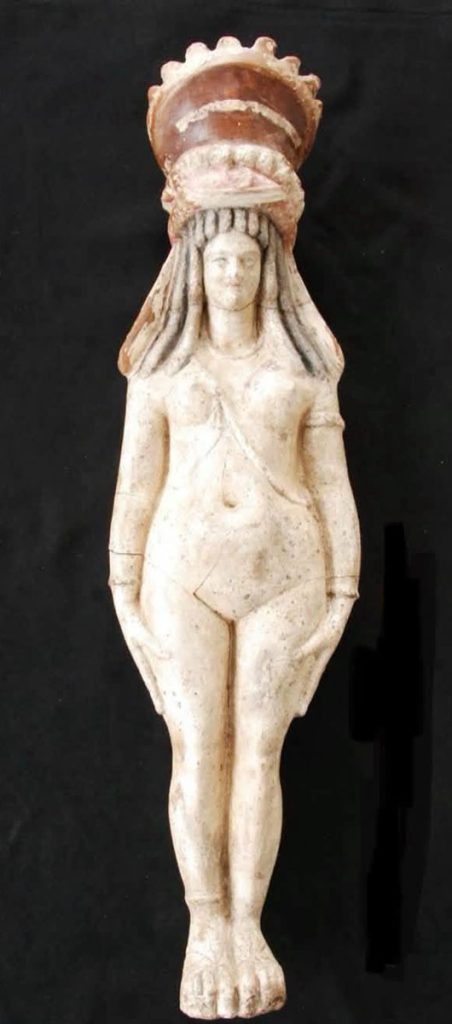
Among the recovered objects are gold tongue amulets, an earring, a gold necklace pendant, sheets of the same metal, scarabs, ushabti figurines made of faience, small sphinxes, statuettes of the falcon god Horus, two burials of falcons, and terracotta figures of the goddess Isis.

These findings provide direct insight into the religious beliefs and offering practices in Teranothis over the centuries. The presence of gold amulets in the mouths of the deceased, for example, is linked to the idea that the dead could speak in the afterlife, a custom documented at other Ptolemaic sites.
They discover a large ancient cemetery in northern Egypt

The proximity to Wadi El-Natrun reinforces the strategic value of the area. The natron extracted there was essential for mummification, which explains the density of burials and the variety of funerary containers found in the open courtyard.

Although ancient looting limited the number of intact human remains, the materials associated with the coffins and offerings allow specialists to reconstruct local funerary customs with greater accuracy. The collection stands out for the diversity of tomb types in a single space.

Importance of the Discovery for Egyptian Archaeology

El-Leithy emphasized that this is an unprecedented discovery due to the scale of the burial courtyard and the number of concentrated coffins. Until now, the site of Tell Atrib Abu Bello had not yielded such a large set of this type of burial in a single open sector.

They discover a large ancient cemetery in northern Egypt

Specialists continue the work of documenting and conserving the materials. The presence of figurines of the goddess Isis and Horus reinforces the connection to the worship of these deities, which was widespread during the Late Period and Ptolemaic domination.

The discovery adds new information about life and death in northern Egypt during a period of political and cultural transition. Teranothis thus emerges as a significant funerary center, linked both to embalming practices and to the access routes to natron sources.

Work at the site continues to progress. Each new piece of information will help better understand how these funerary spaces were organized and what role the city played within the network of settlements in the Delta and the western desert during those centuries.