Market sources estimated that the placement could be realized with a yield close to 7.5% or 7.8%. As a reference, investors are currently observing bonds issued by the City of Buenos Aires, which operate with rates between 6.77% and 7.34%.





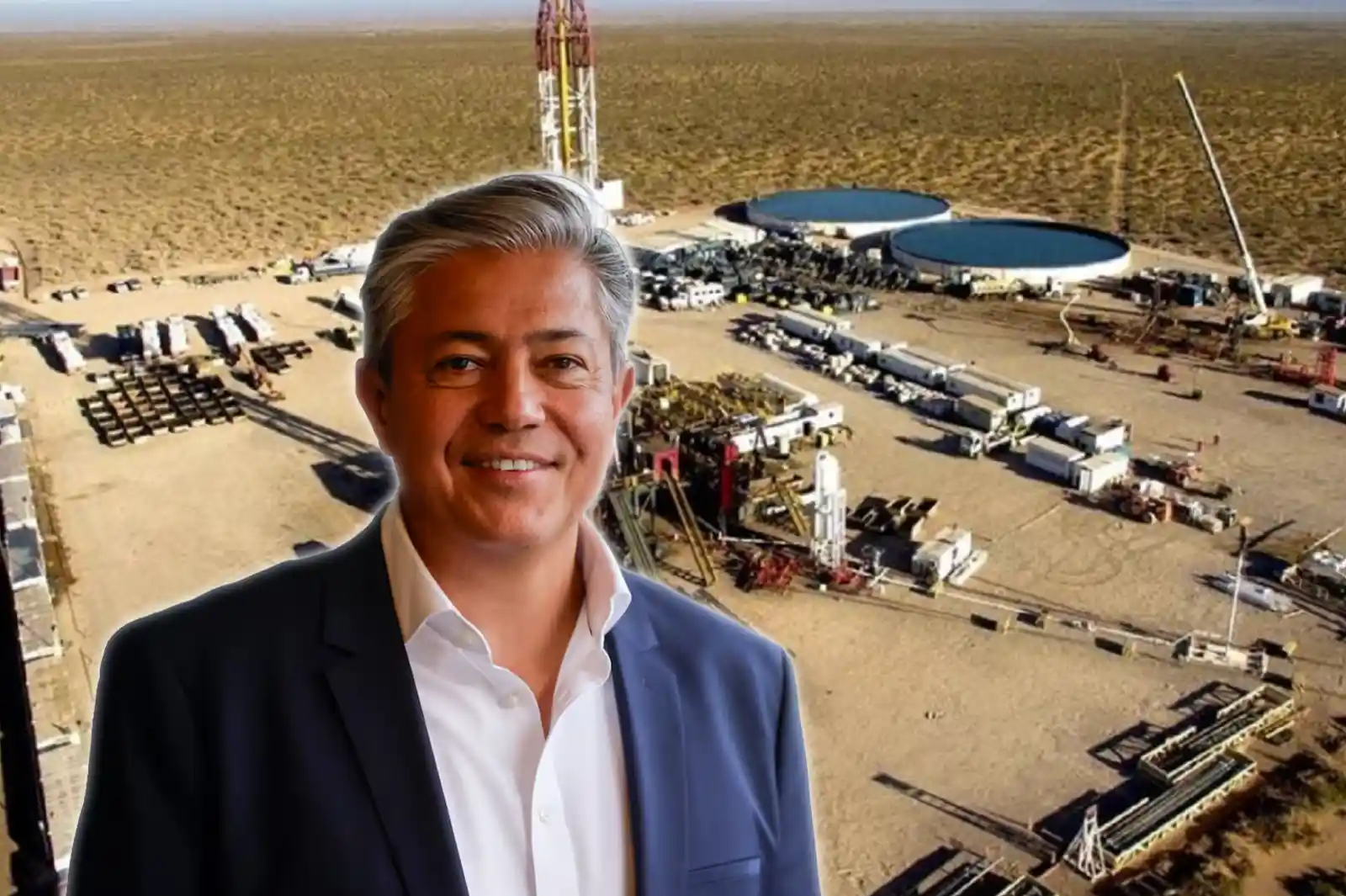

70% of the funds obtained will be allocated to public works and the rest may be used to meet due obligations
Market sources estimated that the placement could be realized with a yield close to 7.5% or 7.8%. As a reference, investors are currently observing bonds issued by the City of Buenos Aires, which operate with rates between 6.77% and 7.34%.





The province's financial improvement was also recently recognized by the rating agency Fitch, which upgraded the long-term debt rating of Neuquén in foreign and local currency from “CCC-” to “B-” in June. The agency highlighted a reduction in refinancing risk, fiscal balance, and growth in own resources.
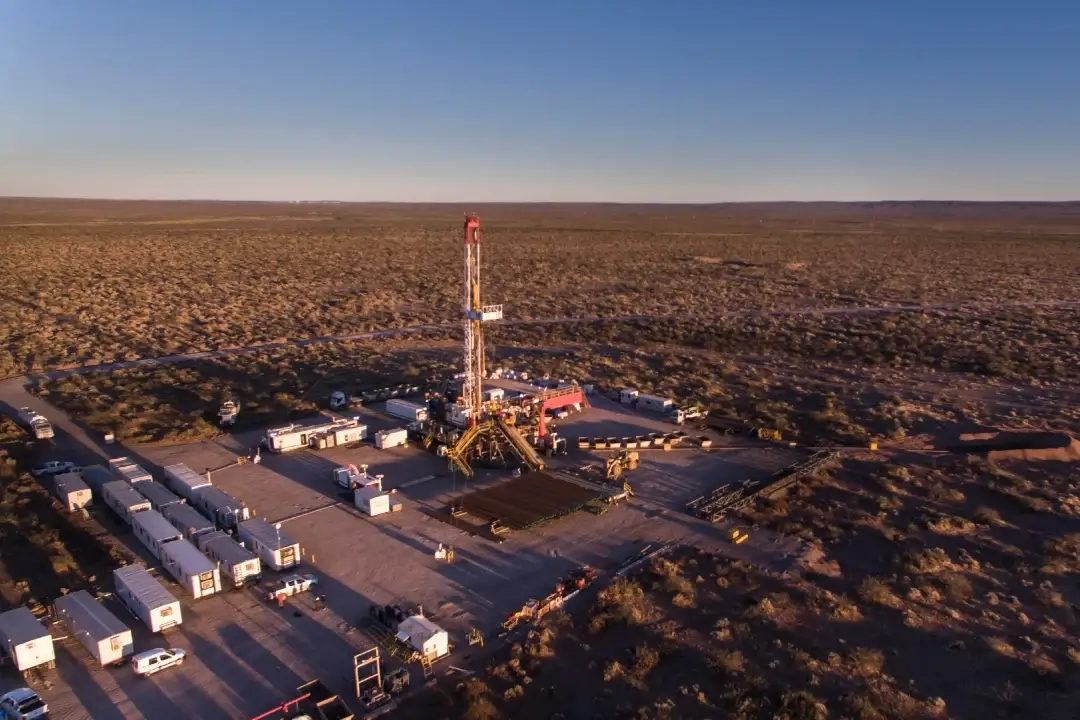
The provincial legislature had authorized in 2024 an issuance of up to $500 million, but the tool will only be used now. According to the established rules, 70% of the funds raised must be allocated to public works, while the remaining 30% can be kept as a reserve to meet debt commitments.
The operation occurs amid a recovery of Argentina's access to international financing. Since the last elections, placements by companies and provinces have reached approximately $17.4 billion, with strong participation from companies linked to the energy sector.
Neuquén is preparing to return to the international capital markets for the first time since 2017, backed by the strong growth of revenues generated by Vaca Muerta and by an improvement in investors' perception of the province's financial capacity.
The Neuquén government will begin a tour in New York with the aim of raising up to $500 million through the issuance of a bond under U.S. legislation. The bond would have a maturity of between five and seven years, while the sought interest rate would be in the range of 7% to 8%.
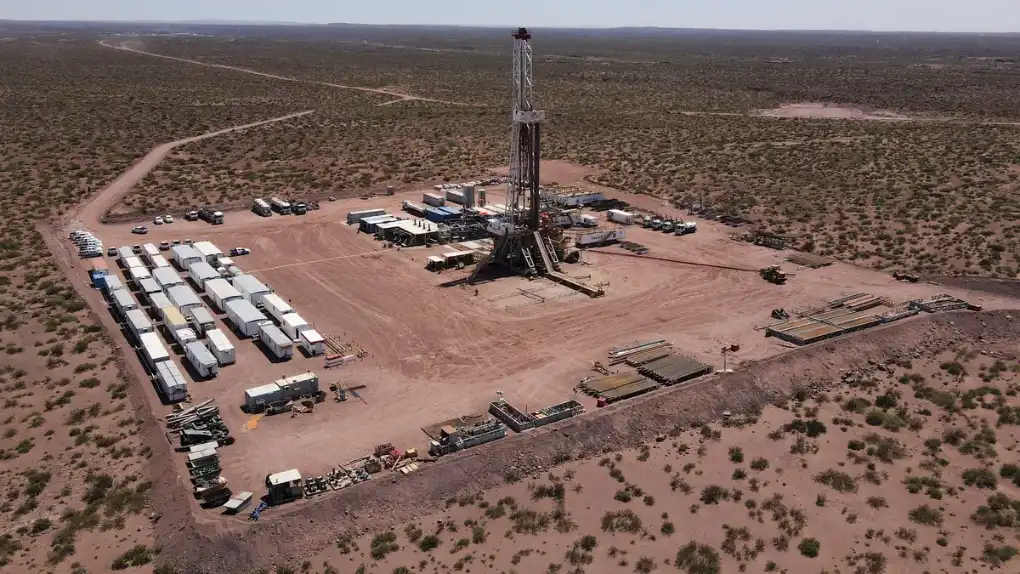
The operation represents one of the most significant provincial financial moves in recent years and will be primarily supported by the expansion of hydrocarbon activity. Revenues derived from oil and gas royalties have strengthened public accounts and reduced doubts about Neuquén's ability to pay.
The bond pricing process will take place on Thursday. The structure would include annual capital payments in 2032, 2033, and 2034, while interest would be paid semiannually. Unlike previous issuances, the bonds would not have a direct guarantee on the royalties.