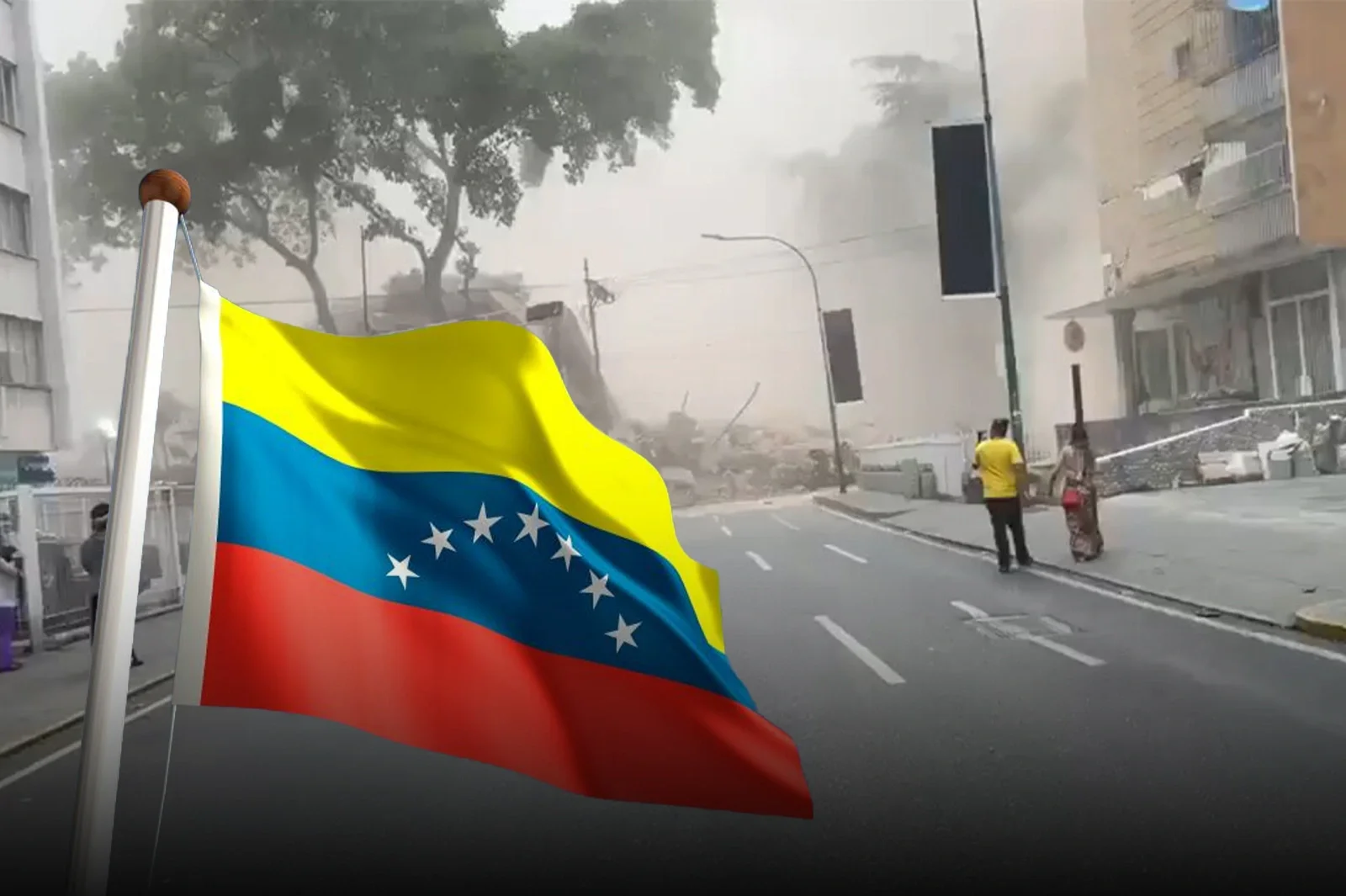

A 7.1 earthquake shook Venezuela and triggered a tsunami alert in the Caribbean

A 7.1 earthquake shook Venezuela and triggered a tsunami alert in the Caribbean

The earthquake was felt in Caracas and several regions. Reports of damage, evacuations, and power outages are coming in

Share:

A strong earthquake of magnitude 7.1 shook Venezuela this Wednesday, causing scenes of panic in Caracas and other regions of the country, while the U.S. Tsunami Warning System issued alerts for areas in the Caribbean, including Aruba, Curacao, and Bonaire.

According to preliminary reports from the U.S. Geological Survey, the quake had its epicenter near Morón, in the Carabobo state, an area located along the north-central Venezuelan coast. The earthquake was recorded at 19:04, Argentina time, with an estimated depth of between 10 and 13 kilometers, which contributed to it being felt strongly at the surface.

The tremor was intensely felt in Caracas, where residents evacuated buildings, businesses, and homes due to the prolonged movement of the structures. In various neighborhoods of the capital, damage was reported in apartments, cracks, fallen walls, and columns of dust. Power outages were also reported in some areas, according to initial testimonies shared by local and international media.

Venezuelan authorities had not yet confirmed a definitive toll of victims, while evaluations of material damage continued. At the same time, several aftershocks were reported following the main event, keeping the population on alert and forcing many residents to stay outside their homes for safety.


The earthquake was also felt in several Venezuelan states, including Aragua, Falcón, Anzoátegui, Lara, Táchira, Sucre, Miranda, Guárico, Barinas, and Portuguesa. In Colombia, residents of border areas and other cities reported slight but noticeable movements, although no significant damage has been confirmed in that country so far.

The tsunami alert raised regional concern in countries such as Puerto Rico, the Virgin Islands, and Caribbean areas close to Venezuela. The possibility of dangerous waves in Aruba, Curacao, and Bonaire was also mentioned, prompting authorities and specialized agencies to continue monitoring the evolution of the phenomenon.

Venezuela is located in a zone of high seismic activity due to the interaction between the Caribbean and South American plates. This geological condition explains the frequency of earthquakes in the northern part of the country, although events of this magnitude are not common.

The most significant recent precedent occurred in August 2018, when a magnitude 7.3 earthquake off the coast of Sucre was felt across much of Venezuelan territory and in several neighboring countries. Wednesday's episode once again exposes the structural vulnerability of a country battered by years of deterioration in infrastructure and basic services under Chavismo