Peru celebrates today a key election that will define its political and economic future in a context of institutional crisis, insecurity, and wear of the political system.
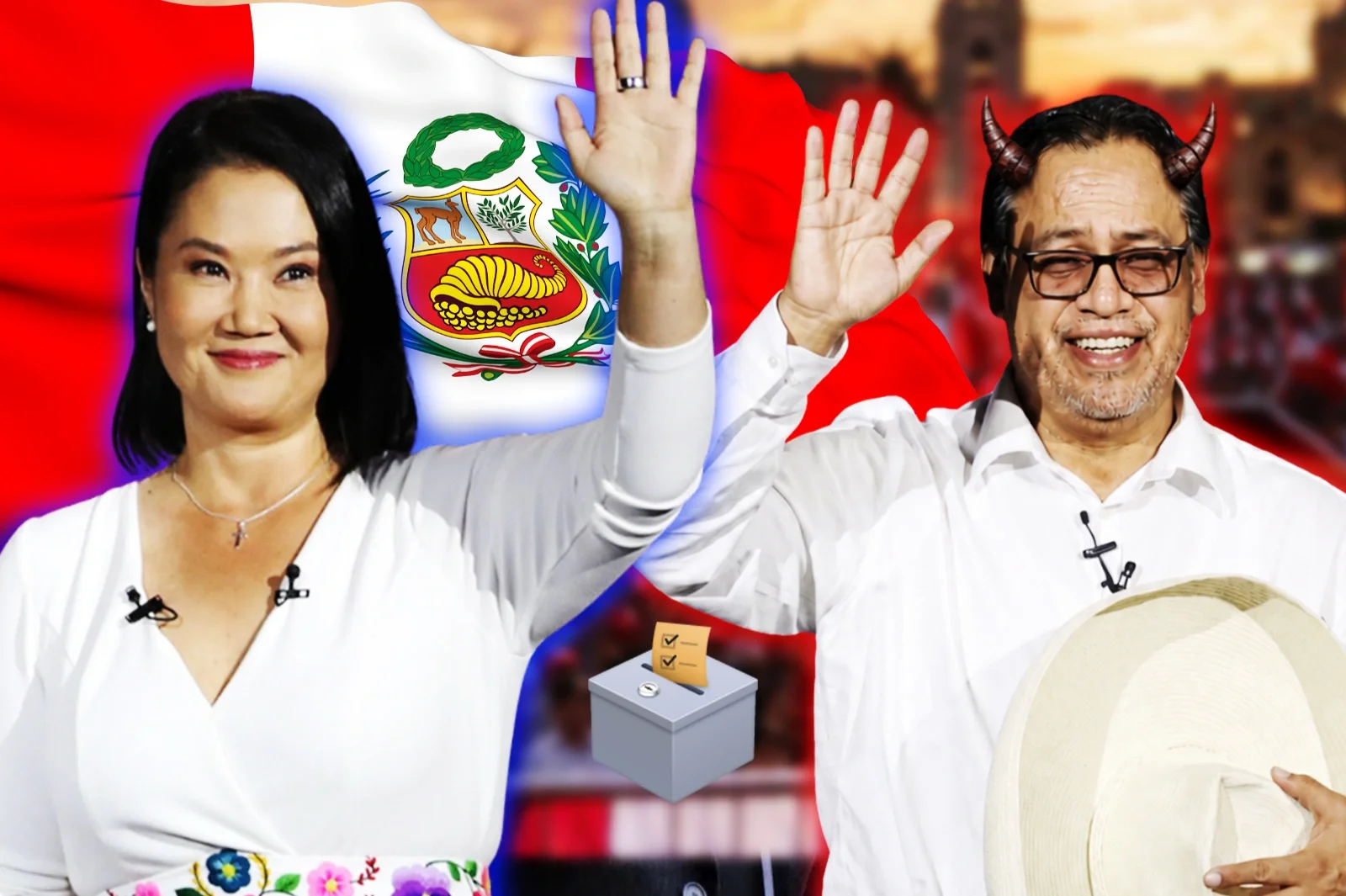
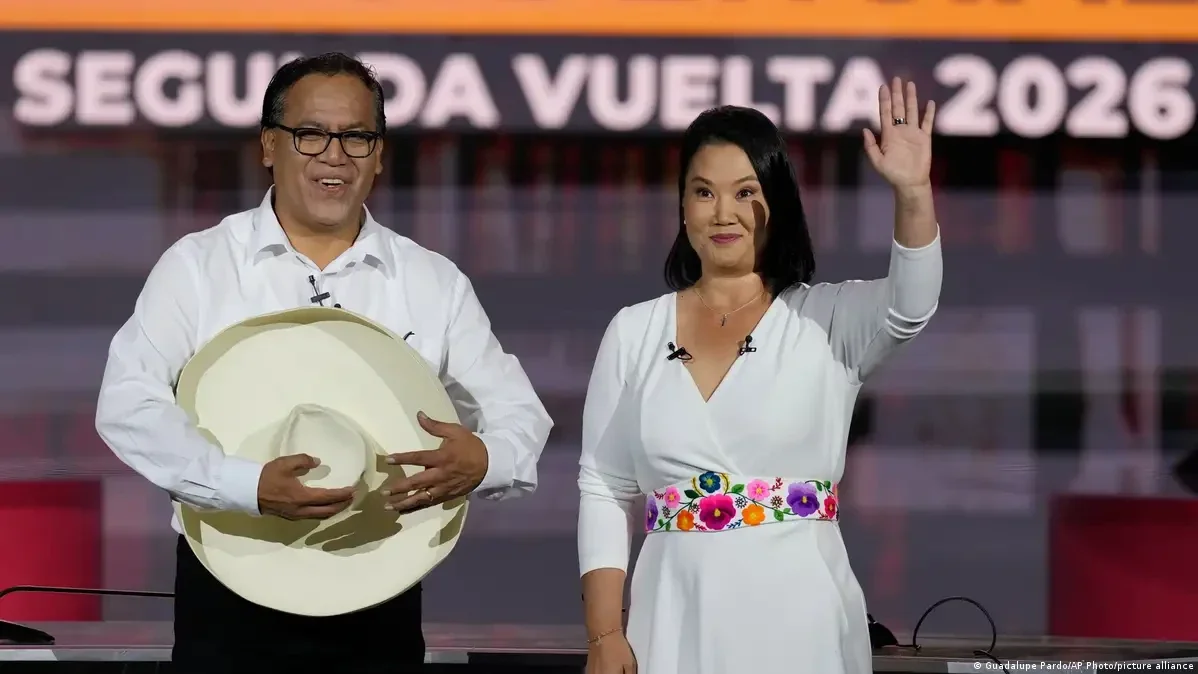
The runoff pits the right-wing Keiko Fujimori against the dangerous communist Roberto Sánchez, in a dispute that exposes two completely opposing visions of the country.
More than 27 million Peruvians head to the polls on a day marked by polarization. On one hand, Fujimori proposes a model based on order, economic stability, reduction of the State, and the promotion of private investment, along with a firm policy against insecurity.
President Donald Trump stated that a peace agreement in the Middle East will be reached soon, although he acknowledged some points of friction such as the situation in Lebanon
Her platform aims to restore predictability and strengthen growth in a country battered by years of instability and attempts at coups by the left, as was the case with former dictator Pedro Castillo.
In contrast, the communist Sánchez seeks to carry out a far-left project that wants a deep transformation of Peru's political and economic system, and to establish an indigenous dictatorship.
The candidate, who has ties to Chavismo and terrorist groups, will attempt to move towards an economic model with strong state intervention, promoting a new Constitution and a structural change of the current scheme.
His figure is directly related to Castillo's space and represents the continuity of a political line that proposes to turn Peru into a regional base for the left, with a direct impact on the economy, institutions, and security of the country.
Keiko Fujimori and Roberto Sánchez
This positioning raises concerns about the potential deterioration of economic, political, and democratic conditions.
In the first round, Keiko Fujimori of Fuerza Popular secured first place with 17% of the votes, while Roberto Sánchez of Juntos por el Perú obtained 12%, just ahead of the right-wing Rafael López Aliaga, after a month of delays in the publication of results and allegations of electoral fraud.
Today's election not only defines a president for the coming years but also faces two radically different models of the country. One oriented towards economic growth, freedom, and order, and the other proposing a deep turn towards communism, with catastrophic consequences. With an open scenario, the result will mark the future of Peru and its positioning in the region.