The Provincial Energy Company of Córdoba (EPEC) is carrying out a comprehensive program focused on incorporating renewable generation and strengthening regional transmission networks. The plan includes four solar parks under construction, biogas projects, low-power mini hydro plants, and the extension of high-voltage lines. This strategy aims to stabilize energy supply in strategic regional nodes and respond to the sustained growth of consumption in the province of Córdoba.
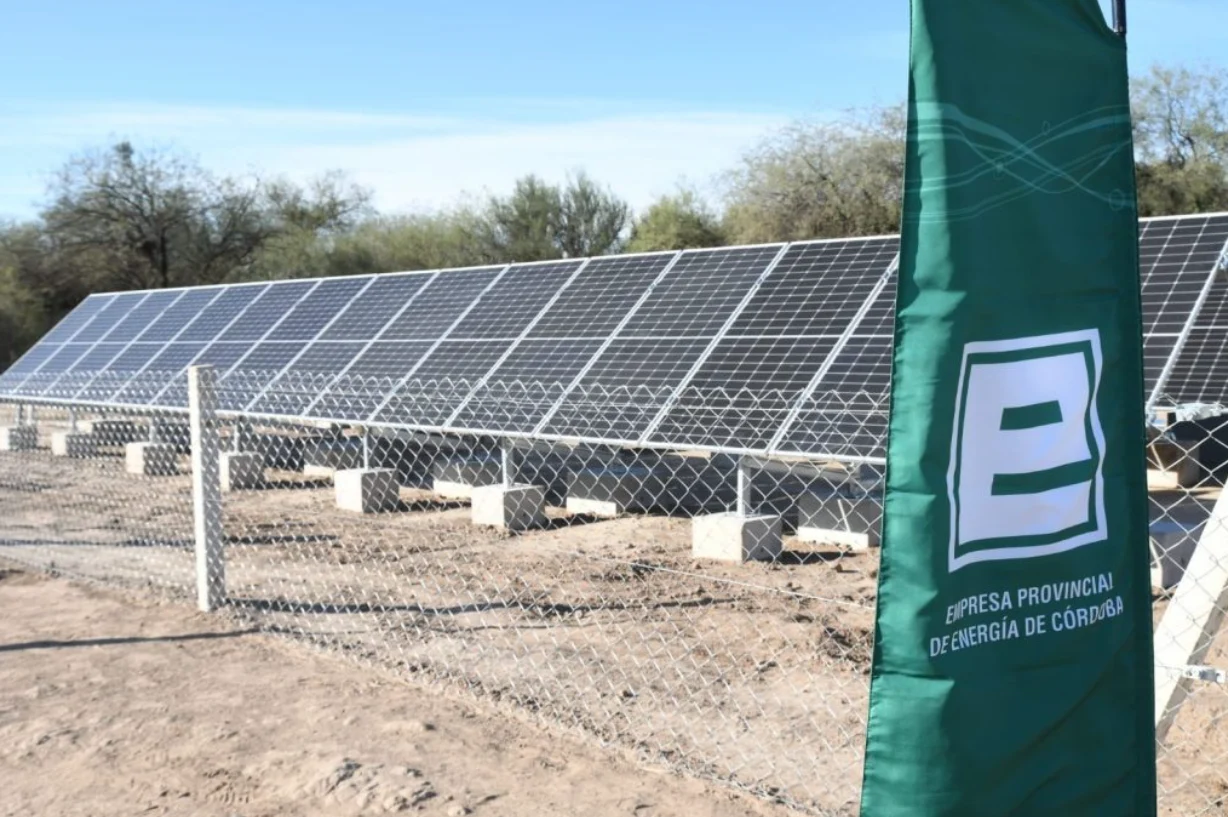
The recent inauguration of the Dinosaurio Solar Park in the town of Deán Funes added a strategic point of electrical injection for the entire northern system. The distribution network in that sector has a radial configuration from the provincial center that used to record voltage drops during peak summer times. The president of EPEC, Claudio Puértolas, explained: “The virtue of this solar park here in this area is that EPEC's networks come out from roughly the center of the province or the city of Córdoba towards the north.”
Distributed generation at this extreme point of the network helps balance voltage levels and optimize the quality of technical service delivered. Regarding the relevance of this project, Claudio Puértolas highlighted: “The fact that we now have not only an energy injection at the extreme helps improve voltage levels and service quality.” The official added about the stabilization of the system: “All this energy that will be produced here when there is sun, which in our cases are the moments of maximum demand in the summer, will compensate for the voltage drop that we could have and will strengthen the entire system.”
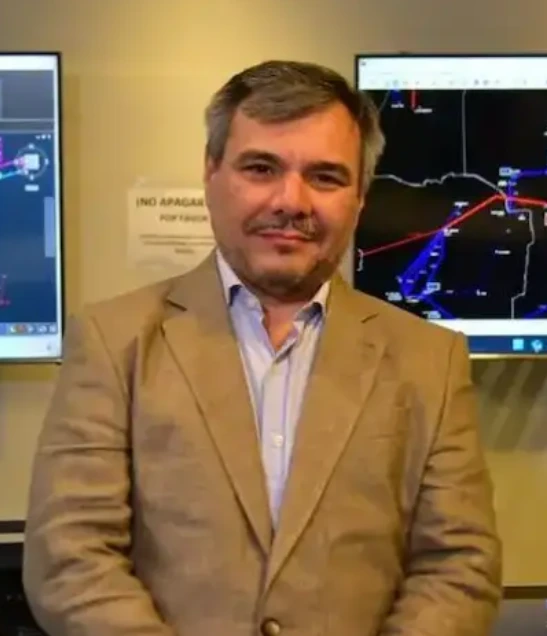
Claudio Puértolas, president of EPEC
Biogas projects and provincial solar installations
In commercial terms, the energy produced in Deán Funes will be allocated to various consumption points belonging to the private company Grupo Dinosaurio. Thus, the proposal combines renewable production with direct business consumption, leveraging the existing distribution infrastructure. Additionally, Claudio Puértolas confirmed: “We currently have four solar parks under construction: one here nearby, in San Francisco de Chañar; another in San Francisco, in the eastern part of the province; another in Villa María and another in Río Cuarto.”
The renewable generation strategy adds the production of electrical energy by utilizing biogas from effluents and organic waste. At the sanitary landfill site of Piedra Blanca, efforts are underway to capture methane emissions generated by decomposition to power generators. Regarding this, Claudio Puértolas detailed the procedure: “We capture the gas from the sanitary landfill that is produced, the methane emissions that are generated by the decomposition of organic waste, we capture it and process it, inject it into a generator, and generate electrical energy.”
A similar clean generation initiative is being developed at the wastewater treatment plant of Bajo Grande through the processing of sludge. The technical scheme involves using gases produced from treated sewage sludge in biodigesters to generate electrical energy on-site. Claudio Puértolas explained the operation at the facility, stating: “The sewage sludge from the Bajo Grande plant, which is degraded in a biodigester, we capture that, the gases, and generate electrical energy.”
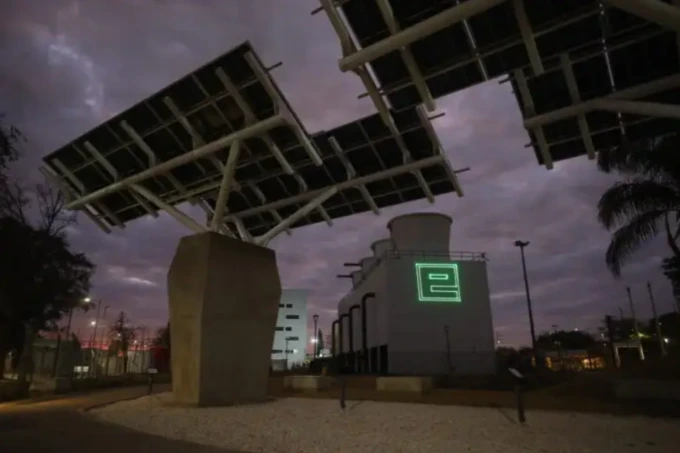
The EPEC plan includes four solar parks under construction
Hydroelectric plants, electrical lines, and project financing
The generation plan includes low-power mini hydro projects located in El Eje, Pichanas, La Viña, Bajo de Todos los Santos, Villa María, and San Marcos Sierras. In terms of transportation infrastructure, the public company is planning high-voltage works aimed at connecting and reinforcing various sectors of the provincial network. Detailing the electrical routes in the northern province, Claudio Puértolas specified: “We have a plan that comes from Olaeta and goes to La Falda over 132 km, another line that comes from La Falda to Cruz del Eje, also over 132 km.”
In parallel, the state company will initiate a public bidding process to construct a new transformer station from 132 to 13 kV in Cruz del Eje. This electrical infrastructure project will strengthen the supply capacity in Cruz del Eje, the town of Soto, and various communes in the southern department. Regarding the opening of this bidding process, Claudio Puértolas noted: “Next week we will be opening the bidding for a transformer station in Cruz del Eje from 132 to 13 to strengthen the entire system of Cruz del Eje and Soto and all of southern Cruz del Eje.”
To finance this global investment program, the public company is turning to the capital markets through financial instruments approved in assembly. Regarding the financing authorization, Claudio Puértolas confirmed: “We have a $300 million debt program approved by the assembly.” The first tranche consisted of the placement of two series totaling $40 million, keeping the door open for new issuances in the financial market.