A new wave of violence hits hard in southern Colombia, where in less than 48 hours there were at least 17 coordinated attacks, mainly in the departments of Cauca, Nariño and Valle del Cauca.
The authorities point to FARC dissidents under the command of Iván Mordisco as responsible.
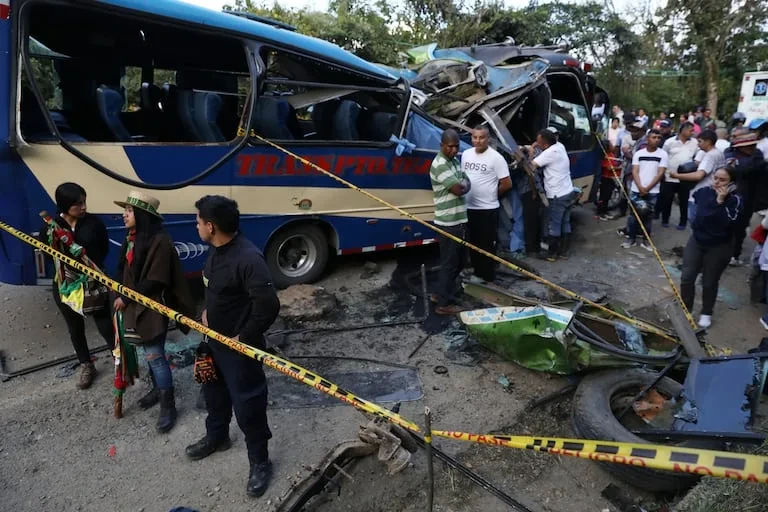
The most serious episode occurred on the Pan-American Highway, where an explosive attack on a transport vehicle left dozens of fatalities and injuries, in one of the most shocking attacks in recent months.
The Colombian transport vehicle affected by the attack
According to official reports, this offensive is part of a broader strategy of these armed groups to regain territorial control and strengthen illegal economies, especially in key areas for drug trafficking
.
The attacks were not limited to a single target. In different parts of the region, there were explosions, attacks on infrastructure, harassment of security forces and actions against the civilian population, evidencing a significant level of coordination and operational capacity on the part of
the dissidents.
The leader of these structures, Iván Mordisco, is one of the main leaders of the FARC dissidents who rejected the 2016 peace agreement and continued to operate as an armed group.
His organization maintains a presence in several regions of the country and is linked to activities such as drug trafficking, extortion and territorial control.
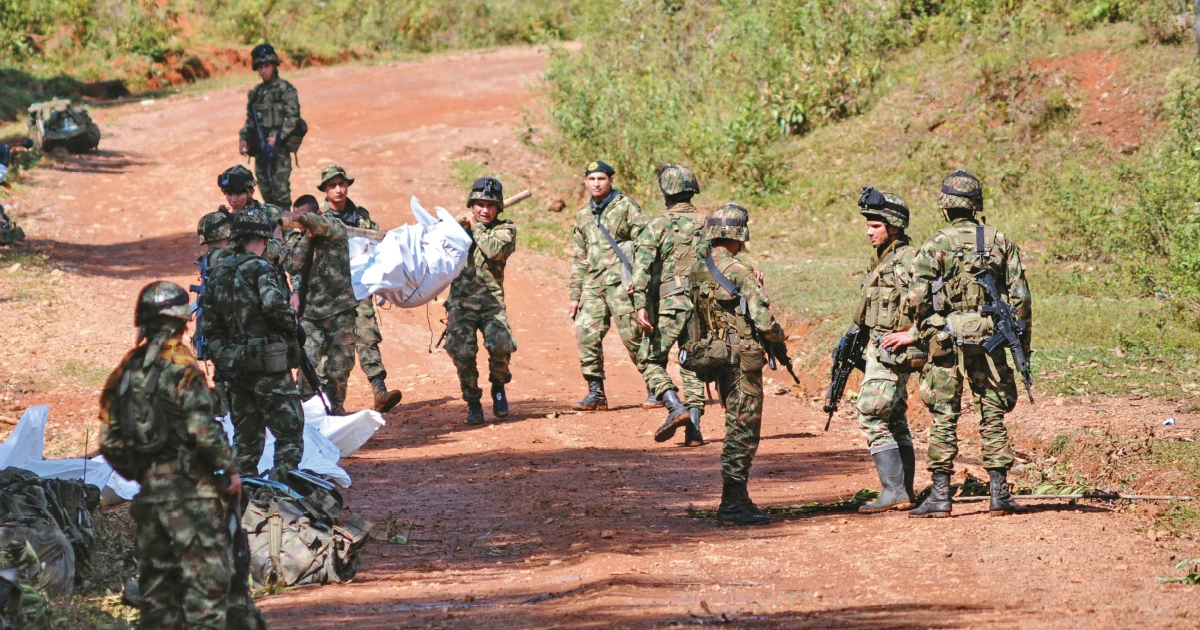
Colombian soldiers transporting deceased
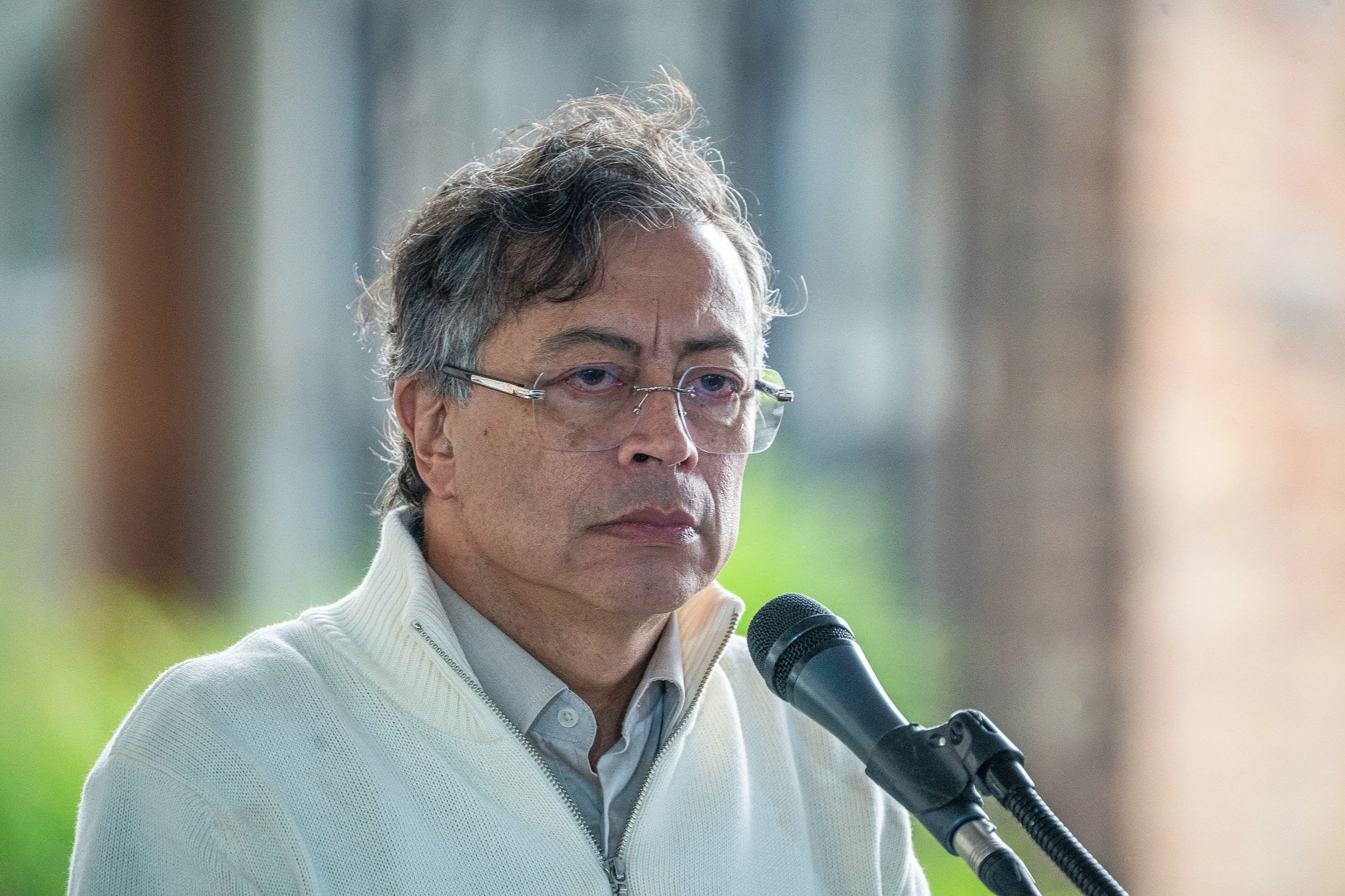
The situation generated strong reactions within Colombia. Local authorities declared days of mourning and demanded a stronger response from the State, while criticism of the Gustavo Petro government's security policy grows in a context where violence is once again escalating
.
At the international level, organizations such as the United Nations also expressed concern about the increase in violence and called for ensuring justice for victims.
This new outbreak of attacks reveals a complex scenario: despite attempts to negotiate with armed groups, the capacity of dissidents to carry out coordinated actions remains in force.
The escalation in the south of the country not only reflects a security crisis, but also the persistence of criminal structures that, years after the peace agreement, continue to challenge the Colombian State and generate a climate of instability in the region.